bluename
 spider plant Seed Propagation: Standard for Controlling Soil Covering Thickness
You've carefully collected those tiny, black seeds from your spider plant's delicate flower stalks, full of hope for new, free plants. Yet, weeks later, nothing sprouts. The most common culprit behind this silent disappointment isn't poor seed quality or bad light—it's a critical, often overlooked detail in the sowing process: the depth at which you bury them. Mastering the standard for controlling soil covering thickness is the single most decisive factor between a tray of thriving seedlings and a pot of barren soil. Too deep, and the fragile sprout exhausts its energy before reaching light; too shallow, and the seed dries out or fails to anchor properly. This guide cuts through the guesswork, providing the precise, actionable standards you need for successful propagation every time.
Why Seed Depth is Non-Negotiable for Spider Plants
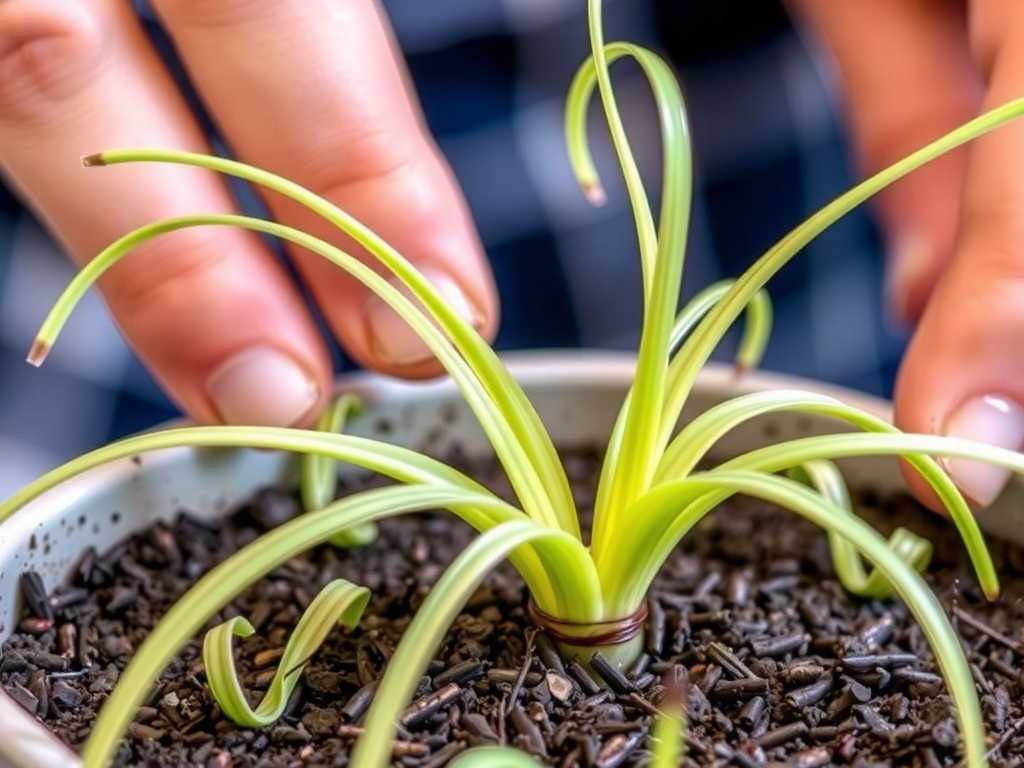
Spider plant seeds (Chlorophytum comosum) are biologically designed for surface-sowing in their native habitats, where they naturally fall onto loose, humus-rich forest floors. They possess limited endosperm—the internal food supply for the embryonic plant. According to horticultural research from institutions like the Royal Horticultural Society, seeds with minimal food reserves must be sown shallowly to ensure the nascent shoot can photosynthesize quickly. A covering that is too thick creates an insurmountable physical barrier, depleting the seed's energy reserves during elongation in darkness—a process called etiolation—resulting in a weak, non-viable seedling. Conversely, proper depth ensures optimal moisture contact, protection from elements, and a short, energy-efficient path to germination.
The Gold Standard: How Deep to Plant Spider Plant Seeds
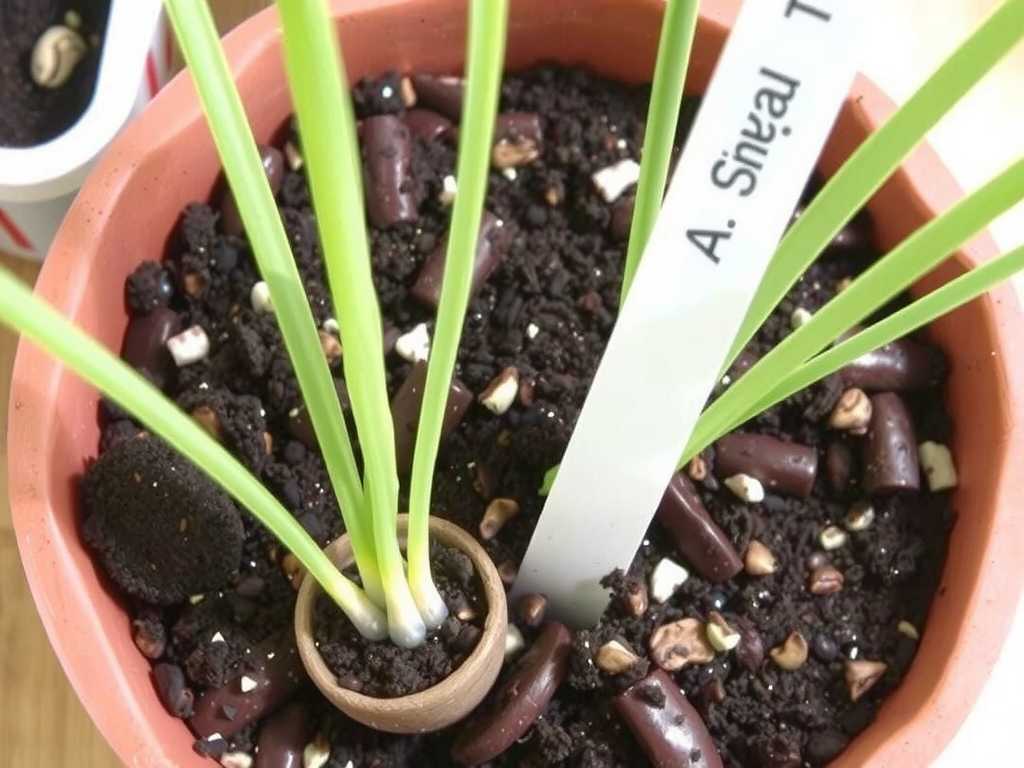
The universal standard, backed by decades of cultivation experience and botanical guidelines, is remarkably simple: cover spider plant seeds with a layer of soil or vermiculite equal to 1 to 1.5 times the seed's diameter.
- Visual Measurement: Spider plant seeds are small, roughly 1-2 mm in size. Therefore, the ideal covering thickness is a mere 2-3 millimeters—about the thickness of one or two dimes. This is often described as a "dusting" or "light sprinkle."
- Practical Technique: After scattering seeds on pre-moistened, well-draining seed-starting mix, use a fine sieve or simply pinch a small amount of dry mix between your fingers. Gently sift or sprinkle it over the seeds until they are just barely obscured from view. Do not pat down firmly; a gentle misting with water will settle the medium naturally.
Step-by-Step Implementation for Perfect Coverage
Achieving this precision requires a methodical approach. Follow these steps to institutionalize the correct soil covering standard in your practice.
1. Preparation of the Sowing Medium Begin with a sterile, soilless seed-starting mix. These mixes, often composed of peat, coir, and perlite, offer the perfect balance of moisture retention and drainage. Fill your tray or pot and moisten the mix thoroughly using a spray bottle or bottom-watering technique until it is evenly damp but not waterlogged. A level, firm surface prevents seeds from rolling into deep crevices.
2. Sowing and the Crucial Covering Step Distribute the seeds sparsely on the surface, spacing them about an inch apart. Now, for the critical act: take your dry, fine-grade seed-starting mix or horticultural vermiculite. Vermiculite is highly recommended by professional growers like those at Longwood Gardens for this purpose, as it is lightweight, sterile, and maintains perfect moisture levels around the seed. Apply your 2-3 mm "dusting" evenly across the entire surface.
3. Post-Sowing Care to Support the Standard Your correct depth work must be supported by proper aftercare. Immediately after covering, use a spray mister to gently moisten the top layer; this settles the medium without disturbing the seeds. Cover the tray with a clear plastic dome or place it inside a loosely sealed plastic bag to maintain 100% humidity—this eliminates the need for further watering that might displace the thin soil layer. Place the setup in a warm location (70-75°F or 21-24°C) with bright, indirect light. Bottom heat can accelerate germination.
Advanced Insights: Factors Interacting with Soil Depth
The standard isn't absolute; it interacts with other environmental variables. Understanding these ensures you can adapt while maintaining the core principle.
- Medium Texture: A heavy, clay-based soil will compact more than a fluffy mix, effectively creating a deeper barrier. Always use a light, aerated medium. As noted by plant propagation expert Dr. John Mason, "The medium's physical structure can negate perfect sowing depth if it impedes gaseous exchange."
- Watering Methodology: Overhead pouring is the enemy of shallow-sown seeds. It can wash away the covering, bury seeds deeper, or cause pooling. Bottom-watering or careful misting is non-negotiable.
- Light Exposure: Spider plant seeds require light to germinate, but the thin covering we prescribe does not block it. Ensure they receive bright, indirect light immediately after sowing. The plastic humidity dome will also diffuse and magnify this light.
Troubleshooting: Signs Your Soil Covering Was Incorrect
Diagnosing failures helps refine your technique. If seeds don't germinate:
- Suspected Too Deep: The seed may have rotted, or a sprout may have died underground. Gently excavate a seed after 3-4 weeks to check.
- Suspected Too Shallow: Seeds appear dried out, shriveled, or may have been dislodged. The radical (first root) might have emerged but then dried and died.
For future attempts, recalibrate to the 2-3 mm standard and double-check your humidity cover.
How long does it take for spider plant seeds to germinate? Under ideal conditions—warmth, consistent moisture, and correct sowing depth—you can expect to see the first green shoots emerge within 10 to 20 days. Patience is key; do not disturb the medium to check.
Can I propagate spider plants from seed instead of plantlets? Absolutely. While propagating from the stolon-borne plantlets (spiderettes) is faster and genetically identical, growing from seeds offers unique rewards. It allows for the cultivation of new genetic variations, is a highly educational process, and can produce a large number of plants at very low cost, making it ideal for those seeking to fill large spaces or share plants widely.
What is the biggest mistake after achieving the right sowing depth? The most common follow-up error is removing the humidity cover too soon. The emerging seedlings are extremely vulnerable to dry air. Keep the dome or bag in place until the majority of seedlings have true leaves (the second set of leaves), and then ventilate gradually over several days to acclimate them to lower humidity.
Mastering the standard for controlling soil covering thickness transforms spider plant seed propagation from a game of chance into a reliable science. By adhering to the 2-3 millimeter rule, supporting it with the right medium and watering discipline, and providing consistent warmth and humidity, you unlock the full potential of each tiny seed. This precise approach not only maximizes your germination rate but also fosters stronger, more vigorous seedlings from their very first moments. Embrace this standard, and watch your patience and precision be rewarded with a flourishing generation of new spider plants.