bluename
 spider plant Cutting Propagation: Choosing Between Vermiculite and Perlite
You've carefully snipped a healthy spider plantlet, ready to grow a new plant. But now you're stuck. Should you root it in water, soil, or something else? For many gardeners, the "something else" – specifically using a soilless medium like vermiculite or perlite – is the best path to robust roots. Yet, choosing between these two can be confusing. This guide cuts through the uncertainty, providing a clear, step-by-step comparison to help you select the perfect medium for propagating your spider plant cuttings, ensuring a higher success rate and healthier plants.
Understanding Propagation Mediums
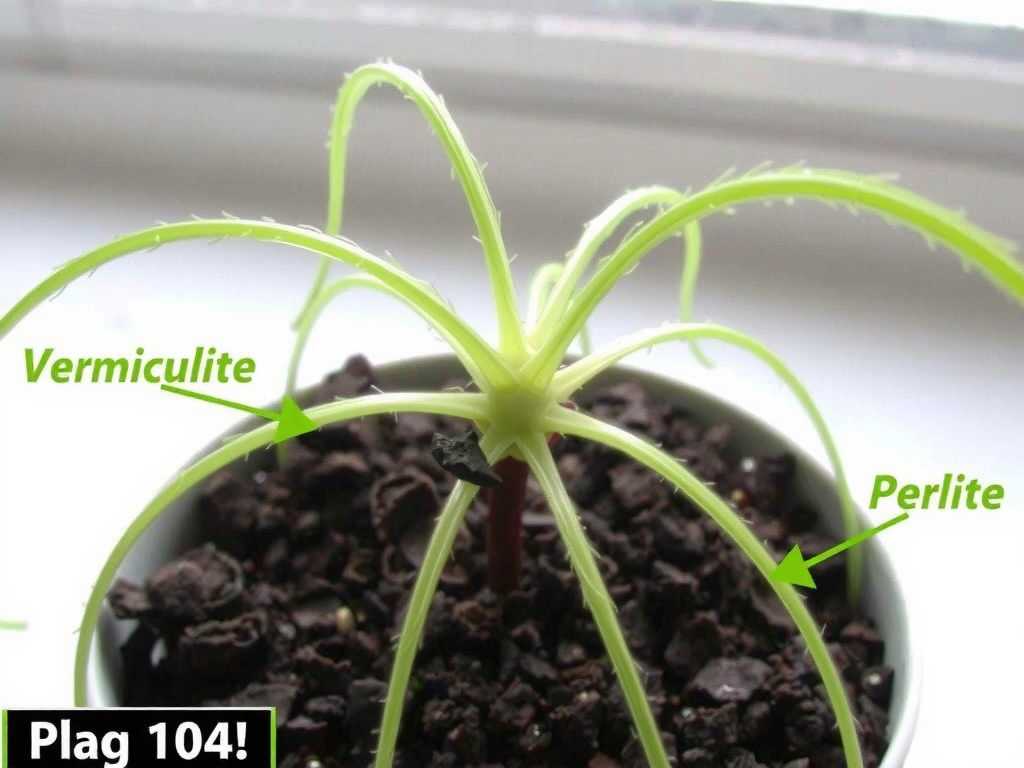
The goal of any propagation medium is to support the cutting while it develops roots. It needs to provide moisture, oxygen, and physical stability. Soil can sometimes be too dense, leading to rot, while water lacks oxygen. This is where sterile, soilless amendments like vermiculite and perlite excel for spider plant propagation.
What is Vermiculite?
Vermiculite is a natural mineral that undergoes a heating process, causing it to expand into lightweight, absorbent flakes. Its structure allows it to hold a significant amount of water and nutrients, which it then slowly releases to the plant's developing root system.
Key Properties for Propagation:
- High Water Retention: Acts like a sponge, keeping the root zone consistently moist.
- Nutrient Holding: Can hold onto and make nutrients available to young roots.
- Soft Structure: Gentle on delicate new root tissues.
What is Perlite?
Perlite is a form of volcanic glass that is superheated until it "pops" like popcorn, creating white, porous, and incredibly lightweight particles. It is primarily valued for its aeration and drainage capabilities.
Key Properties for Propagation:
- Excellent Drainage and Aeration: Creates air pockets in the medium, preventing soil compaction and ensuring roots get plenty of oxygen.
- Sterility: Resists soil-borne diseases and fungi.
- Neutral pH: Doesn't alter the acidity or alkalinity of your rooting environment.
Direct Comparison: Vermiculite vs. Perlite for Spider Plant Cuttings
Choosing the right medium depends on understanding your specific environment and the needs of a spider plant cutting.
Moisture Management
This is the most critical difference. Spider plant cuttings need consistent moisture to initiate roots but will rot if kept soggy.
- Vermiculite: Superior for moisture retention. It creates a consistently damp environment, reducing the frequency of watering. This is ideal for dry climates, warm rooms, or if you tend to underwater. However, it requires careful monitoring to avoid waterlogging.
- Perlite: Superior for drainage and aeration. It prevents water from pooling around the stem, drastically reducing the risk of rot. This makes it the safer choice for humid environments, for growers who tend to overwater, or for cuttings that are particularly susceptible to stem rot. You will need to water more frequently to prevent the roots from drying out.
Root Development and Health
The medium directly influences the type and health of the root system.
- Vermiculite: Encourages fine, fibrous root growth as roots seek out the moisture held within its particles. The consistent moisture can lead to faster initial root development in ideal conditions.
- Perlite: Promotes stronger, thicker roots that are more resistant to rot. The abundant oxygen encourages robust growth and helps build a root system that transitions more easily to standard potting soil later. Horticulturist Dr. Linda Chalker-Scott notes, "Aeration is non-negotiable for root health. Media that provide ample oxygen, like those amended with perlite, prevent anaerobic conditions that pathogens thrive in."
Practical Use and Setup
How you prepare and use each medium varies slightly.
- Vermiculite: Use it straight from the bag for propagation. Moisten it thoroughly before inserting cuttings. It's best used in a container with drainage holes to allow excess water to escape, balancing its water-holding nature.
- Perlite: Can also be used alone. Pre-moisten it to settle the dust. Many propagators prefer a 50/50 mix of perlite and vermiculite or peat moss for spider plants, combining the aeration of perlite with the moisture retention of another component. A shallow tray or pot works perfectly.
Step-by-Step Propagation Guide in Your Chosen Medium
- Take Your Cutting: Select a healthy spider plantlet (spiderette) with visible nubs or the beginnings of roots.
- Prepare the Medium: Moisten your chosen vermiculite, perlite, or mix until it is damp but not dripping wet.
- Plant the Cutting: Fill a small pot or cell tray with the medium. Make a small hole and insert the base of the spiderette, firming the medium gently around it.
- Create Humidity: Place the pot in a clear plastic bag or under a humidity dome to maintain a moist environment around the leaves.
- Provide Ideal Conditions: Place in bright, indirect light. Avoid direct sun, which can overheat the propagation setup.
- Monitor and Water: Check moisture regularly. For perlite, water when the surface looks dry. For vermiculite, allow the top layer to dry slightly before re-watering.
- Transplant: Once a healthy network of roots has developed (typically in 2-4 weeks), gently transplant the new spider plant into a well-draining potting mix.
Frequently Asked Questions
Can I mix vermiculite and perlite together for spider plant propagation? Absolutely. A 50/50 blend is often considered the best of both worlds for rooting spiderettes. The perlite ensures excellent drainage and oxygen flow, while the vermiculite provides steady moisture and reduces watering frequency. This mix is highly recommended for beginners.
How often should I water cuttings in perlite versus vermiculite? Cuttings in pure perlite dry out faster and may need watering every few days, depending on temperature and humidity. Cuttings in vermiculite retain moisture much longer; always check the medium below the surface before adding more water to avoid saturation. The "finger test" is your best tool.

Is one medium better for preventing root rot in spider plant cuttings? Perlite, due to its exceptional drainage and aeration, is generally more effective at preventing rot caused by overly wet conditions. If you have a history of cuttings rotting, starting with perlite or a perlite-heavy mix is the wiser choice. Success lies in matching the medium to your watering habits and environment.
Selecting between vermiculite and perlite ultimately comes down to balancing moisture and air. For those in drier settings or who forget to water, vermiculite offers a forgiving, moisture-rich buffer. In contrast, perlite is the champion of drainage, ideal for preventing overwatering and fostering strong, rot-resistant roots. For most home propagators, a simple blend of both creates an optimal, balanced environment for your spider plant cuttings to thrive. By understanding these materials, you move from guesswork to confident, successful propagation every time.