bluename
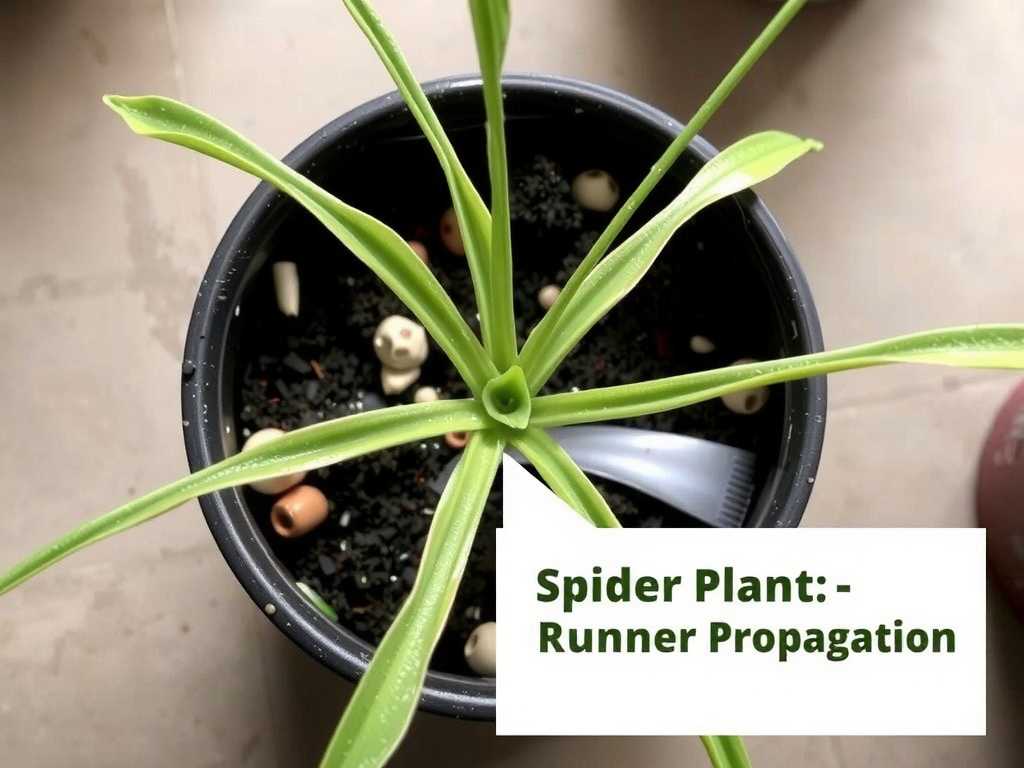
 spider plant Propagation: Priority Comparison Between Spring Division vs. Runner Propagation
You've nurtured your spider plant into a lush, healthy specimen, and now it's sending out runners with tiny plantlets, or perhaps it's so full it's bursting its pot. You're ready to propagate, but a crucial question arises: Should you divide the mature plant in spring or snip and root the baby spider plantlets from the runners? Choosing the wrong method can lead to stunted growth, unnecessary stress on your mother plant, or failed propagation attempts. This guide cuts through the confusion, offering a clear, priority-based comparison between spring division and runner propagation to ensure your spider plant multiplication is a resounding success.
Understanding these two primary methods is key to becoming a confident spider plant caretaker. Each technique serves a different purpose and is optimal under specific conditions. We'll delve into the step-by-step processes, weigh the pros and cons, and ultimately help you decide which method deserves priority for your specific situation and goals.
Understanding Your Spider Plant's Natural Propagation Methods
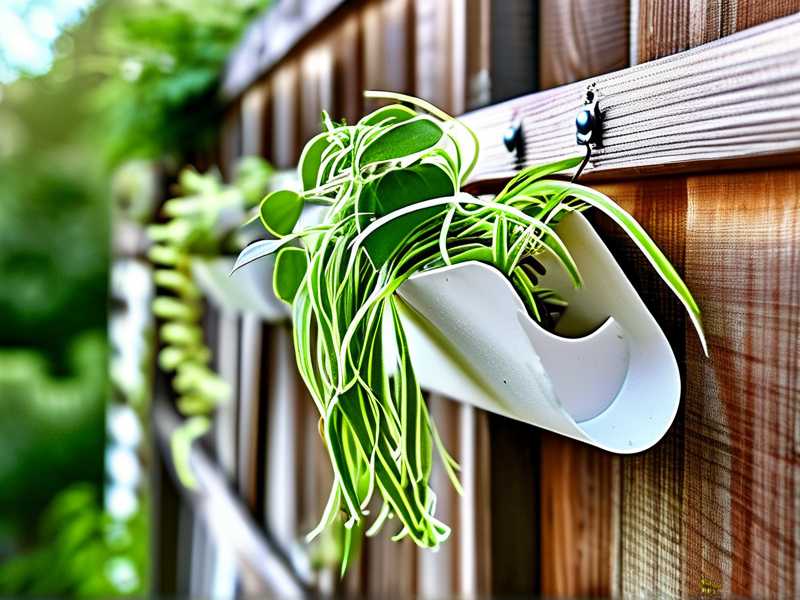
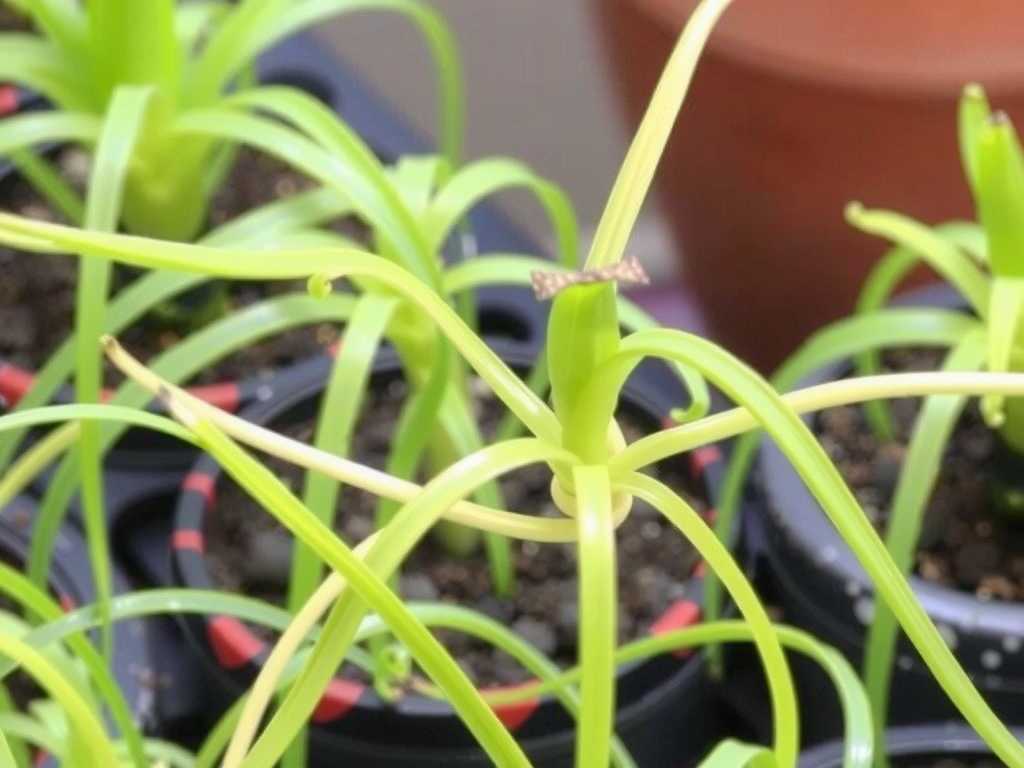
Spider plants (Chlorophytum comosum) have evolved two brilliant strategies for reproduction. In their natural habitat, they spread by growing dense clumps where the central crown multiplies underground. Simultaneously, they produce long, arching stems called stolons or "runners," which dangle baby plantlets (spiderettes) in the air, seeking contact with soil nearby. This dual strategy gives us two perfect propagation models: division and runner propagation. Recognizing this biology is the first step in working with your plant, not against it.
Method 1: Spring Division of Mature Plants
Division involves physically separating a mature, multi-crowned spider plant into two or more independent plants. This is not about the aerial runners but the root and crown system within the pot.
The Ideal Candidate and Timing The prime candidate for division is a large, pot-bound spider plant that has formed multiple distinct clusters of leaves (crowns). The absolute best time for this operation is early to mid-spring. As daylight increases and growth resumes, the plant is in its most active and resilient state, allowing it to recover quickly from the shock of division. Horticulturists at the Royal Horticultural Society consistently recommend spring repotting and division for most houseplants for this very reason.
Step-by-Step Guide to Division
- Preparation: Water your spider plant thoroughly 24 hours before dividing. This reduces stress and makes the root ball more pliable. Gather a clean, sharp knife or garden spade, fresh potting mix, and new pots with drainage holes.
- Removal and Inspection: Gently remove the entire plant from its pot. Lay it on its side and carefully tease apart the root mass with your fingers. Your goal is to identify natural separations between the crowns.
- The Division Process: For tightly tangled roots, use your sterilized knife to cut through the root ball, ensuring each new section has a healthy cluster of leaves and a substantial portion of roots attached. Avoid creating sections that are too small, as they will recover slowly.
- Potting Up: Plant each new division in its own pot at the same soil depth it was previously growing. Use well-draining potting soil, firm it gently, and water thoroughly.
- Aftercare: Place the newly potted divisions in bright, indirect light. Keep the soil consistently moist (but not soggy) for the first few weeks as they establish new roots. You can expect a brief period of wilting or shock, but new growth will soon appear.
Pros and Cons of the Division Method
- Pros:
- Instant Mature Plant: You create a full, presentable plant immediately.
- Revitalizes the Mother Plant: Relieves crowding, refreshes the soil, and stimulates vigorous new growth in the original plant.
- High Success Rate: When done in spring, established roots guarantee survival.
- Cons:
- Invasive to Mother Plant: It is a stressful, major surgery for the plant.
- Timing Dependent: Best results are strictly tied to the spring season.
- Requires a Large Plant: Not an option for young or single-crowned spider plants.
Method 2: Propagating Spider Plantlets from Runners
This method focuses on the spiderettes that form on the long, trailing stems. It's the most common and visually rewarding form of spider plant propagation.
The Ideal Candidate and Timing This method is perfect for any spider plant that is producing healthy runners with developed spiderettes. You can perform runner propagation year-round, but success is fastest and most robust in the warm, bright months of spring and summer. Look for plantlets that have begun to form their own root nubs while still attached to the stolon.
Step-by-Step Guide to Runner Propagation You have two main techniques for propagating from runners: rooting in water or planting directly in soil.
-
Water Rooting Method:
- Select a healthy spiderette, preferably one with small aerial root nodules already visible.
- Snip it from the runner/stolon, leaving a small stem attached.
- Place the base of the plantlet in a small container of water, ensuring only the root nubs are submerged, not the leaves.
- Place in bright, indirect light and change the water every few days.
- Once a network of roots reaches about 1-2 inches long (typically in 7-14 days), pot it in a small container with well-draining soil.
-
Direct Soil Planting Method:
- Fill a small pot with moist potting mix. You can place it near the mother plant.
- While still attached to the mother plant, position the spiderette on top of the soil in the new pot and pin it down lightly with a bent paperclip or a small stone. Alternatively, you can snip the plantlet off and plant it directly.
- Keep the soil lightly moist. The advantage of leaving it attached is that the mother plant sustains the baby while it roots.
- After a few weeks, gently tug on the plantlet. If there is resistance, roots have formed. You can then sever the runner connecting it to the mother plant.
Pros and Cons of Runner Propagation
- Pros:
- Low Stress on Mother Plant: Simply removing plantlets has minimal impact on the parent's health.
- Simple and Beginner-Friendly: An easy, fail-safe method perfect for new gardeners.
- Continuous Process: Can be done whenever plantlets are available.
- Educational and Rewarding: Watching roots develop in water is a clear sign of success.
- Cons:
- Slower to Mature: It takes time for a small plantlet to grow into a full, bushy plant.
- Requires Runner Production: A plant that isn't producing offsets can't be propagated this way.
Priority Comparison: Which Method Should You Choose?
So, when does spring division take priority, and when should you default to runner propagation? The decision tree is clear.
Prioritize SPRING DIVISION when:
- Your primary goal is to manage the size and health of an overgrown mother plant.
- You need a large, instant result—a gift-ready plant or an immediate fill for a large planter.
- The plant is severely pot-bound, and division is necessary for its survival and continued growth.
- Expert Tip: Division is less about simple multiplication and more about plant rejuvenation and controlled, large-scale reproduction.
Prioritize RUNNER PROPAGATION when:
- You want to create many new plants from a healthy mother without harming it.
- You are a beginner seeking a foolproof, educational propagation project.
- You wish to propagate throughout the year, not just in spring.
- Your spider plant is happily producing an abundance of runners and spiderettes.
- In essence, for most hobbyists seeking to multiply their plants, runner propagation is the default, go-to method due to its simplicity and low risk.
Ensuring Success: Post-Propagation Care Tips
Regardless of your chosen method, the first few weeks are critical. Provide bright, indirect light to fuel growth without causing scorching. Water carefully—keep the soil of new divisions consistently moist, and for newly potted spiderettes, ensure the soil never dries out completely but is never waterlogged. Hold off on fertilizing for at least 4-6 weeks until the plant is actively growing. A light dose of balanced, water-soluble fertilizer can then be applied monthly during the growing season.
Why are my propagated spider plant tips turning brown? Brown tips are commonly caused by fluoride or chlorine in tap water, low humidity, or occasional underwatering. Allow tap water to sit out for 24 hours before use, occasionally use distilled or rainwater, and ensure you're watering thoroughly when the top inch of soil feels dry.
Can I propagate a spider plant without any roots on the plantlet? Yes, you can. Plantlets without visible root nubs will readily root in water or moist soil. However, those that have already started forming aerial roots will establish themselves significantly faster and with a higher success rate.
How long does it take for a propagated spider plant to produce its own runners? A plantlet propagated in soil or water typically needs to reach a certain level of maturity, often taking 6 months to a year under good growing conditions, before it has enough energy reserves to start producing its own runners. Divisions from a mature plant may produce runners much sooner, sometimes within the same growing season.