bluename
 spider plant Hydroponic Propagation: Pruning Method for Overlong Roots
You’ve successfully started your spider plant in water, watching with joy as those tiny white roots emerge and grow. But now, weeks later, you’re faced with a tangled, overgrown mess filling your jar. The roots look brown in spots, the water gets murky quickly, and your once-thriving plant seems stunted. This common frustration in spider plant hydroponic propagation signals one crucial task: it’s time to prune those overlong roots.
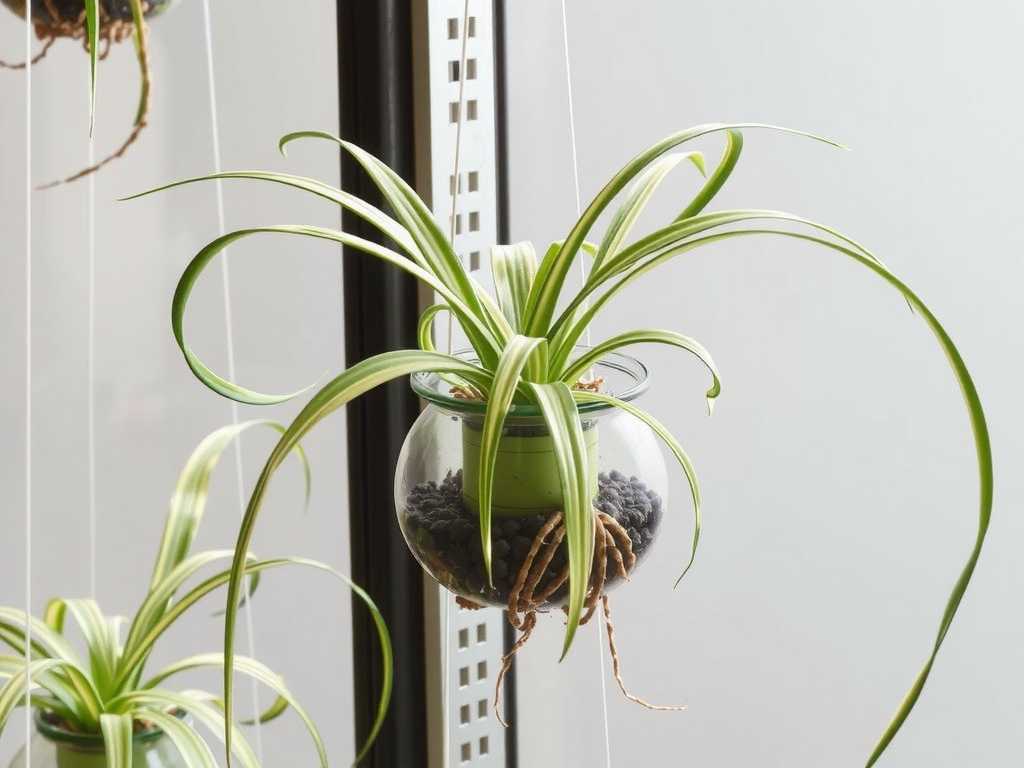
Neglecting this step is the top reason hydroponic spider plants fail to transition to soil or eventually decline in water. Overgrown roots compete for oxygen, become inefficient at nutrient uptake, and can even begin to rot, jeopardizing your plant’s health. Mastering the simple practice of root pruning is the key to maintaining a vigorous, beautiful hydroponic spider plant indefinitely.
Why Root Pruning is Essential for Hydroponic Spider Plants
In a natural soil environment, roots encounter physical resistance, which helps regulate their growth. In water, however, roots face no such barriers. They can grow freely, often becoming excessively long, thin, and fibrous. While this might look impressive, it’s not optimal for plant health.
Overly long roots in a confined vessel become densely packed. This density limits water circulation and, critically, reduces oxygen availability to the root system. According to horticulture principles, plant roots require oxygen for respiration; without it, they begin to suffocate and decay. Furthermore, an overgrown root system expends more energy sustaining itself than it does on producing new foliage, leading to slowed growth or pale leaves.
Pruning roots mimics a natural check on growth, stimulating the plant to produce fresh, white, and highly absorbent new root tips. This process, known as root regeneration, revitalizes the entire plant. It’s a cornerstone of sustainable hydroponic spider plant care, ensuring your propagation project remains successful long-term.
Preparing for the Root Pruning Process
Before you make the first cut, proper preparation sets the stage for success. You’ll need a few simple tools: a pair of sharp, clean scissors or pruning shears, a clean container, fresh water (preferably filtered or left to stand for 24 hours to dissipate chlorine), and optionally, a mild hydrogen peroxide solution (1 part 3% peroxide to 4 parts water) for disinfecting.
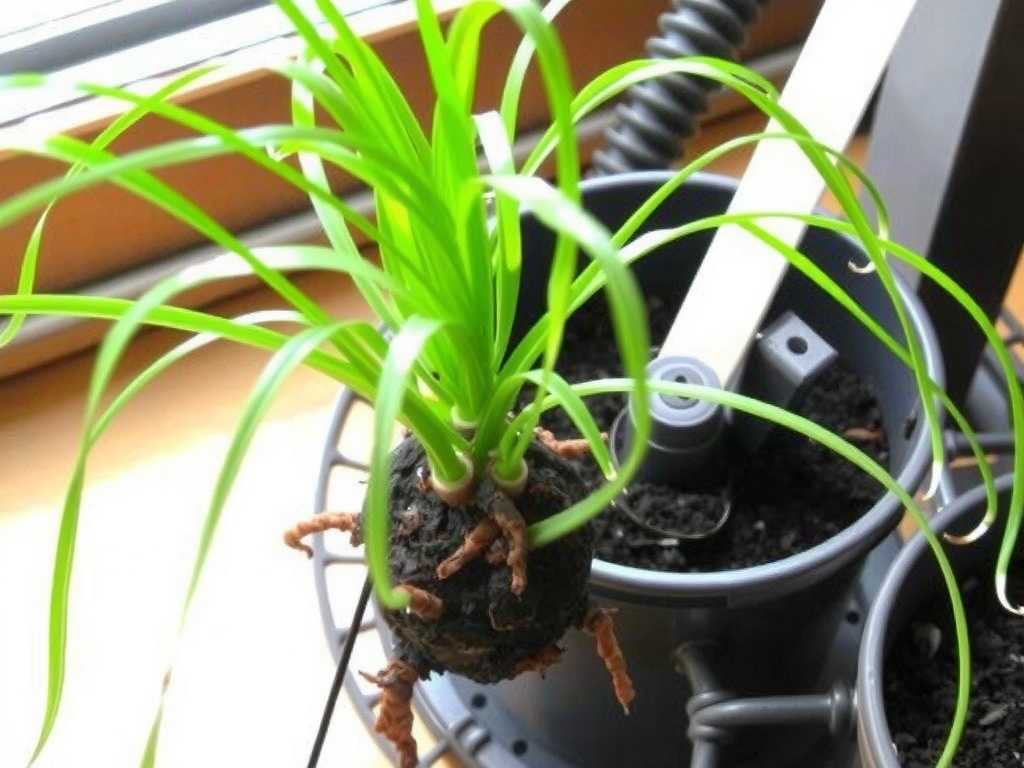
Begin by gently removing the spider plant pup or mature plant from its current vessel. Carefully untangle the root mass with your fingers under a gentle stream of lukewarm water to remove any old water and debris. This washing process allows you to clearly assess the root system’s condition. Lay the plant on a clean paper towel and take a moment to inspect. Healthy roots are firm and white or light tan. Roots that are soft, slimy, brown, or black are unhealthy and must be removed.
Step-by-Step Guide to Pruning Overlong Spider Plant Roots
This central procedure is straightforward but requires a mindful approach. Follow these steps to ensure a stress-free experience for both you and your plant.
Identifying Which Roots to Trim
Not all roots need cutting. Your primary targets are the excessively long, thread-like roots that have outgrown the container. Focus on trimming back the longest strands to manage the overall size of the root ball. More importantly, you must identify and completely remove any rotten or damaged roots. These will feel mushy between your fingers and may fall apart easily. Removing this compromised material is non-negotiable for preventing the spread of decay.
The Correct Pruning Technique
Using your sterilized scissors, make clean, angled cuts. Aim to reduce the length of the overlong roots by about one-third to one-half. Avoid cutting straight across; a diagonal cut exposes a slightly larger surface area for new root initiation. Always cut just above a node or a junction if possible, as this is where new growth will emerge. The goal is not to make the root ball tiny but to refresh it and create space for new, efficient growth. This method for trimming spider plant water roots minimizes shock and encourages rapid recovery.
Aftercare and Monitoring Post-Pruning
Once pruning is complete, rinse the root system once more with your mild hydrogen peroxide solution or clean water. Place the plant back into a clean vessel filled with fresh water. Ensure only the roots are submerged, and the crown of the plant remains above water to prevent rot.
Position your spider plant in bright, indirect light. For the first few days, monitor the water clarity closely. It’s normal for some tiny fragments to cloud the water slightly; change it after 2-3 days. After that, resume your regular water-changing schedule every week. You should see new, bright white root tips developing within 7-10 days, a sure sign of successful pruning and renewed health.
Optimizing Your Hydroponic System for Healthier Roots
Pruning is a corrective measure, but optimizing your setup prevents roots from becoming overgrown too quickly. The choice of container matters. Use a vase or jar that allows some room for growth but isn’t excessively large. Opaque glass or ceramic is ideal, as it blocks light and inhibits algae growth, which competes with roots for nutrients.
Water quality is paramount. As noted by urban gardening experts, chlorine and fluoride in tap water can cause root tip browning. Using filtered, rainwater, or dechlorinated water promotes healthier roots. Furthermore, while spider plants don’t require heavy feeding in water, adding a single drop of a balanced, water-soluble liquid fertilizer to the water every 4-6 weeks during the growing season can provide essential nutrients without promoting excessive, weak root growth.
Common Questions About Managing Spider Plant Roots in Water
-
How often should I prune the roots of my hydroponic spider plant? There’s no fixed calendar schedule. The need for pruning is determined by visual cues. Inspect your plant every month. When the roots become densely packed, circling the container, or start to look discolored despite fresh water, it’s time for a trim. Typically, this might be every 2-4 months, depending on growth rate.
-
Can I prune the roots and repot in soil on the same day? It’s not recommended. Pruning is a stressor, and transitioning from water to soil is another significant adjustment for the plant. After a root pruning session, allow your spider plant to recover and grow strong new water roots in its hydroponic setup for at least 2-3 weeks. Once you see vigorous new growth, you can then consider transitioning it to a well-draining potting mix if desired.
-
My spider plant roots are brown but still feel firm. Are they rotten? Not necessarily. It’s common for mature water roots to develop a tan or light brown, corky texture while remaining perfectly firm and healthy. This is often just staining from nutrients or minerals. True rot is characterized by a soft, slimy texture and an unpleasant odor. Focus on the texture, not just the color, when assessing root health.
Mastering the art of root pruning transforms your approach to growing spider plants in water. It moves you from a passive observer to an active participant in your plant’s health cycle. By regularly assessing the root system, making confident, clean cuts, and providing a clean optimized environment, you solve the core problem of overgrowth and decay. This proactive care ensures your hydroponic spider plant remains a vibrant, thriving, and elegant feature in your home for years, continually producing new pups for further propagation.