bluename
 spider plant Runner Propagation: The Ultimate Guide to Timing Your Offshoot Separation
You’ve nurtured your spider plant, and now it’s rewarding you with a cascade of elegant runners and baby plantlets. This exciting sight often leads to a crucial question for plant parents: when is the optimal timing for separating offshoots from the mother plant? Cutting too soon can doom a fragile pup, while waiting too long might drain the parent plant. This guide cuts through the uncertainty, providing a clear, step-by-step framework to ensure your propagation efforts lead to thriving new spider plants.
Understanding the right moment to intervene is the single most important factor for successful spider plant runner propagation. Get the timing wrong, and you risk stunted growth or losing the offshoot entirely. By mastering the signs of readiness and the simple techniques outlined here, you’ll confidently multiply your spider plant collection.
The Lifecycle of a Spider Plant Runner: Knowing What to Look For
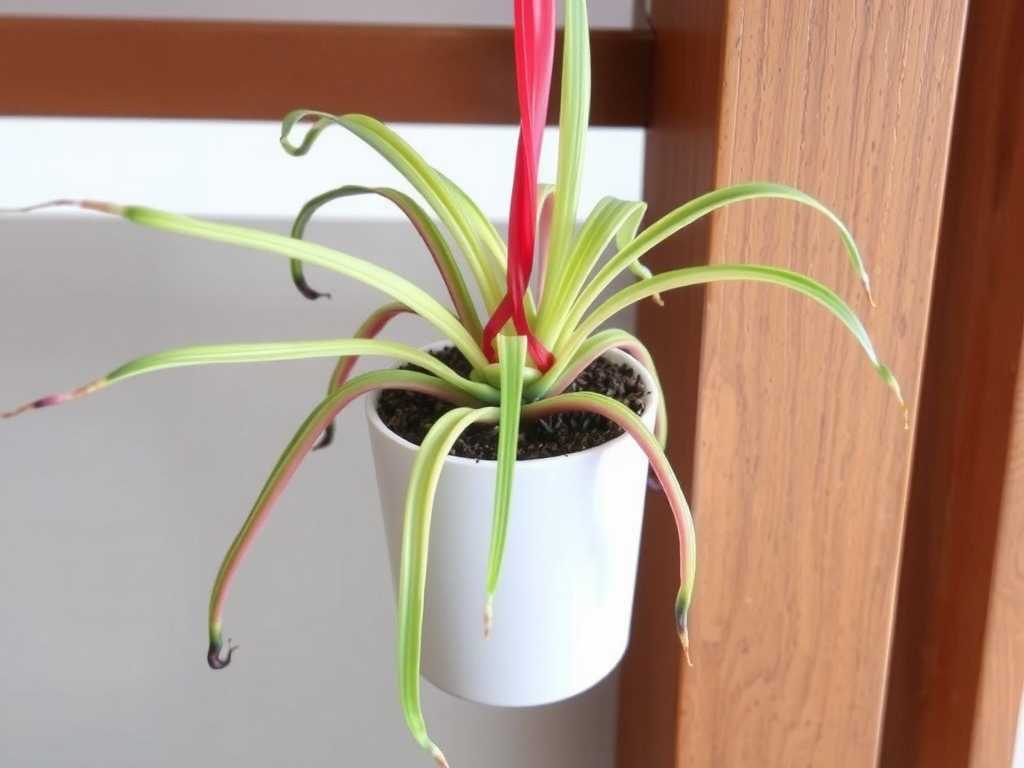
Before you make the cut, it’s essential to understand the development stages of a spider plant, or Chlorophytum comosum, offshoot. These runners, called stolons, are the plant’s natural method of reproduction. The mother plant invests energy into creating these aerial stems, from which new plantlets, often called “pups” or “spiderettes,” form.
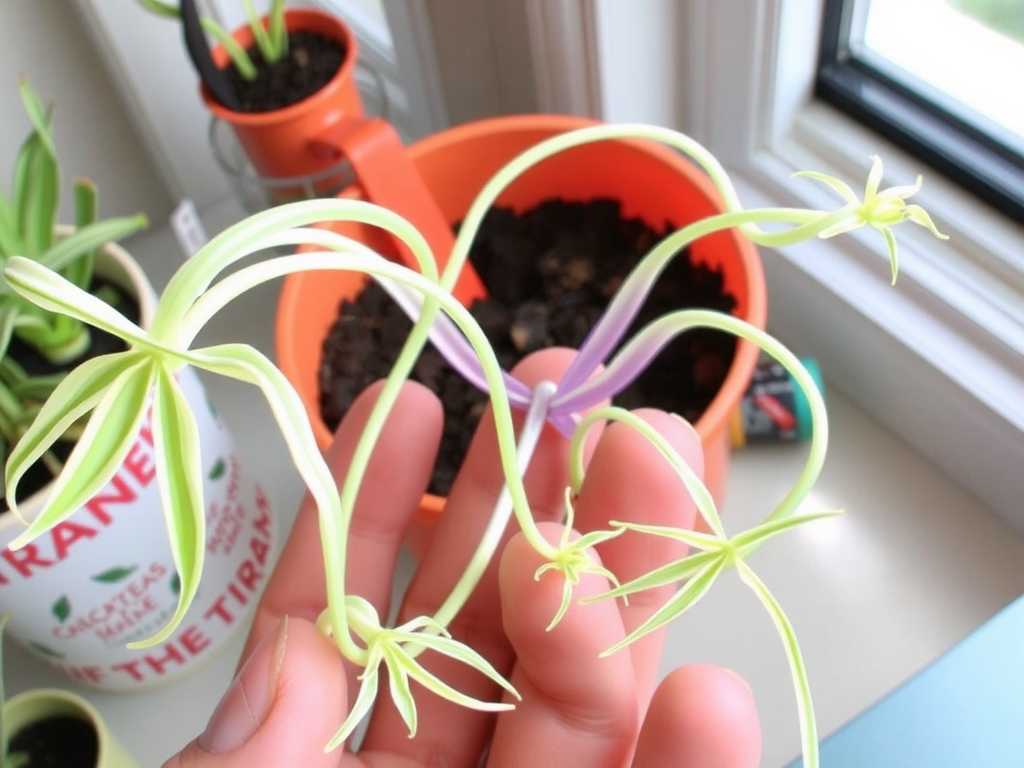
Initially, these pups are tiny and lack their own root system. They are entirely dependent on the mother plant for water and nutrients. The key to successful spider plant propagation lies in waiting for the offshoot to develop a degree of independence. This transition is marked by several visual and physical cues that signal its readiness for separation.
Key Signs Your Spider Plant Offshoot is Ready for Separation
So, how do you know the best time to remove spider plant babies? Look for this combination of indicators, which typically appear when the pup is several weeks old.
1. Development of Visible Root Nubs This is the most critical sign. Examine the base of the plantlet, where it connects to the runner. You should see small, white or brown protrusions. These are the initial root formations, often called “root initials” or “nubs.” They don’t need to be long, tangled roots—just clear evidence that the offshoot has started its own rooting process. According to horticulturist Dr. Linda Chalker-Scott, author of “The Informed Gardener,” waiting for these root initials significantly increases the survival rate of propagated cuttings, as it jump-starts the plant’s ability to uptake water post-separation.
2. Size and Foliage Maturity A ready offshoot should have several leaves of its own, typically at least 2-3 inches in length, and resemble a miniature version of the mother plant. It should look robust, not frail. A good rule of thumb is that the plantlet should have 3 to 5 mature leaves. This indicates it has sufficient photosynthetic capacity to support itself once cut off from the parent’s direct nutrient supply.
3. The “Three-Stage” Readiness Rule Many expert gardeners follow a simple, effective guideline:
- Stage 1: The pup has formed and is small with no roots. (Wait.)
- Stage 2: The pup has grown to a decent size (3-5 leaves) and developed clear root nubs. (Ready for propagation.)
- Stage 3: The offshoot’s roots have grown so long they are actively seeking soil, sometimes even curling in the air. (More than ready—ideal for direct potting.)
Step-by-Step: How to Separate and Propagate Spider Plant Offshoots
Once your offshoot meets the readiness criteria, follow this clear process. You have two primary methods: direct separation for potting or the water method for root development.
Method 1: Direct Separation and Potting (The Most Common Approach) This method is straightforward and minimizes transplant shock for a well-developed pup.
- Gather Supplies: Have ready a small pot (3-4 inches) with drainage holes, fresh, well-draining potting mix, and clean, sharp scissors or pruning shears.
- Locate the Cutting Point: Identify the stolon (runner) connecting the pup to the mother plant or to another pup. You can cut the runner about 1-2 inches from the base of the offshoot. Alternatively, you can cut between pups if multiple are on one runner.
- Make a Clean Cut: Using your sterilized tools, make a swift, clean cut. Avoid crushing or tearing the stem.
- Pot Immediately: Plant the offshoot in the pre-moistened potting mix, ensuring the root nubs and the base of the leaves are buried just below the surface. Gently firm the soil.
- Initial Care: Water lightly after potting and place the new plant in bright, indirect light. Keep the soil slightly moist (but not soggy) for the first few weeks as it establishes.
Method 2: Water Propagation (For Observation and Education) This method is excellent for beginners, as it allows you to watch the roots grow.
- Separate the Offshoot: Follow steps 1-3 above to cleanly cut the ready pup from the runner.
- Place in Water: Use a small glass or jar, filling it with enough water to submerge only the root nubs and the very base of the plantlet. Do not submerge the leaves.
- Monitor and Wait: Place in bright, indirect light. Change the water every 3-5 days to prevent bacterial growth. You will see the root nubs develop into longer, white aquatic roots within 1-2 weeks.
- Transplant to Soil: Once the water roots are about 1-2 inches long, carefully transplant the offshoot into a pot with soil. Note: Roots grown in water are different from soil roots, so the plant may go through a brief adjustment period. Keep the soil consistently moist for the first week after transplanting.
Optimizing Conditions for Success: Before and After Separation
Caring for the Mother Plant A healthy mother plant produces robust offshoots. Ensure your main plant receives bright, indirect light and is watered appropriately (allowing the top inch of soil to dry out). A balanced liquid fertilizer applied monthly during the growing season (spring and summer) provides the energy needed for prolific runner production. After removing offshoots, the mother plant will often redirect energy into new growth, potentially becoming even fuller.
Post-Separation Care for Your New Spider Plant The first few weeks are critical. Your new plant is establishing its root system in a new medium.
- Light: Provide bright, indirect sunlight. Avoid direct, harsh sun which can scorch the tender plant.
- Watering: Maintain lightly moist soil. Overwatering is the fastest way to cause root rot in a newly potted offshoot.
- Patience: Do not fertilize the new plant for at least 4-6 weeks. Its focus should be on root establishment, not new leaf growth spurred by fertilizer.
Troubleshooting Common Propagation Issues
- Offshoot Wilting After Potting: This is often due to underwatering or transplant shock. Ensure the soil is lightly moist and increase ambient humidity by misting lightly or placing the pot on a pebble tray. Avoid direct sun until it recovers.
- No Root Growth in Water: Check that the base is submerged and the water is fresh. Some offshoots may take longer. Ensure it’s getting adequate light.
- Yellowing Leaves on the New Plant: This can signal overwatering. Let the soil dry out more between waterings. Yellowing on the mother plant after separation is rare but could indicate it was stressed; return to consistent core care.
Can I separate a spider plant baby that has no roots at all? While it is possible, it is not the optimal timing for separating offshoots. A pup with no roots will experience much greater stress and has a significantly higher chance of failing to establish. It is always best to wait until you see those initial root nubs, which dramatically increases the success rate of your propagation project.
Should I cut the runner from the mother plant after removing the offshoots? Yes, it is generally recommended. Once you have removed all the plantlets from a stolon, you can trim the runner back to the base of the mother plant using clean shears. This neatens the plant’s appearance and allows it to redirect energy into new growth or producing new runners elsewhere.
How many offshoots can I remove from one mother plant at a time? You can safely remove multiple ready offshoots in one session, provided the mother plant is healthy and robust. Avoid stripping every single pup if the plant looks stressed or is small. A good practice is to never remove more than one-third of the plant’s total “mass” (including foliage and offshoots) at once to avoid undue stress.
Mastering the art of spider plant propagation hinges on patient observation and timing. By waiting for the clear signs of readiness—visible root nubs and mature foliage—you set both the offshoot and the mother plant up for success. Whether you choose to pot directly or root in water, providing consistent post-separation care in the form of appropriate light and careful watering will transform those tiny pups into lush, independent plants. Embrace the process; soon, you’ll have a thriving collection of spider plants, all originating from your well-timed and knowledgeable care.