bluename
 spider plant Propagation: Thinning Techniques for Healthy, Robust Seedlings
You’ve successfully sprouted a tray of vibrant spider plant seedlings, a testament to your green thumb. But now, a new challenge emerges. The once-sparse soil is a crowded jungle of delicate green shoots, each one competing for light, water, and nutrients. This dense tangle isn’t a sign of success; it’s a silent threat. Without intervention, your seedlings become weak, leggy, and susceptible to disease, ultimately undermining your propagation efforts. The solution lies in a crucial, yet often overlooked, gardening practice: thinning. Mastering spider plant propagation thinning techniques is the key to transforming that overcrowded patch into a collection of strong, independent plants destined for lush growth.
Why Thinning Spider Plant Seedlings is Non-Negotiable
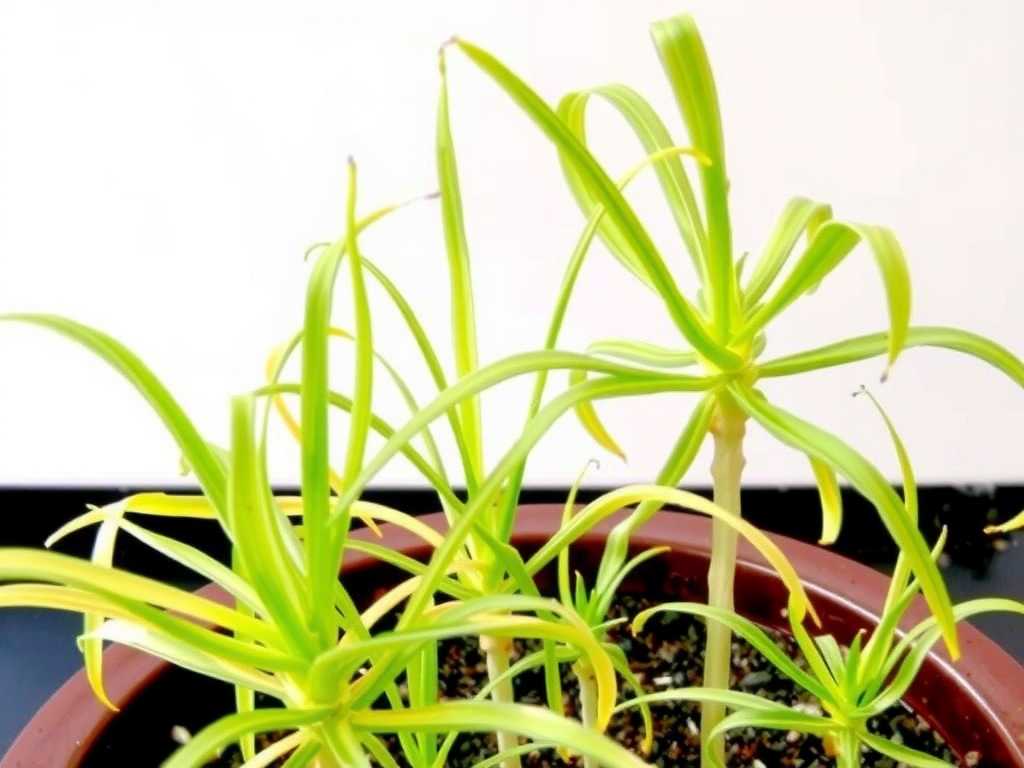
Thinning is the selective removal of excess seedlings to provide the remaining ones with optimal space to develop. It might feel counterintuitive to remove healthy plants, but it’s a vital step for quality spider plant seedling care. Crowding creates intense competition. Root systems become entangled and stunted, limiting their ability to absorb water and nutrients. Above the soil, leaves overlap, forcing seedlings to stretch unnaturally toward any available light source, resulting in weak, spindly stems—a condition known as “legginess.”
Furthermore, poor air circulation in a dense seedling tray creates a humid microenvironment perfect for fungal diseases like damping-off, which can wipe out your entire crop overnight. By thinning, you proactively prevent these issues. You allocate essential resources, encourage sturdy stem and root development, and ensure each plant has the personal space it needs to thrive. Horticulturists at institutions like the Royal Horticultural Society consistently emphasize thinning as a fundamental practice for raising robust transplants, noting that the health of a plant’s early life directly impacts its long-term vitality.
A Step-by-Step Guide to Thinning Spider Plant Seedlings
1. Timing is Everything: Knowing When to Thin The first thinning should occur when your spider plant seedlings have developed their first set of “true leaves.” These are the leaves that appear after the initial seed leaves (cotyledons). True leaves look like miniature versions of mature spider plant foliage. At this stage, the seedlings are established enough to handle gentle disturbance, and it’s easy to identify the strongest contenders.
2. Preparation: Setting the Stage for Success Gather your tools: a pair of fine-tipped tweezers or small scissors, a small watering can with a fine rose, and a disposal container. Water the seedling tray gently a few hours before thinning. Moist soil makes it easier to remove unwanted seedlings without disturbing the roots of the keepers.
3. The Selection Process: Choosing Which Seedlings to Keep Survey your tray. Look for the seedlings that are the most robust, have the greenest color, and exhibit symmetrical growth. These are your “keepers.” Identify the weaker, smaller, or misshapen seedlings for removal. Your goal is to leave one strong seedling per intended growing cell or every 2-3 inches in a open tray.
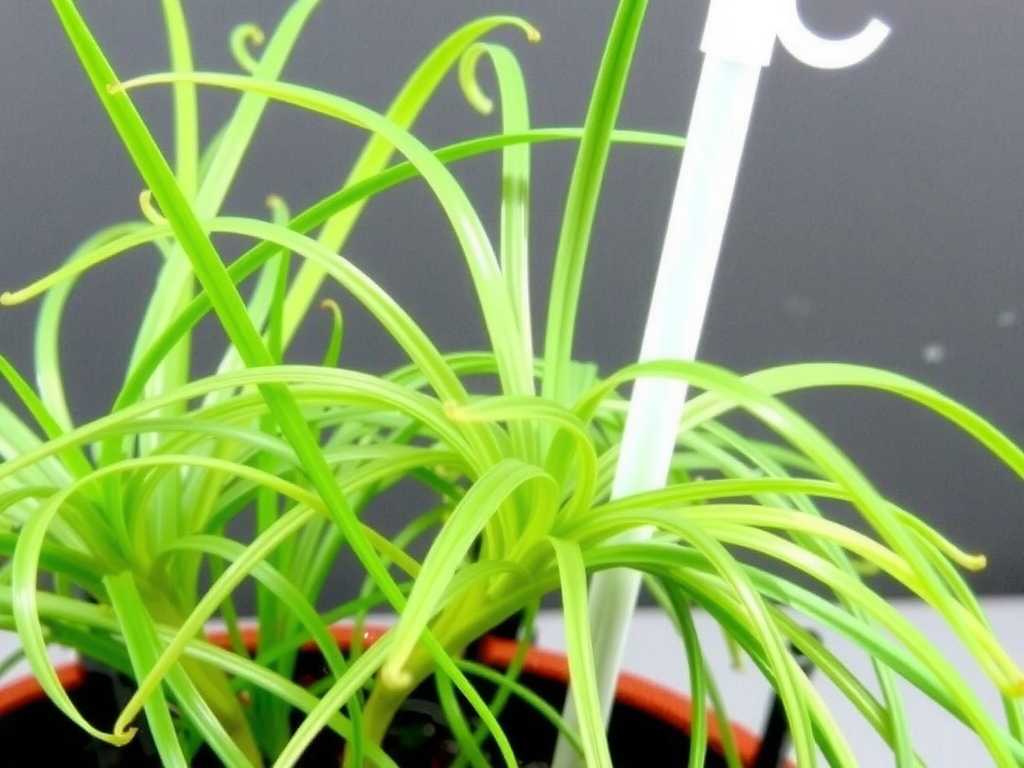
4. Execution: Two Effective Thinning Methods
- The Pinch Method: For very tender seedlings, simply pinch the stem of the unwanted seedling at the soil line between your fingernails. This severs it cleanly without disturbing its neighbors.
- The Lift Method: Using tweezers, gently grasp the stem of the seedling to be removed and pull it straight up with a steady motion. The goal is to remove the entire root. This method is best when seedlings are slightly more spaced out.
Always thin to the strongest seedling. If two are equally vigorous but too close, you must remove one—it’s for the greater good of your propagation project.
5. Post-Thinning Care: Ensuring a Swift Recovery After thinning, water the remaining seedlings lightly to help the soil settle around their roots. Place them back in their bright, indirect light location. Avoid fertilizing for at least a week to prevent burning tender roots. Your plants may look a bit sparse initially, but within days, you’ll notice the remaining seedlings growing with renewed vigor, now free from competition.
Advanced Thinning Strategies and Troubleshooting
Thinning vs. Transplanting: Which is Right for You? Thinning is a permanent reduction of numbers. Transplanting, or “pricking out,” involves carefully lifting excess seedlings and replanting them elsewhere. For spider plants, which produce abundant plantlets (spiderettes), thinning is often the simpler choice. However, if you have precious or rare variety seedlings, transplanting can salvage every plant. Use a small tool to lift a cluster, gently separate the roots in a bowl of water, and immediately pot each individual into its own cell.
Correcting Common Thinning Mistakes A common fear is accidentally damaging the keeper seedling. Work slowly and deliberately. If a keeper is disturbed, firm the soil gently around its base and water it in. Another mistake is thinning too late, leading to irreversibly leggy plants. If seedlings are already leggy after thinning, you can carefully repot them slightly deeper, burying part of the stem, to encourage stability.
Optimizing Environment Post-Thinning With more space and resources available, ensure your seedlings’ environment supports rapid growth. Provide consistent, bright indirect light (a grow light is excellent for 12-14 hours a day). Maintain even soil moisture—water when the top surface feels dry. As the seedlings develop several true leaves, you can begin applying a diluted, balanced liquid fertilizer every two weeks to fuel their growth.
Caring for Thinned Seedlings for Long-Term Health
The seedlings you’ve kept are now on a clear path. Continue providing strong indirect light and rotate the tray weekly to prevent leaning. Water from the bottom by placing the tray in a shallow dish of water; this encourages deep root growth and prevents fungal issues on the leaves. Before you know it, these well-spaced, sturdy seedlings will develop dense root systems and begin to resemble mature spider plants. They will be ready for their final transition into individual pots when roots begin to circle the bottom of their cells.
Frequently Asked Questions
Can I just transplant the thinned spider plant seedlings instead of discarding them? Yes, it is possible. If the seedlings are healthy and you have the space, you can carefully transplant them. However, their survival rate is lower than seedlings that were never crowded, as their roots are often intertwined and easily damaged. For beginners, focusing care on the strongest thinned seedlings is usually more successful.
How many times do I need to thin my spider plant seedlings? Typically, only one thinning session is necessary if you thin at the correct time (at the first true leaves) and space them adequately. The goal is to provide final spacing from the start. If you started seeds extremely densely, a preliminary, very gentle thinning might be needed just to give the first true leaves room to emerge.
My seedlings look wilted and sad after thinning. Did I kill them? Some temporary wilting or shock is normal, especially if the roots were slightly disturbed. Ensure they are in a stable environment without direct sun or drafts, keep the soil consistently moist (not soggy), and they should perk up within 24-48 hours. If they continue to decline, the root disturbance may have been too severe.
Mastering the art of thinning transforms spider plant propagation from a hopeful experiment into a guaranteed success. It moves you from simply growing many plants to cultivating the best plants. By providing this essential intervention, you give each selected seedling the foundation for a lifetime of vigorous growth and the production of its own cascading spiderettes. The simple act of removing a few plants ensures the health and beauty of the ones you keep, turning your initial effort into a rewarding display of lush, green vitality.