bluename
 spider plant Division Propagation: Mastering the Control of Wound Drying Time for Success
You’ve carefully separated your lush, mature spider plant, ready to multiply your green family. You’ve followed the steps: unpotting, gently teasing apart the root clumps, and making clean divisions. Yet, weeks later, your new plantlets are struggling—leaves turning yellow, growth stunted, or worse, the roots have rotted away. What went wrong? Often, the silent culprit is a misstep in a critical, yet frequently overlooked, phase: the control of wound drying time after division.
This crucial window, the period between making a cut and potting the division, directly dictates whether your propagation effort thrives or fails. Get it wrong, and you invite pathogens into fresh wounds or desiccate delicate roots. Master it, and you unlock the secret to robust, resilient new spider plants. This guide dives deep into the science and art of managing wound drying time, ensuring your propagation success rate soars.
Why Wound Drying Time is Your Make-or-Break Factor
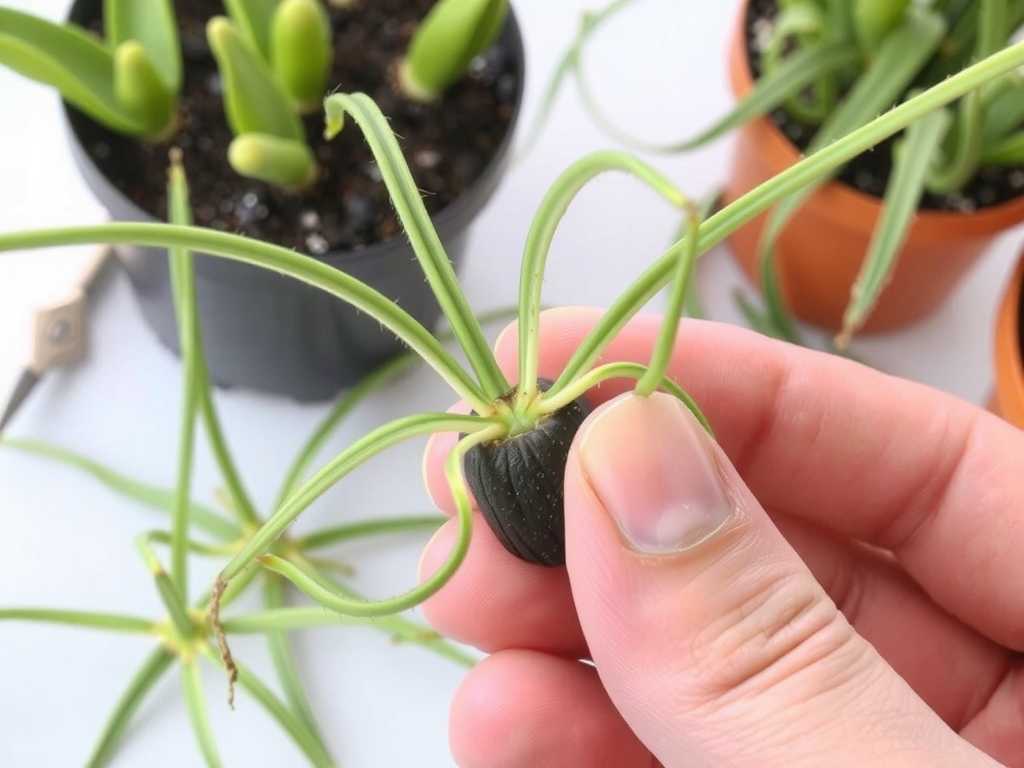
When you divide a spider plant, you inevitably create small tears and cuts on the roots and the base of the plant. These are open wounds. In the plant world, these wounds trigger two simultaneous processes: callus formation and the risk of infection.
A callus is a layer of cells that forms over the cut surface, acting as a natural bandage. It seals the wound, preventing water loss and blocking entry points for soil-borne fungi and bacteria that cause rot. The goal of managing drying time is to facilitate this callusing process before the division is placed into moist soil. However, if the division is left to dry for too long, especially in a hot or windy environment, the roots and plant tissue can lose too much moisture, leading to dehydration and transplant shock.
The Optimal Drying Time: It’s Not One-Size-Fits-All
Contrary to some quick-tip guides that prescribe a rigid hour, the ideal wound drying time for spider plant divisions is a variable. It depends on several environmental factors. Generally, a period of 1 to 3 hours is sufficient for the cuts to air-dry and begin the initial callusing process in a typical indoor environment.
- For small divisions with minimal root disturbance: A shorter time (45 minutes to 1.5 hours) may be adequate.
- For larger divisions with thicker, fleshy roots that were cut: Aim for the longer end of the range (2-3 hours).
The key is visual and tactile cues. The cut surfaces should look dry to the eye and no longer feel moist or cool to the touch. The roots should remain pliable and light-colored, not shriveled or brittle.
Step-by-Step Guide to Controlling the Drying Phase
Precision in this stage sets the foundation for health. Follow this controlled procedure.
1. Preparation is Key: Create the Right Environment Before you even make the first division, prepare your staging area. Choose a clean, dry surface like a newspaper, paper towel, or a wire rack in a location with good air circulation but out of direct sunlight. Bright, indirect light is perfect. Direct sun will accelerate moisture loss too rapidly and stress the plant. Have your fresh, well-draining potting mix and new pots ready so the divisions can be potted immediately after the drying period ends.
2. The Division Process: Creating Clean Wounds How you divide directly impacts wound healing. Always use a sharp, sterilized knife or pair of scissors. Crushing or tearing roots with your hands creates ragged, bruised wounds that are harder to callus and more susceptible to rot. Make decisive, clean cuts to separate the plantlets or root clumps. As noted by horticulturist Dr. Linda Chalker-Scott, clean cuts from sharp tools promote faster and more effective wound compartmentalization—the plant’s internal healing process.
3. The Drying Protocol: Active Management After separation, do not simply leave the divisions in a heap. Lay them out singly on your prepared surface, ensuring air can circulate around all sides, particularly the cut ends. This is not a passive “wait and see” period but an active management of the plant’s wound healing. Avoid the common mistake of placing them on a wet cloth or in a closed container, which creates a humid microenvironment conducive to rot.
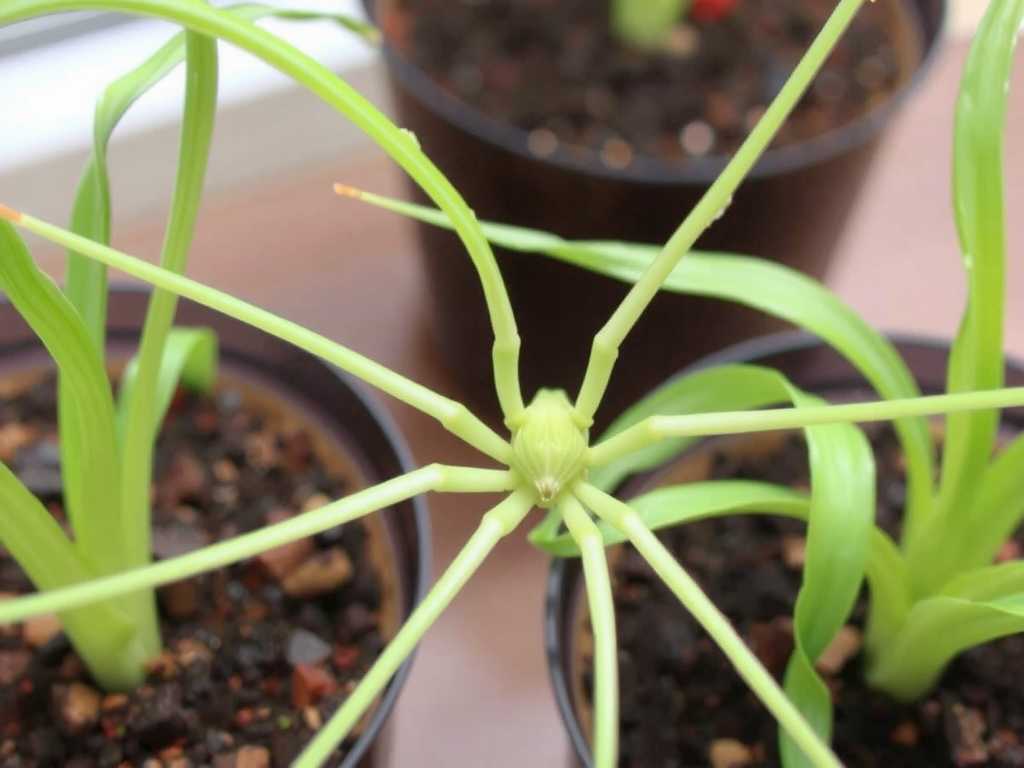
4. Potting After Drying: The Seamless Transition Once the wounds have air-dried for the appropriate time, pot the divisions immediately. Plant them at the same depth they were growing before and water thoroughly until it drains from the bottom. This first watering rehydrates the roots without the risk of waterlogging fresh, open wounds. The controlled drying time has now prepared the plant to handle soil moisture safely.
Common Pitfalls and How to Avoid Them
- Pitfall 1: Skipping Drying Altogether (“Potting Wet”). Planting a division with fresh, wet wounds directly into damp soil is an invitation for root rot pathogens like Pythium or Fusarium. The moist wound is an ideal entry point.
- Pitfall 2: Over-Drying (“The Crispy Effect”). Leaving divisions overnight or for many hours in a dry room can desiccate the fine root hairs and stress the plant, leading to prolonged shock and leaf die-back.
- Pitfall 3: Ignoring Environmental Humidity. In very humid climates, drying time may need to be extended slightly. In arid, dry climates, it should be shortened. Always rely on the tactile “dry to the touch” cue over a strict timer.
Enhancing Success with Post-Propagation Care
Your control doesn’t end after potting. The first two weeks are critical. Place your newly potted spider plants in bright, indirect light. Hold off on fertilizing for at least a month; the fresh potting mix has nutrients, and fertilizers can irritate recovering roots. Water only when the top inch of soil feels dry. This careful post-care supports the healing that began during the controlled drying period.
Frequently Asked Questions
Can I use cinnamon or rooting hormone on the wounds before drying? Yes, and this can be a beneficial practice. A light dusting of ground cinnamon (a natural antifungal) on the dried wounds just before potting can offer extra protection. Similarly, a rooting hormone powder can be applied to stimulate root growth. The process remains the same: allow the wounds to air-dry first, then apply these aids immediately before planting.
My spider plant division has a large “pup” with its own roots. Does it still need drying time? Even if the pup has developed its own root system, there will likely be small breaks or cuts where it was attached to the stolon (runner) or mother plant. It’s still wise to give it a shorter drying period (30-60 minutes) for these specific attachment point wounds to callus over, protecting the otherwise healthy roots.
What if I accidentally over-dried my division? All is not lost. Soak the entire root ball in room-temperature water for 20-30 minutes to rehydrate it thoroughly before potting. Then, pot as usual and keep the soil consistently (but not soggy) moist for the first week and provide high humidity if possible (like a pebble tray). It may take longer to show new growth as it recovers from the stress.
Mastering spider plant division propagation hinges on understanding the delicate balance of wound care. By actively controlling the drying time—neither rushing the process nor neglecting it—you work in harmony with the plant’s natural healing mechanisms. This mindful approach transforms propagation from a hopeful gamble into a reliable, rewarding practice. Your spider plants will respond with vigorous growth, quickly filling their new pots with the vibrant, arching foliage that makes them a beloved houseplant staple.