bluename
 spider plant Division Propagation: Control of Optimal Number of Divisions
You’ve successfully propagated your spider plant through division, but now you’re facing a new challenge. Your once-thriving plant seems crowded, or perhaps the new divisions are struggling to take off. The root of the problem often isn’t the division process itself, but a critical step that comes before the first cut is ever made: determining and controlling the optimal number of divisions. Taking too many small pieces can stress the plant and lead to weak growth, while not dividing enough misses the opportunity for a fuller, healthier collection. This guide will demystify the science and art behind this key decision, ensuring your propagation efforts yield robust, beautiful plants every time.
Understanding the Science of Spider Plant Division
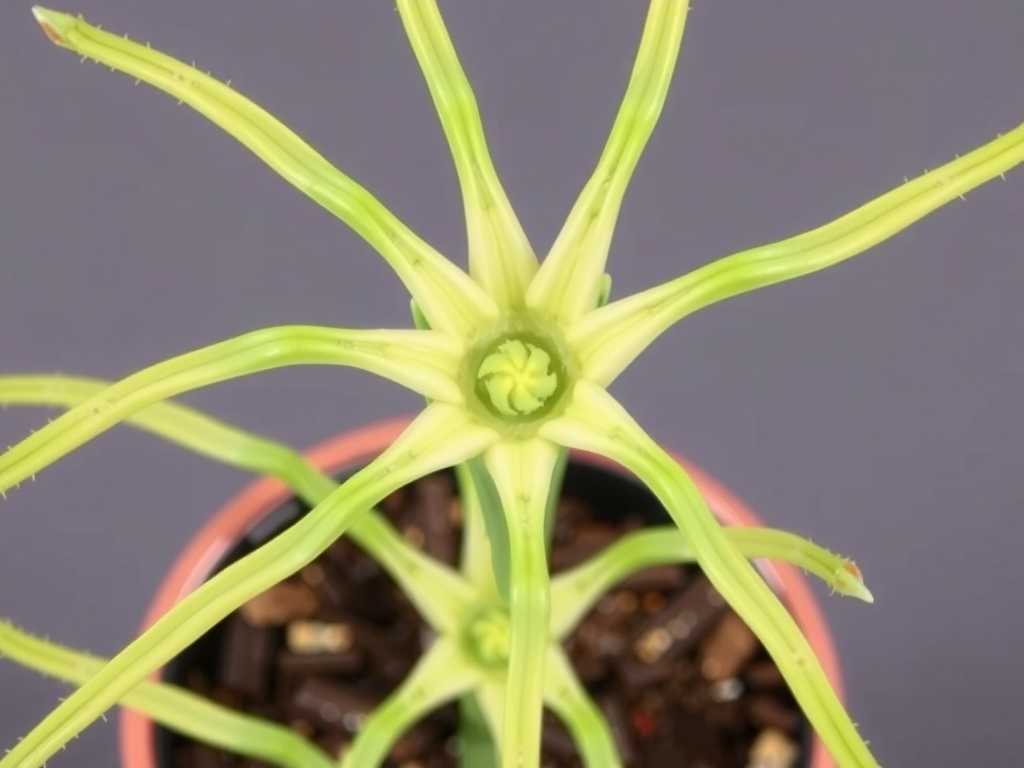
Division is more than just a propagation method; it’s a form of controlled rejuvenation. A mature spider plant, or Chlorophytum comosum, develops a dense, tuberous root system called rhizomes. Over time, the center of the plant can become congested, competing for resources and potentially leading to brown tips and stunted growth. The act of dividing alleviates this congestion. However, the plant’s recovery and future vigor are directly tied to the size and resource reserves of each new division. As noted in horticultural best practices, each division must retain enough roots and foliage to sustain itself through the transplant shock and quickly re-establish. This foundational principle guides our approach to the optimal number of splits.
Key Factors Determining the Optimal Number of Divisions
There is no universal magic number. The ideal count is a personalized diagnosis based on your specific plant’s health and structure. Ignoring these factors is the most common cause of propagation failure or delayed success.
- Plant Size and Maturity: A young, small plant with only a few offshoots (spiderettes) is not a candidate for multiple divisions. It may only yield one or two viable sections. A large, pot-bound specimen that has been growing for several years, with multiple crowns and a massive root ball, can often be split into four or even five robust sections.
- Root Mass and Health: This is the most critical factor. During your pre-division inspection, gently loosen the root ball. A healthy, optimal division candidate will have thick, white, and succulent roots densely filling the pot. If the roots are sparse, brown, or mushy, your primary goal shifts to health recovery, and you should take fewer, larger divisions to ensure each has a fighting chance.
- Number of Natural Crowns: Spider plants grow in clumps with distinct points from which leaves emerge, known as crowns. These natural separations are your blueprint. Each viable division should ideally contain at least one healthy crown with several attached leaves and a substantial portion of the root system. Count the crowns to estimate your maximum potential divisions.
The Step-by-Step Guide to Controlled Division
Armed with an assessment of your plant, you can now execute a precise division. The goal is control and intentionality, not simply creating the highest number of pieces.
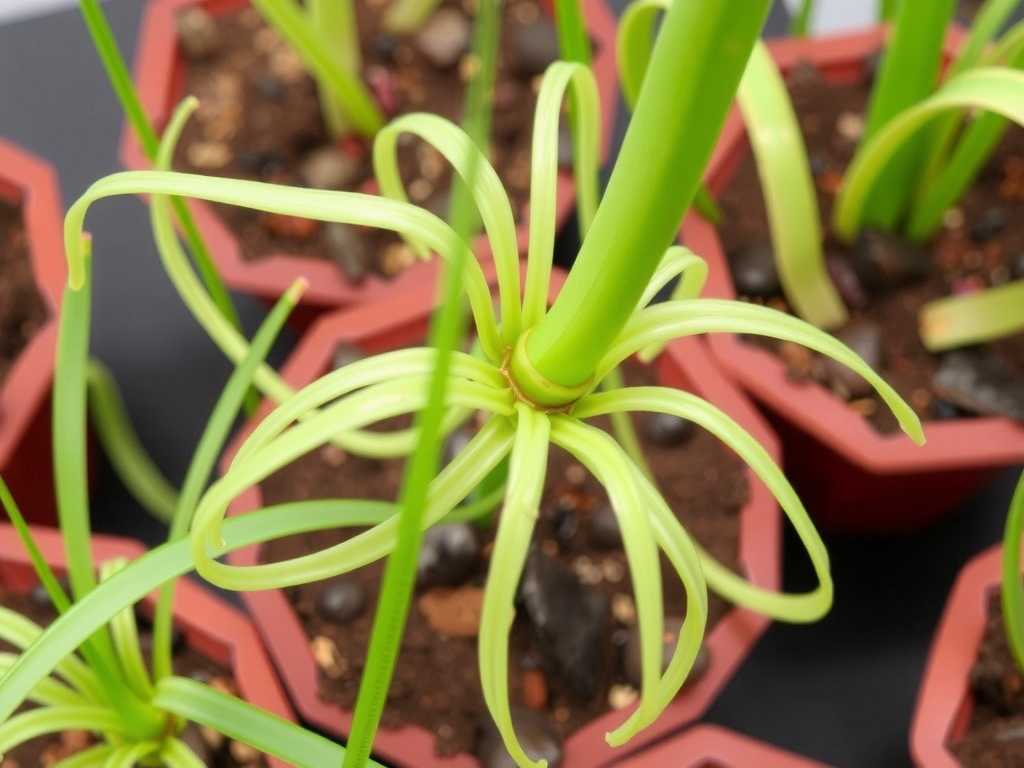
Pre-Division Assessment and Preparation Water your spider plant thoroughly 24 hours before the operation. This reduces stress and makes the roots more flexible. Gather clean, sharp scissors or a knife, fresh potting mix, and appropriate-sized containers. Having everything ready ensures the process is swift, minimizing root exposure.
The Division Process: Quality Over Quantity
- Remove the plant from its pot and gently tease away excess soil to expose the root structure.
- Identify the natural separation points between crowns. Your hands are often the best tool here. Gently pull the clumps apart, starting from the outer edges. For tough, interconnected rhizomes, use your sterilized tool to make clean cuts, ensuring each section retains a healthy mass of roots.
- This is where controlling the number of divisions comes into play. Based on your earlier assessment, decide on your target. If the root mass is moderate, forcing four divisions might leave each too weak. Opting for two or three larger, well-rooted divisions is the smarter, more sustainable choice. Always prioritize creating a few strong units over several feeble ones.
Post-Division Care for Optimal Establishment Plant each division in a pot that comfortably fits its root system, using well-draining soil. Water it lightly to settle the soil. Place the new plants in bright, indirect light and maintain consistent moisture (but not sogginess) for the first 4-6 weeks. This recovery period is when the wisdom of your division control is proven; appropriately sized divisions will show new growth much faster.
Why Controlling Division Count Maximizes Success
The benefits of this measured approach are significant for both the plant and the gardener.
- Reduced Transplant Shock: Larger divisions have more stored energy and root capacity to absorb water, helping them overcome the stress of separation quickly.
- Faster Growth and Establishment: A division with ample resources doesn’t just survive—it thrives. You’ll see new leaves and even spiderettes much sooner than with a struggling, over-divided piece.
- Long-Term Plant Health and Vitality: Starting with a robust division sets the plant up for a healthier life cycle, making it more resistant to pests and diseases. It avoids the cycle of recovery that stunts long-term development.
Advanced Tips for the Enthusiastic Grower
For those looking to expand their spider plant collection strategically, consider a staggered approach. Divide a large plant into 2-3 substantial sections one year. Allow these to grow and mature for another 12-18 months. You now have multiple strong mother plants ready for their own division, effectively exponentializing your stock in a healthy, sustainable way. Furthermore, understanding optimal propagation division limits helps in planning your garden space and sharing plants with friends without depleting the vitality of your original specimen.
Common Questions Answered
How often should I divide my spider plant? Spider plants typically benefit from division every 2-3 years, or when you see obvious signs of being pot-bound: roots circling the pot, cracking the container, or slowed growth despite proper care.
Can a division be too large? While less common, yes. An excessively large division in a small pot can lead to rapid re-congestion and soil depletion. The goal is a balanced ratio of root mass to pot size. If a section seems too big, don’t hesitate to carefully split it into two.
What if my divided plant isn’t growing? First, ensure it has adequate indirect light and consistent moisture. Stagnant growth most commonly points to a division that was too small, lacking the root reserves to recover. Be patient for a few more weeks. If no improvement is seen, consider repotting it into a slightly smaller container to encourage root-to-soil contact and focus its energy.
Mastering spider plant propagation through division hinges on the deliberate control of how many new plants you create. By carefully evaluating the mother plant’s health, respecting its natural structure, and prioritizing the creation of substantial, well-rooted divisions over sheer quantity, you transform a simple gardening task into a guarantee of success. This mindful approach ensures that every new spider plant begins its life with the strength and vitality needed for lush, vibrant growth, turning your single plant into a thriving collection with confidence.