bluename
 spider plant Seed Propagation: Disinfection Method for Seedling Soil
You've carefully collected seeds from your vibrant spider plant, ready to grow a new generation of these air-purifying champions. You prepare a perfect seedling mix, sow the seeds with hope, and wait. But instead of tiny green sprouts, a fuzzy white mold appears, or worse, your seedlings damp off and die just as they emerge. This heartbreaking scenario is a common frustration for gardeners, often traced back to one critical, overlooked step: improperly disinfected seedling soil.
Pathogens like fungi, bacteria, and pests lurking in your potting mix can sabotage your propagation efforts before they even begin. Disinfecting your seedling soil isn't about creating a sterile, lifeless environment; it's about tipping the ecological balance in favor of your delicate spider plant seeds by eliminating harmful agents while preserving beneficial elements where possible. This guide dives deep into the most effective, practical methods for disinfecting seedling soil, ensuring your spider plant seed propagation journey starts on a clean, healthy foundation.
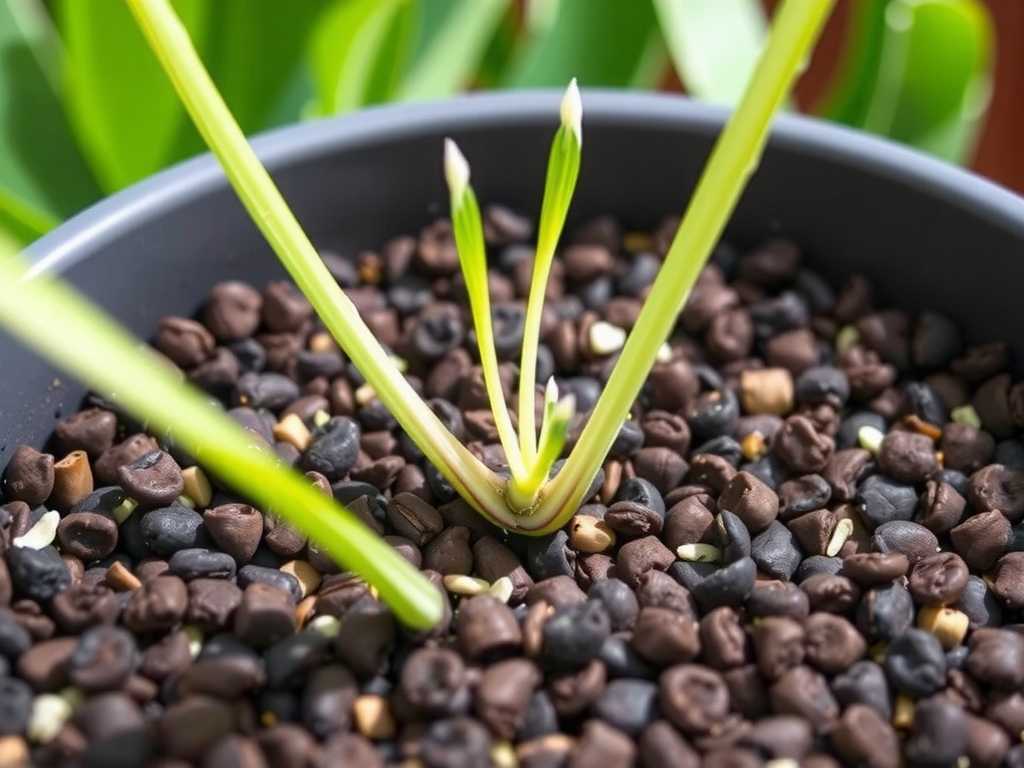
Why Soil Disinfection is Non-Negotiable for Spider Plant Seeds
Spider plant (Chlorophytum comosum) seeds, while relatively easy to germinate, are vulnerable during their initial growth phase. They lack the robust defense systems of mature plants. Unseen threats in untreated soil can cause several devastating issues:
- Damping-off: This is the arch-nemesis of seedlings. Caused by soil-borne fungi like Pythium and Rhizoctonia, it causes stems to rot at the soil line, leading to collapse and death. It spreads rapidly in cool, wet, and poorly sanitized conditions.
- Seed Rot: Fungi and bacteria can attack the seed itself, preventing germination entirely.
- Pathogen Introduction: Unsterilized soil can introduce viruses, nematodes, or insect eggs that weaken or kill seedlings over time.
- Algae and Moss Growth: While not always directly harmful, these can crust over the soil surface, competing for moisture and nutrients and indicating overly moist conditions favorable to pathogens.
A 2020 study in the Journal of Phytopathology highlighted that using disinfected growth media significantly improved germination rates and seedling vigor in ornamental plants by reducing microbial competition and disease incidence. For the home propagator, taking this step dramatically increases your success rate.
Preparing Your Soil Mix Before Disinfection
Before you disinfect, you need the right medium. Spider plant seeds require a light, well-draining, and low-fertility mix for optimal germination.
- A Simple Recipe: A blend of 50% peat moss or coco coir (for moisture retention) and 50% perlite or coarse sand (for drainage) is excellent. You can also use a high-quality, seed-starting potting mix as a base.
- Sift Your Mix: Remove any large twigs or debris. A consistent, fine texture ensures even heat or moisture penetration during the disinfection process.
- Moisture is Key: The soil should be lightly moistened before most disinfection methods, especially thermal ones. Dry soil can burn or fail to reach the temperatures needed to kill pathogens.
Effective Methods to Disinfect Seedling Soil
Here, we explore various disinfection methods for seedling soil, ranging from simple, low-tech approaches to more precise techniques. Choose one based on your resources and the scale of your propagation project.
The Oven Method: Thermal Sterilization
This is a reliable, accessible method for moderate amounts of soil. It uses moist heat to pasteurize the soil, eliminating most pathogens, weed seeds, and insect eggs.
- Preheat: Set your oven to 200°F (93°C). Critical: Do not exceed 200°F. Higher temperatures can produce toxic compounds, release unpleasant odors, and kill all beneficial organisms.
- Prepare: Place your lightly moistened soil mix in a deep, oven-safe dish or roasting pan. Cover tightly with aluminum foil.
- Bake: Insert a meat or candy thermometer into the center of the soil. Once the internal temperature reaches 180°F (82°C), maintain it for 30 minutes.
- Cool: Turn off the oven and let the soil cool completely inside the oven with the door closed. This slow cooling prevents recontamination. Do not use until it has reached room temperature.
Expert Tip: Horticulturist Dr. Linda Chalker-Scott notes in her work with the Washington State University Extension that soil pasteurization (heating to 140-160°F for 30 minutes) is often sufficient and preferable to full sterilization, as it preserves some beneficial thermotolerant microbes.
The Microwave Method: Quick and Contained
Ideal for small batches of soil mix, this is a fast technique for sterilizing seed starting mix.
- Moisten: Dampen 1-2 pounds of soil mix in a microwave-safe bowl or bag. Leave the top open or loosely covered.
- Heat: Microwave on high for 2-2.5 minutes. Ensure the center reaches at least 160-180°F. For larger amounts, heat in batches.
- Rest and Cool: Let the covered soil stand in the microwave for several minutes, then allow it to cool completely before use.
The Boiling Water Method: Simple and Chemical-Free
This method is excellent for treating small to medium quantities with minimal setup.
- Place Soil: Put your soil mix in a heat-resistant container with drainage holes (like a clean pot) set over a tray.
- Pour Water: Slowly pour just-boiled water through the soil, saturating it completely. Ensure the water drains freely.
- Drain and Dry: Allow the soil to drain until it is evenly moist but not waterlogged. Let it cool and dry slightly to a workable, crumbly state before sowing.
The Steam Sterilization Approach
Steaming is a professional favorite, as it effectively kills pathogens with less risk of creating toxins. You can use a steamer basket, a colander over a pot of boiling water, or even a pressure cooker (without the pressure weight).
- Setup: Place the moist soil in a muslin bag or a perforated container above several inches of boiling water. Do not let the soil sit in the water.
- Steam: Cover and steam for 30 minutes once steam is actively rising through the soil.
- Cool: Remove from heat and allow to cool covered to prevent recontamination.
Natural and Low-Impact Soil Treatment Options
If you prefer to avoid heat or are preparing soil well in advance, consider these methods:
- Solarization: For large batches, place moist soil in clear plastic bags or under a clear plastic tarp in full sun for 4-6 weeks during hot summer months. The sun's heat trapped underneath will pasteurize the soil over time.
- Hydrogen Peroxide Solution: While not a full sterilization method, it can reduce surface pathogens. Mix 1 part 3% hydrogen peroxide with 4 parts water and lightly moisten the soil mix before use. It provides an oxygen boost and has antifungal properties.
Post-Disinfection: Best Practices for Sowing and Care
Your soil is now a clean slate. To keep it that way and ensure successful spider plant seed propagation, follow these steps:
- Use Clean Containers: Wash seedling trays or pots with a 10% bleach solution or soapy water. Rinse thoroughly.
- Sow Immediately: Fill your containers with the disinfected, cooled soil. Sow your spider plant seeds on the surface and press in lightly, as they need light to germinate.
- Water Wisely: Bottom-water by placing the container in a tray of water. This keeps the soil surface drier, preventing fungal growth and seed displacement. Never let seedlings sit in soggy soil.
- Provide Airflow: Use a small fan on low setting to circulate air gently around your seedlings. This strengthens stems and reduces humidity around leaves, further discouraging disease.
- Avoid Overcrowding: Thin seedlings early to prevent competition and improve air circulation.
Addressing Common Concerns
Can I use store-bought seed starting mix without disinfecting it? Most commercial seed-starting mixes are sterile when packaged. However, once opened and stored, they can become contaminated. If the bag has been open for a while or you notice any off smells, it's safest to disinfect it using one of the gentle methods above, like the boiling water treatment.
Does soil disinfection kill all beneficial microbes? Yes, thermal methods will kill nearly all microbes, both good and bad. This is why we pasteurize rather than over-sterilize. The beneficial microbial community will naturally re-establish over time from the air, water, and the plant itself. For an immediate boost, you can lightly incorporate a high-quality, microbial inoculant into the cooled soil before sowing.
My seedlings still got mold on the soil surface. What did I do wrong? Surface mold (usually white and fuzzy) is typically a sign of environmental conditions, not failed soil disinfection. It indicates excessive moisture, poor air circulation, and low light. Scrape off the mold, increase airflow with a fan, reduce watering frequency, and ensure your seedlings receive bright, indirect light. A light sprinkle of cinnamon powder can act as a natural antifungal surface treatment.
Successfully growing spider plants from seed is immensely rewarding. By understanding and implementing a proper soil disinfection protocol, you remove a major variable of failure. You give your seeds the purest possible start, directing their energy into strong root and shoot development rather than fighting off disease. Remember, clean soil, clean containers, and mindful watering are the holy trinity of seedling health. With your disinfected soil ready, you can sow with confidence, looking forward to the unfurling of your very own, home-propagated spider plant babies.