bluename
 spider plant Runner Layering Propagation: Standard for Controlling Soil Moisture
You've carefully placed your spider plant's runner, or stolon, onto fresh soil, eagerly awaiting the birth of new plantlets. Weeks pass, but instead of thriving roots, you're met with yellowing leaves, a limp runner, or worse—rot. The culprit? Inconsistent soil moisture. Mastering the water balance during this delicate propagation phase is the single most critical factor between success and disappointment. This guide establishes the definitive standard for controlling soil moisture in spider plant runner layering propagation, transforming uncertainty into a reliable, repeatable process.
Why Soil Moisture Control is Non-Negotiable for Propagation
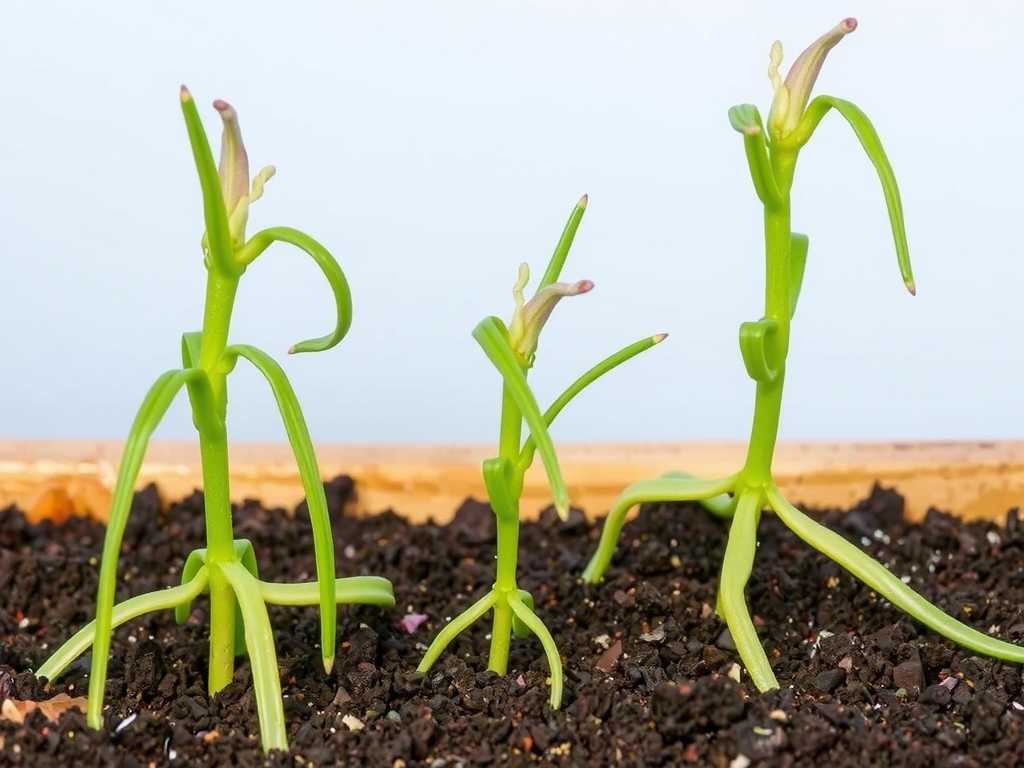
Spider plant runners, while hardy, enter a vulnerable state during propagation. The nascent root cells on the tiny plantlets, called propagules, require a precise environment to initiate growth. Too dry, and these delicate cells desiccate and die, halting progress. Too wet, and you create an anaerobic environment ripe for fungal pathogens like Pythium or Rhizoctonia, leading to stem and root rot.
A study published in the Journal of Horticultural Science emphasized that for stoloniferous plants like Chlorophytum comosum (spider plant), maintaining a substrate moisture level between 70-80% of container capacity optimizes root initiation without promoting disease. This "Goldilocks zone" is what we will define and help you achieve.
The Foundation: Preparing Your Propagation Station
Success begins before the first drop of water touches the soil. Your setup dictates how easily you can maintain moisture standards.
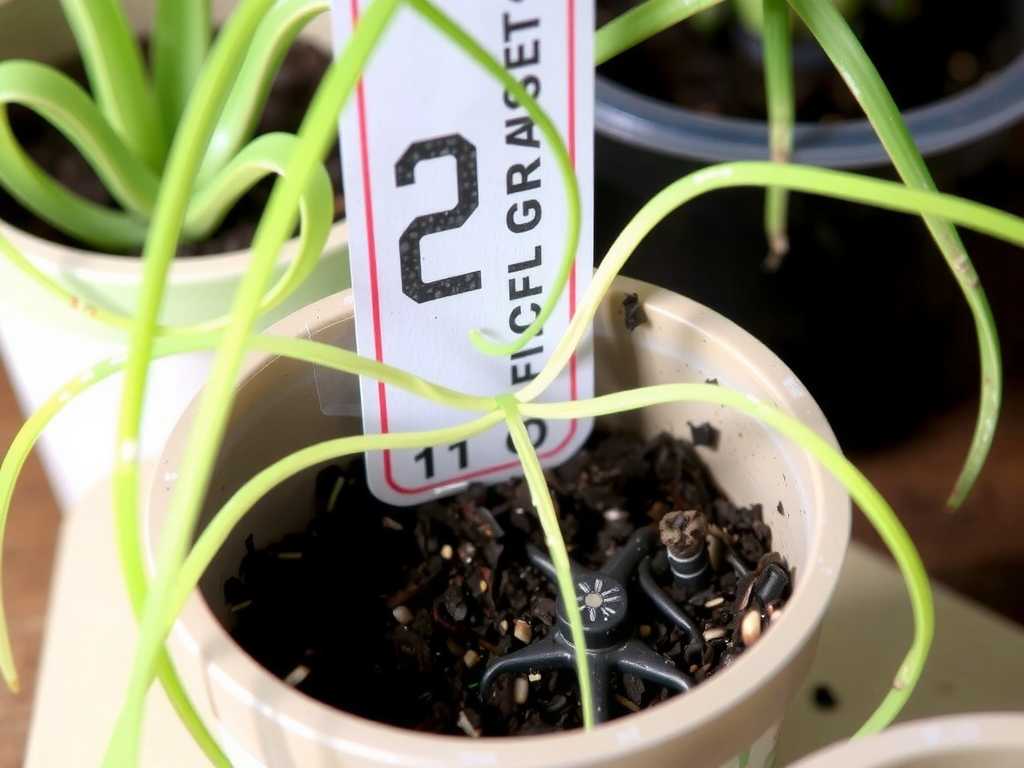
Selecting the Right Container and Medium Skip standard garden soil. Opt for a well-draining, soilless potting mix. A premium blend combining peat moss or coco coir for moisture retention, with perlite or coarse sand (at a roughly 3:1 ratio) for aeration, is ideal. This structure allows water to hydrate the roots while letting excess drain freely, preventing waterlogging.
Your container must have multiple drainage holes. Shallow pots or trays are excellent as they encourage lateral root spread and dry more evenly than deep pots. Some propagators successfully use small, separate pots for each plantlet, while others layer the entire runner across a wider tray.
The Initial Hydration: Setting the Stage Thoroughly moisten your potting mix before planting. Dump it into a large basin and add warm water, mixing until it is uniformly damp—like a wrung-out sponge. It should hold together when squeezed, but no water should drip out. This pre-moistening ensures immediate hydration for the runner and eliminates dry pockets that can wick moisture away from new roots.
The Layering Process and First Watering Gently press the spider plantlet nodes (the small bumps where roots will emerge) into the surface of the pre-moistened soil. You can use a bent paperclip or a small piece of wire to loosely secure the runner if needed, but avoid burying the leaves or crown. After placement, use a watering can with a fine rose or a spray bottle set to a gentle stream to lightly water the soil around the nodes. This settles the medium around the propagules and provides the initial moisture charge.
The Spider Plant Moisture Management Protocol
This is your step-by-step standard operating procedure for the critical 2-4 week rooting period.
Establishing the "Finger Test" as Your Primary Metric Forget the calendar. Your watering schedule is determined by the soil's condition. Insert your index finger about one inch into the soil near the plantlet. This is the standard for controlling soil moisture:
- If the soil feels damp/cool and particles stick to your skin: Do not water. The moisture is adequate.
- If the soil feels slightly moist but not wet, and few particles stick: Monitor closely. Check again in 12-24 hours.
- If the soil feels dry at your fingertip and no particles stick: It is time to water thoroughly.
The Technique for Perfect Watering When the finger test indicates dryness, water deeply but carefully. Pour room-temperature water slowly around the base of the plantlets until you see a slight amount begin to drain from the bottom holes. This ensures the entire root zone is rehydrated. Avoid overhead watering that drenches the leaves, as this can encourage crown rot. Allow all excess water to drain completely; never let the pot sit in a saucer of standing water.
Environmental Harmony: Light, Humidity, and Temperature Soil moisture does not exist in a vacuum. It interacts directly with your environment.
- Light: Provide bright, indirect light. Direct sun will bake the soil and dry it out too quickly, while low light will slow evaporation and increase rot risk.
- Humidity: While not strictly necessary, moderate ambient humidity (around 40-50%) reduces moisture stress on the plantlets. In very dry homes, a light misting of the air (not the soil) can help, but focus on soil moisture as the priority.
- Temperature: Maintain a consistent room temperature between 65-75°F (18-24°C). Cooler temperatures slow water uptake and evaporation, meaning you will water less frequently.
Troubleshooting: Reading Your Spider Plant's Signals
Your plant communicates its moisture status clearly.
Signs of Overwatering and Waterlogged Soil Yellowing, mushy leaves starting at the base, a foul smell from the soil, and a blackened, soft runner are urgent signs of rot. If caught early, stop all watering, remove the affected plantlet, and improve air circulation. You may need to unpot the runner, trim rotten parts, and restart with fresh, barely moist mix.
Signs of Underwatering and Dry Soil The plantlets will look dull, lose their vibrant green color, and may develop brown, crispy tips. The runner itself may become brittle. The soil will pull away from the edges of the pot. Recovery is usually straightforward: give a thorough, deep watering as per the protocol above. The plantlets should perk up within hours.
Transitioning to Established Plant Care
Once you see new growth from the center of the plantlet and gentle tugging meets resistance (indicating new roots), the propagation phase is complete. You can now sever the runner from the mother plant. Gradually begin to let the top half-inch of soil dry out between waterings, transitioning to the standard care routine for an established spider plant. This shift is crucial, as mature plants prefer to dry out more than their propagating offspring.
Frequently Asked Questions
How long does it take for a layered spider plant runner to root? Under ideal conditions with proper moisture control, you can expect visible root development and new growth within 2 to 4 weeks. The timeline can be slower in cooler or lower-light conditions.
Can I propagate spider plant runners directly in water instead? Yes, water propagation is popular. However, roots grown in water are structurally different (water roots) and must adapt to soil, sometimes causing transplant shock. The layering propagation method described here encourages stronger, soil-adapted roots from the start, leading to a more robust plant.
My plantlet is rooted, but the leaves are pale. What's wrong? Pale leaves, especially with brown tips, often point to mineral buildup from tap water or a need for fertilizer. Now that the plant is established, switch to watering with distilled or filtered water and consider a diluted, balanced liquid fertilizer monthly during the growing season.
Mastering spider plant runner propagation boils down to respecting the moisture needs of developing roots. By adopting this standardized protocol—prioritizing the finger test over a fixed schedule, ensuring a well-draining medium, and creating a stable environment—you turn propagation from a guessing game into a guaranteed success. Your spider plants will reward this precise care with vigorous growth, allowing you to expand your green collection with confidence and share the bounty with fellow plant lovers.