bluename
 spider plant Leaf Cutting Propagation: Disinfection Tips for Leaf Cuts
You’ve carefully selected a healthy leaf from your spider plant, ready to start a new generation of these resilient houseplants. But within days, your promising cutting turns soft, discolored, and succumbs to rot. This common frustration often stems from a single, overlooked step: proper disinfection. Mastering spider plant leaf cutting propagation isn't just about placing a leaf in water or soil; it's about creating a clean start to prevent microbial invaders from destroying your efforts before roots even have a chance to form.
This guide focuses exclusively on the critical, yet simple, disinfection practices that bridge the gap between failure and thriving new spider plants. By integrating these tips into your process, you significantly increase your success rate and ensure robust, healthy growth from the very beginning.
Why Disinfection is Non-Negotiable for Leaf Cuts
When you make a cut, you create an open wound on the plant tissue. This exposed area is vulnerable to bacteria and fungi present in the air, water, soil, and even on your tools. These pathogens thrive in the moist environment ideal for rooting, leading to stem rot that travels upward and kills the cutting.
A study in the Journal of Phytopathology noted that fungal pathogens like Fusarium and Pythium are common culprits in cutting failure, often introduced during the propagation process itself. Disinfection acts as a protective barrier, giving the plant’s natural healing processes time to form a callus and initiate roots without competition from harmful microbes. Think of it as sterilizing a scratch on your skin to prevent infection—the same principle applies to your plant cuttings.
Essential Pre-Cutting Preparation: Your Clean Workspace
Before you even touch your spider plant, set the stage for success. A clean environment is your first line of defense.
Clear and wipe down your work surface with a mild disinfectant or isopropyl alcohol. Gather all your materials beforehand: your chosen disinfection solution for the cutting, a tool disinfectant, clean water, and your final rooting medium (water vessel or potting mix). This "mise en place" approach minimizes handling and reduces the risk of contamination after the cut is made.
Choosing and Sterilizing Your Cutting Tools
The instrument you use to make the cut is just as important as the disinfection step that follows. Dull or dirty tools crush plant cells, creating ragged wounds that heal slowly and are more susceptible to infection.
Tool Selection: Use a sharp, precision tool. A clean razor blade, a sharp, fine-pointed knife, or a dedicated pair of pruning shears are ideal. Scissors can pinch and crush the stem, so they are less recommended.
Tool Sterilization: This is a mandatory step before every cut. Wiping the blade with isopropyl alcohol (70% concentration is ideal) is effective and quick. For thorough sterilization, you can also dip or wipe tools in a diluted bleach solution (1 part household bleach to 9 parts water), then rinse with clean water to prevent bleach residue from damaging the plant tissue. Horticulture expert Dr. Linda Chalker-Scott emphasizes in her writings for the University of Washington that "sterilizing pruning tools prevents the spread of disease from plant to plant," a practice as crucial for indoor propagation as it is for orchard management.
Step-by-Step: Disinfecting Your Spider Plant Leaf Cutting
Here is the core process for disinfection tips for leaf cuts, designed to be safe for the delicate spider plant tissue.
-
Take the Cutting Correctly: First, identify a healthy, mature leaf with no signs of pests or disease. Using your sterilized tool, make a clean cut near the base of the leaf. You can include a small portion of the stem (stolon) if available, as this often roots more readily. Aim for a cutting 4-6 inches in length.
-
Prepare a Mild Disinfection Bath: Avoid harsh, undiluted chemicals. The safest and most recommended solution is a diluted hydrogen peroxide bath. Mix one part 3% hydrogen peroxide with three parts clean water. This creates a gentle yet effective oxidizing solution that kills surface pathogens without harming the plant's viability. Alternatively, a very weak cinnamon tea (steep a pinch of cinnamon in hot water, let it cool completely) can serve as a natural fungicidal dip.
-
The Dipping Process: Submerge only the cut end of the spider plant leaf cutting—about half an inch to an inch—into your prepared disinfection solution. Let it soak for no more than 2-3 minutes. Prolonged exposure is unnecessary and could be detrimental.
-
The Crucial Drying/Callusing Step: After the dip, remove the cutting and place it on a clean paper towel in a shaded, airy spot. Allow the disinfected cut end to air dry completely. This can take 1-2 hours. This period allows the solution to do its work and, more importantly, for the wound to seal itself by forming a slight callus. This callus is a natural barrier against rot and is a key indicator that the cutting is ready for the next stage.
Post-Disinfection: Rooting in Water vs. Soil
Once your cutting is disinfected and callused, you can choose your rooting method. The disinfection step has now safeguarded your cutting for either environment.
For Water Rooting: Use a clean glass or jar. Fill it with fresh, room-temperature water. Some propagators prefer using previously boiled (and cooled) water to minimize microbial content. Place the callused end in the water, ensuring no leaves are submerged. Change the water every 3-5 days to keep it fresh and oxygenated, watching for the bright white, healthy roots to emerge.
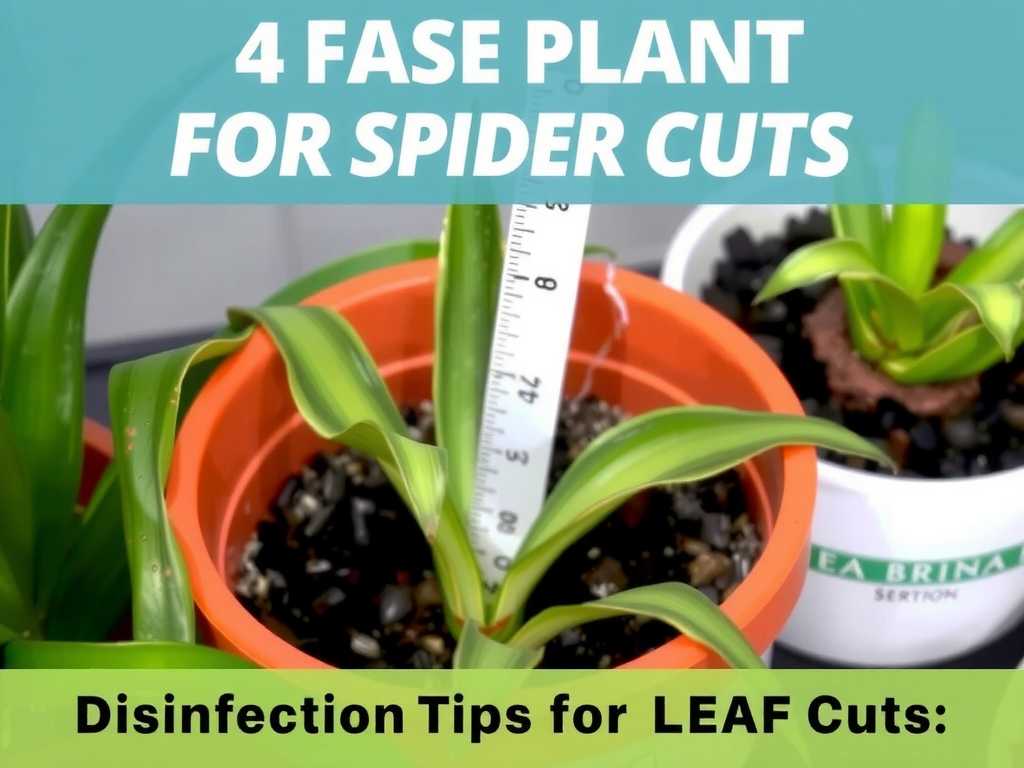
For Direct Soil Rooting: Use a fresh, well-draining potting mix. A mix designed for succulents or seed starting is excellent. Pre-moisten the soil before planting. Make a small hole with a pencil and insert the callused end of the cutting, gently firming the soil around it. This method avoids the transplant shock later but requires careful moisture management—keep the soil lightly moist, never soggy.
Common Pitfalls to Avoid in the Disinfection Process
Even with good intentions, mistakes can happen. Avoid these frequent errors:
- Skipping the Callus: Placing a freshly cut or wet disinfected end directly into water or soil traps moisture against the wound, inviting rot.
- Using Strong Chemicals: Never use undiluted bleach, alcohol, or hydrogen peroxide directly on the cut. This will kill plant cells and ensure failure.
- Contaminated Containers: Always root in clean vessels. Wash pots and glasses with soap and hot water before use.
- Over-handling: Excessive touching of the cut end with your fingers reintroduces oils and bacteria.
How long should I let the cutting callus after disinfecting? Allow the disinfected cut end to air dry until the wound looks sealed and feels dry to the touch, typically between 1 to 2 hours. A proper callus is your best defense against rot when the cutting enters a moist rooting medium.
Can I use rubbing alcohol to disinfect the cutting itself? It is not recommended to apply rubbing alcohol directly to the plant tissue. It is too harsh and can desiccate and kill the cells needed for rooting. Use it exclusively for sterilizing your tools before the cut. For the cutting, stick to gentler options like diluted hydrogen peroxide.
My disinfected cutting is still rotting in water. What went wrong? The most likely culprit is that the cutting was not allowed to form a proper callus before being placed in water. Alternatively, the water may not be changed frequently enough, allowing bacteria to multiply. Remove the cutting, trim back above the rotten section with a re-sterilized tool, repeat the disinfection and callusing steps, and place it in fresh water in a thoroughly cleaned vessel.
Successful propagation begins with a clean cut and a protected wound. By dedicating a few minutes to proper tool sterilization and leaf cut disinfection, you transform the fragile act of leaf cutting propagation into a reliable and rewarding practice. These steps empower your spider plant cutting with the best possible start, free from hidden threats, setting the stage for vigorous root development and a new, independent plant that will thrive for years to come.