bluename
 spider plant Post-Propagation Acclimatization: Shading Tips to Avoid Direct Sunlight
You’ve successfully propagated your spider plant, watching tiny roots develop in water or soil. The excitement is real. But now, as you prepare to move your new plant to its permanent home, you face a critical, often overlooked challenge: acclimatization. The most common mistake? Exposing these tender, young plants to direct sunlight too soon. This guide is dedicated to the essential shading techniques that will ensure your spider plant pups transition smoothly, avoiding the shock, scorched leaves, and stunted growth that can undo all your propagation efforts.
Understanding this process is the difference between a thriving plant and a struggling one. Let’s explore how to master post-propagation care with a focus on light management.
Why Your New Spider Plant Pup Can’t Handle Direct Sun
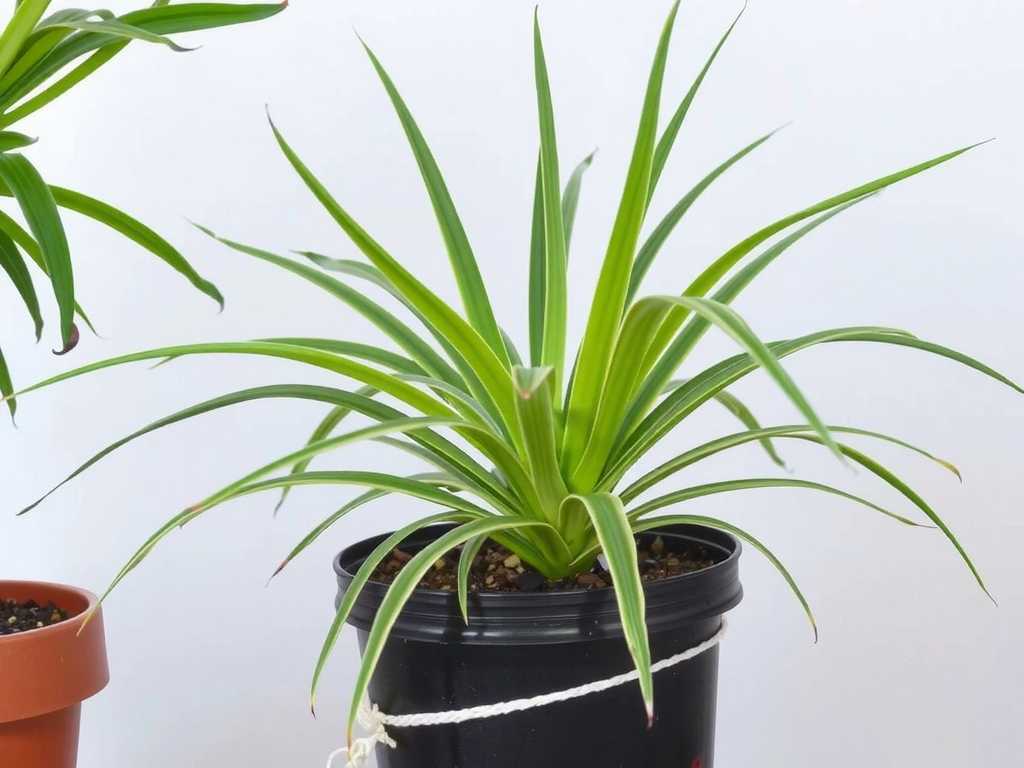
Newly propagated spider plants are in a vulnerable state. They’ve spent their early life in a controlled, often lower-light environment. Their root systems are underdeveloped, and their foliage is not yet hardened.
Direct sunlight acts as a massive stressor. It accelerates water loss through transpiration at a rate their small roots cannot replenish. The result is leaf scorch—those telltale brown, crispy tips and bleached, dry patches. According to horticulturist Dr. Linda Chalker-Scott, “Young plant tissues lack the full complement of protective compounds that mature leaves have, making them highly susceptible to photoinhibition, where light actually damages their photosynthetic machinery.” Essentially, too much sun doesn’t just burn them; it can shut down their ability to grow.
The Golden Rule: Gradual Acclimatization Over Shock
The core principle is gradual acclimatization, often called “hardening off.” This is a non-negotiable step for plants moving from water propagation to soil, or from a propagation station to a brighter windowsill. Your goal is to slowly introduce them to the light levels of their final destination over 7 to 14 days.
Abrupt change is the enemy. Think of it like going from a dark room directly into bright midday sun without sunglasses—it’s painful and damaging. Your spider plant pup feels the same way.
Practical Shading Strategies for Every Home
You don’t need special equipment. Effective shading is about clever placement and using what you have.
The Initial Recovery Zone For the first week after potting a water-propagated pup or separating a soil-based one, place it in a bright, indirect light location. A north-facing windowsill is perfect. An east-facing window, where it receives only gentle morning sun, can also work if monitored closely. This zone should feel bright to your eyes, but the sun’s rays should never directly touch the plant’s leaves.
Creating Dappled Light Conditions If your desired final spot receives some direct sun, you need to filter it. This mimics the dappled light of a forest floor.
- Sheer Curtains: A classic and highly effective solution. A lightweight white curtain diffuses harsh rays into a soft, plant-friendly glow.
- Window Films: Static-cling frosted or patterned films can be applied directly to the window pane to scatter sunlight.
- Strategic Placement: Move the plant a few feet back from a sunny window. The light intensity drops significantly with just a small increase in distance. Placing it on a shelf or stand to the side of the window, rather than directly in front, is another smart tactic.
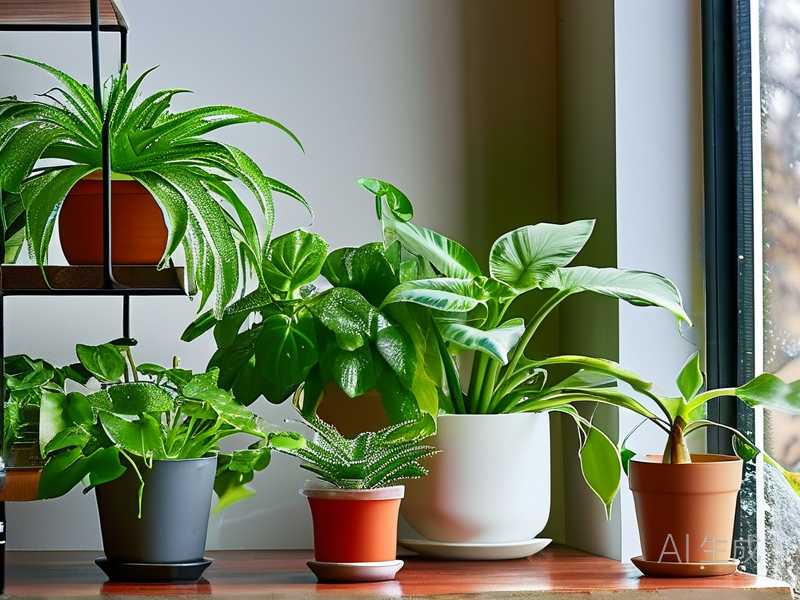
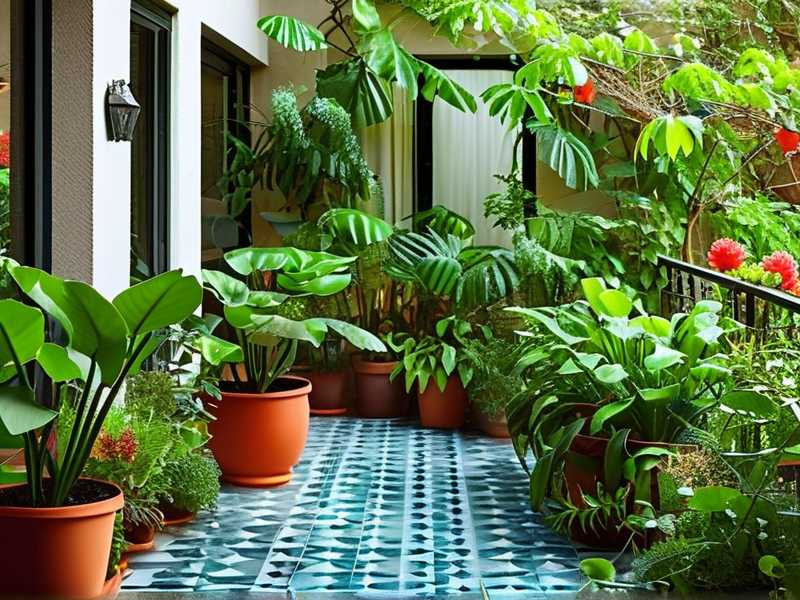
Using Other Plants as Natural Sunscreens Leverage your existing plant collection. Positioning your new spider plant behind larger, sun-tolerant foliage plants creates a natural shade canopy. A broad-leafed monstera or a tall dracaena can serve as an excellent living sun filter.
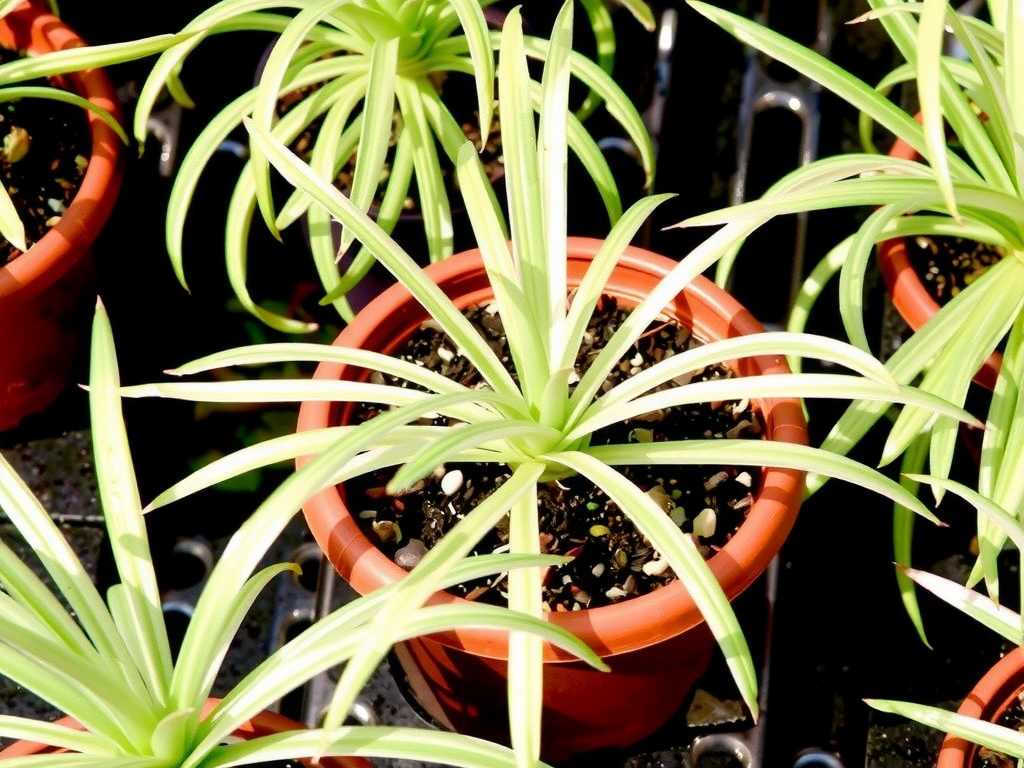
Monitoring and Adjusting: Reading Your Plant’s Signals Your plant will communicate its comfort level. Observe the leaves closely.
- Signs of Too Much Light: Leaves turning pale green or yellowish, developing brown crispy tips rapidly, or feeling limp and dry.
- Signs of Too Little Light: New growth is slow, leggy (with abnormally long spaces between leaves), and the rich variegation in varieties like ‘Vittatum’ may fade. Adjust your shading accordingly. If you see slight stress, increase the shade or move the plant further from the light source.
The Long-Term Light Balance for a Mature Spider Plant Once acclimatized over two weeks, your spider plant can tolerate more light. Mature spider plants thrive in bright, indirect light. They can handle some direct morning sun, but harsh afternoon sun should still be avoided. The right light level encourages robust growth, strong variegation, and the production of the coveted plantlets or “spiders.”
Common Questions on Spider Plant Light Care
-
Can I put my acclimatized spider plant in a low-light room? While spider plants are tolerant of lower light, they will not thrive. Growth will slow significantly, and variegated types may lose their stripes, reverting to solid green. For a healthy, fast-growing plant that produces pups, bright, indirect light remains the ideal.
-
The leaves have brown tips even though I avoid direct sun. What’s wrong? Brown tips are a classic spider plant response to stress, and light is only one factor. The most common cause is minerals and fluoride found in tap water. Try watering with distilled, rainwater, or filtered water that has sat out overnight. Low humidity can also contribute.
-
How do I know when the acclimatization period is complete? Your plant will tell you. Success is marked by consistent new growth—the emergence of fresh, green leaves from the center of the plant. The existing leaves remain firm and show no signs of further scorching or bleaching. Once you see steady, healthy growth for a week in its new spot, the acclimatization is successful.
Mastering the shading phase of post-propagation care is a simple yet profound act of plant stewardship. By prioritizing gradual acclimatization and employing smart shading techniques, you protect the investment of time and care you put into propagation. You give your young spider plant the resilient foundation it needs to mature into a lush, cascading specimen. Remember, patience with light now leads to prolific growth and an abundance of new spider plant babies later.