bluename
 spider plant Transition from Hydroponics to Soil Culture: Watering Control During Root Acclimatization Period
You’ve successfully nurtured a lush spider plant in water, watching its roots grow long and healthy. Now, you’re ready to move it to a proper pot with soil for long-term stability and growth. But this is the moment where many plant enthusiasts encounter a frustrating and common problem: the plant that thrived in water suddenly wilts, develops yellow leaves, or even rots after being potted. The culprit is almost always improper watering during the critical root acclimatization period. Transitioning a spider plant from hydroponics to soil is not just a simple matter of changing its medium; it’s about guiding its water-adapted roots to function in a completely new environment. Mastering watering control during this phase is the single most important factor for a seamless and successful transition.
This guide will walk you through the entire process, focusing precisely on the hydration strategies that bridge the gap between water and soil culture. By understanding the science behind root adaptation and following a clear, phased watering approach, you can ensure your spider plant not only survives but thrives in its new home.
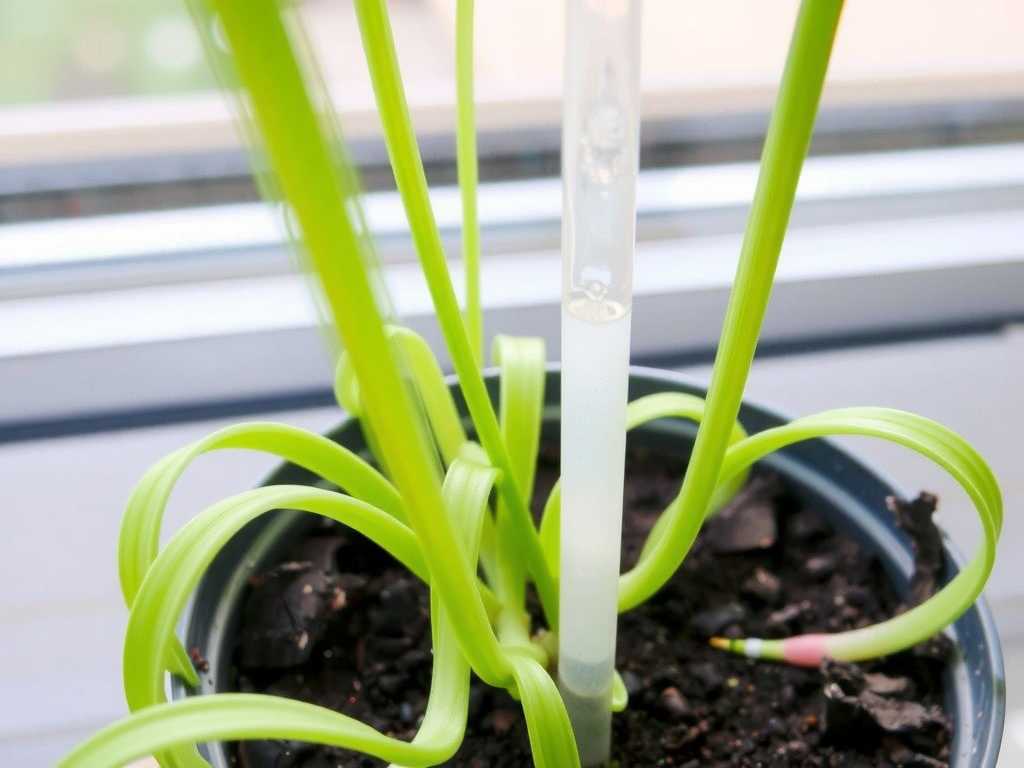
Understanding the Root of the Challenge: Hydroponic vs. Soil Roots
To water correctly, you must first understand what you’re dealing with. Roots developed in water (hydroponic roots) are fundamentally different from roots grown in soil.
Hydroponic roots are specialized for efficiency in an oxygen-rich, consistently moist environment. They are often thinner, whiter, and more numerous, with fine root hairs adapted to absorb nutrients directly from the water solution. Their primary adaptation is to high moisture and readily available oxygen from the water.
Soil roots, in contrast, are built for exploration and resilience. They are typically thicker, stronger, and develop a protective outer layer (the rhizodermis). They are adapted to seek out water and nutrients in a porous, sometimes dry, environment where air pockets are crucial for root respiration.
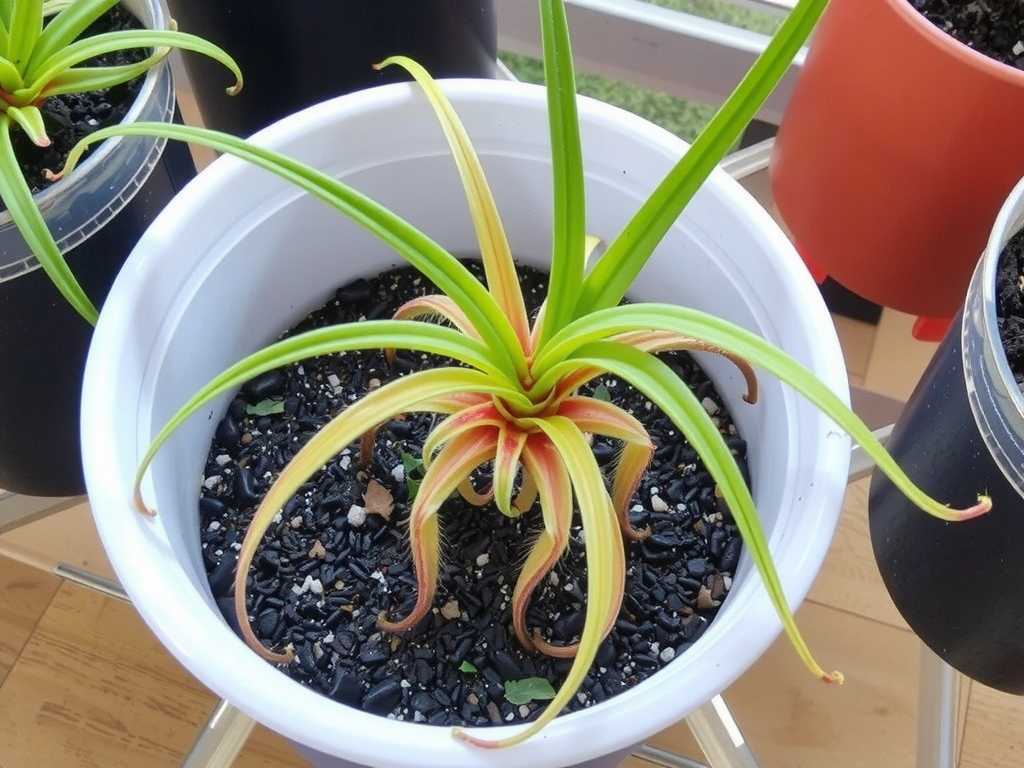
When you move a plant from water to soil, you are asking its delicate hydroponic roots to suddenly perform in a foreign and potentially stressful environment. The soil particles can feel abrasive, moisture is inconsistent, and the roots must now work harder to absorb water. The key to a successful spider plant hydroponic to soil transition is to manage this shift gently, and it all revolves around moisture and oxygen balance.
The Critical Acclimatization Period: A Phased Watering Strategy
The first 3 to 4 weeks after potting are the root acclimatization period. This is not a time for a fixed watering schedule like “once a week.” Instead, watering must be responsive and careful, following a clear phased strategy.
Phase 1: The Initial Soak (First Watering)
Your goal here is to eliminate large air pockets and ensure the soil makes good contact with the roots, providing initial moisture without drowning them.
- Potting Preparation: Use a well-draining potting mix. A standard houseplant mix amended with 20-30% perlite or coarse sand is ideal. This ensures moisture retention while preventing waterlogging.
- The Soaking Method: After gently placing your spider plant with its water roots into the pot and adding soil, water it thoroughly. Water slowly until you see it freely draining from the bottom holes. This “initial soak” settles the soil around the roots.
- Key Action: Immediately after this soak, tip the pot to a 45-degree angle over a sink to drain any excess water pooled at the bottom. The soil should be evenly moist, not soggy.
Phase 2: The “Damp-Sponge” Phase (Weeks 1-2)
In this first fortnight, think of the soil as a damp sponge. Your hydroponic roots are still the primary absorbers, and they are vulnerable.
- The Finger Test is Your Best Tool: Disregard the calendar. Every 2-3 days, insert your finger about 1-1.5 inches into the soil. The top inch should be allowed to dry slightly, but the soil beneath should remain noticeably damp to the touch, never bone dry and never wet.
- Watering Technique: When the top inch feels dry, water lightly. You are not aiming for a full soak yet. Water just enough to re-moisten the soil profile, perhaps with about 1/3 to 1/2 the volume you used for the initial soak. The goal is consistent, moderate dampness.
- Signs to Watch For: Slight wilting or drooping in the first few days is normal as the plant adjusts to reduced water availability. However, persistent wilting or yellowing at the base signals overwatering and root distress.
Phase 3: Encouraging Soil Root Growth (Weeks 3-4)
Now, you begin to gently train the plant to develop new, soil-adapted roots. You do this by slightly extending the “dry period” between waterings.
- Adjusting the Moisture Cycle: Start allowing the top 1.5-2 inches of soil to dry out before watering. This slight moisture stress signals to the plant that it needs to send out new roots to search for water deeper in the pot.
- Return to Thorough Watering: When you do water, go back to the thorough soak method—water until it drains from the bottom. This encourages roots to grow downward toward the moisture.
- The Establishment Signal: By the end of this phase, if your plant remains perky and shows signs of new leaf growth (even a small, new center spike), it indicates that new root acclimatization is underway. The plant is successfully adapting to the soil environment.
Essential Factors Influencing Watering Success
Watering cannot be isolated from the plant’s overall living conditions. Three other factors are critical partners in your watering control for acclimatizing roots.
1. Soil Composition and Drainage: As noted by horticulturist Dr. Linda Chalker-Scott, “Poorly drained soils are the leading cause of plant failure in landscapes and containers.” Your soil must drain quickly. A heavy, moisture-retentive mix will suffocate water-adapted roots. The well-draining mix recommended earlier is non-negotiable for managing moisture during the transition from water to soil.
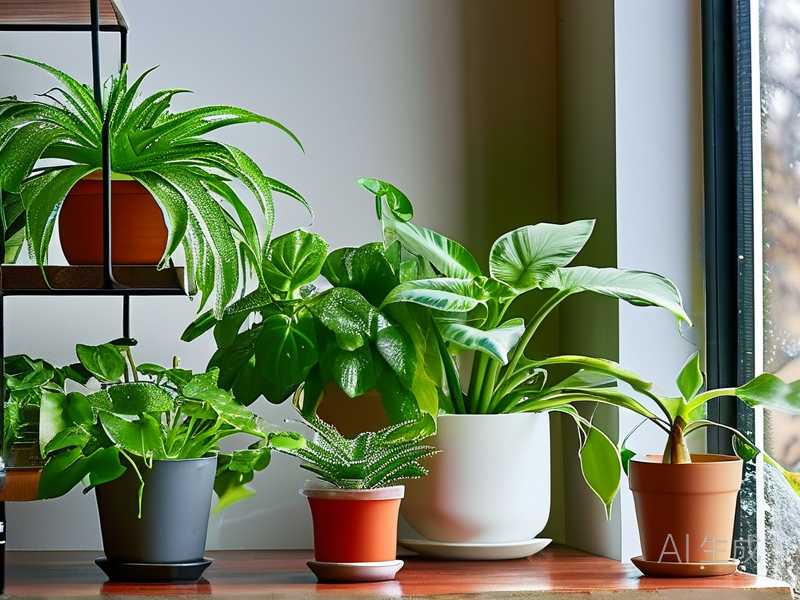
2. Pot Selection: Always choose a pot with multiple drainage holes. Terracotta pots are excellent for this transition as they are porous, allowing the soil to dry more evenly from the sides and helping prevent overwatering. If using plastic or ceramic, be extra vigilant with the finger test.
3. Environmental Conditions: Place your transitioning spider plant in bright, indirect light. Avoid direct hot sun, which can increase water loss and stress. Maintain normal room temperatures and avoid drafts. Higher humidity (above 50%) can reduce transpiration stress, making the acclimatization process smoother.
Troubleshooting: Reading Your Plant’s Signals
Even with perfect care, plants communicate. Here’s how to interpret and correct issues related to watering during acclimatization.
- Yellowing, Mushy Lower Leaves: This is the classic sign of overwatering and potential root rot. The soil is staying too wet. Action: Stop watering immediately. Let the soil dry out significantly. Check if the pot is draining properly. In severe cases, you may need to unpot the plant, trim away any black/brown mushy roots, and repot into fresh, dry mix.
- Brown, Crispy Leaf Tips: While spider plants are prone to this from fluoride, during transition it can also indicate inconsistent moisture—alternating between too dry and too wet, or simply underwatering. Action: Recalibrate your watering using the finger test to achieve consistent dampness in the early phases.
- Severe Wilting That Doesn’t Recover After Watering: This suggests root damage, likely from rot caused by overwatering. The roots can no longer absorb water. Action: Follow the steps for overwatering above. The plant may need to regrow its root system.
How long does the spider plant soil transition period typically last? The most critical period is the first 3-4 weeks, but full acclimatization where the plant is actively growing new leaves and has established a robust soil root system can take 6-8 weeks. Patience is key during this time.
Can I use a moisture meter instead of the finger test? Yes, a moisture meter can be a helpful tool, especially for beginners. However, ensure you probe at root depth (mid-pot, not just the edge). The finger test remains a reliable and immediate method to gauge soil moisture directly.
My transitioning spider plant is producing plantlets (babies). Is this a good sign? It can be a sign of a healthy, mature plant, but it also diverts energy from root establishment. For the best outcome during the acclimatization period for water-grown plants, it is often recommended to remove these offsets (you can propagate them in water!) until the mother plant is fully settled in its soil pot. This allows the plant to focus all its resources on building a strong new root system.
Moving a spider plant from a water vase to a soil pot is a rewarding project that sets it up for years of growth. Success hinges on your understanding that watering is not a routine but a responsive dialogue with your plant during its adjustment. By mimicking the security of its water roots initially with consistent dampness, then gradually introducing a more typical wet-dry cycle, you guide its roots to adapt. Remember the partnership of well-draining soil, a suitable pot, and stable environment. With this mindful approach, you’ll navigate the delicate root acclimatization period with confidence, leading to a resilient and flourishing spider plant in its new soil-based home.