bluename
 Mass Propagation of spider plants: The Ultimate Method for Batch Seedling Raising Using Runners
Have you ever looked at your thriving spider plant, admired its cascading "babies," and wondered how to turn that single plant into a lush, green army? You're not alone. Many plant enthusiasts face the challenge of wanting to multiply their favorite spider plants efficiently but feel overwhelmed by the process. They worry about low success rates, complicated setups, or simply not knowing where to start. The good news is that nature has already provided the perfect blueprint. The most effective and scalable method for achieving a true mass propagation of spider plants is by mastering the art of batch seedling raising using runners. This guide will transform you from a casual plant owner into a propagation expert, enabling you to create dozens of healthy new plants with minimal effort and maximum success.
Understanding Your Spider Plant's Natural Propagation System
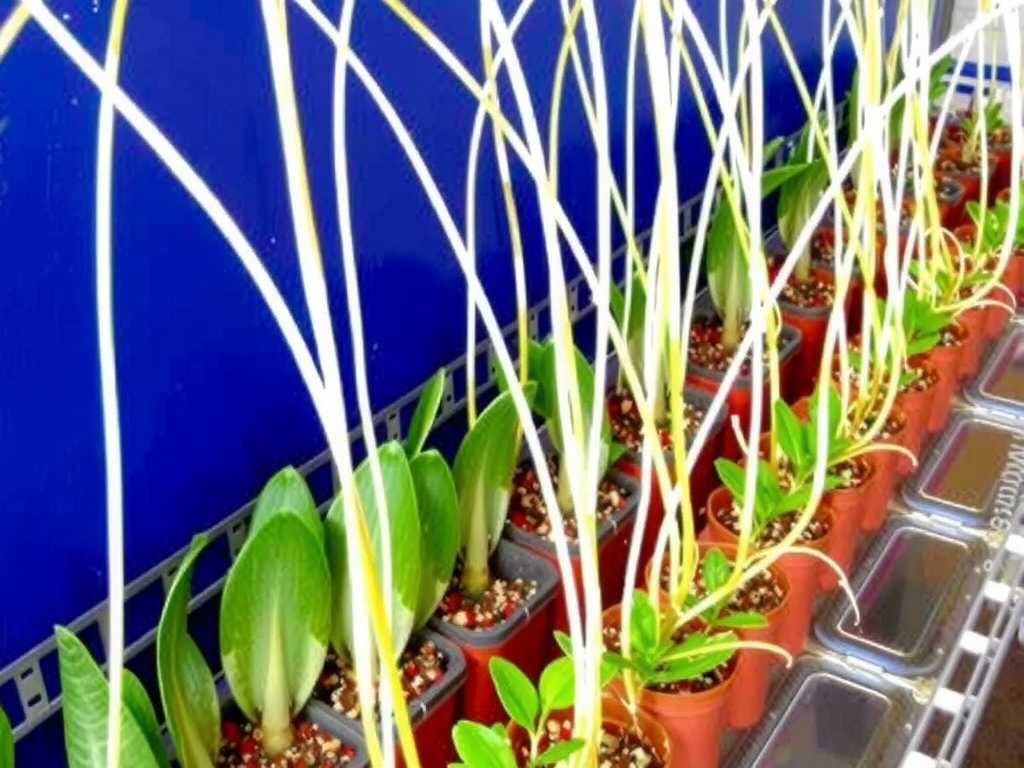
Before we dive into the batch method, it's crucial to understand the tool at your disposal: the stolon, or runner. These long, arching stems are the spider plant's primary means of reproduction in the wild. Each runner produces small plantlets, complete with nascent roots, ready to become independent plants. According to horticultural research from institutions like the Royal Horticultural Society, spider plants (Chlorophytum comosum) have evolved this highly efficient vegetative propagation strategy to colonize ground space quickly. By leveraging this natural instinct, we can orchestrate a controlled, high-yield propagation event rather than relying on sporadic, individual potting.
Essential Pre-Propagation Checklist
Success in batch seedling raising of spider plants begins long before you snip a single runner. Ensuring your mother plant is in peak condition is non-negotiable.
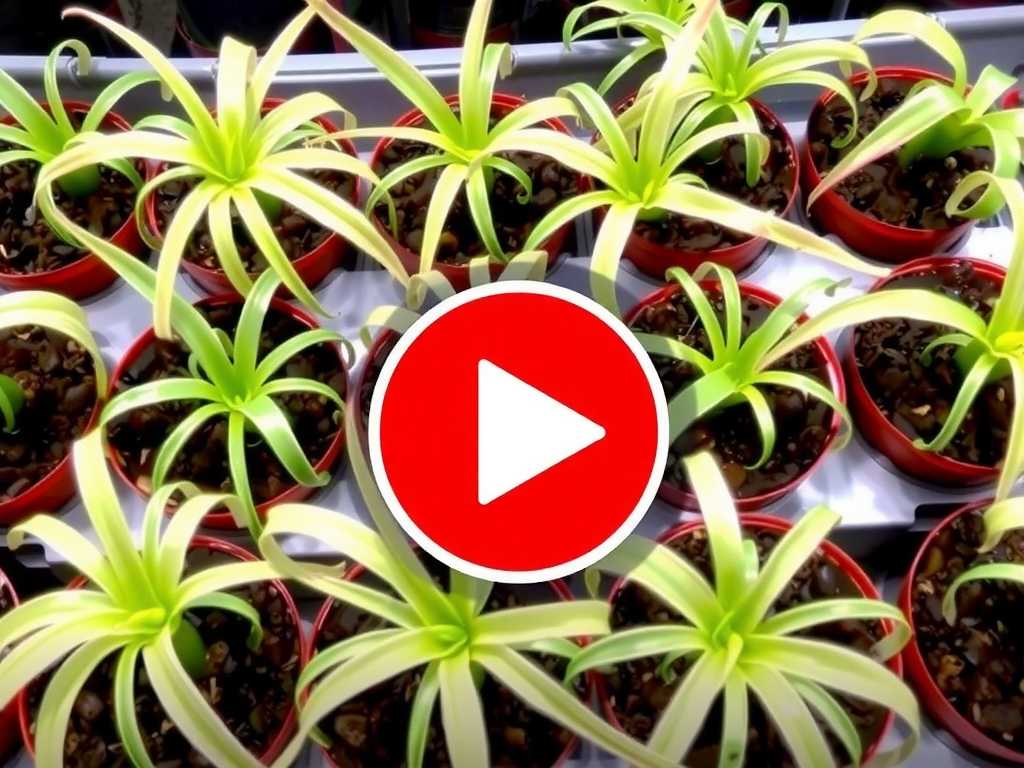
- Mother Plant Health: Start with a vigorous, disease-free parent plant. A stressed or nutrient-deficient plant will produce weaker runners and plantlets. Look for deep green, firm leaves without excessive browning at the tips.
- Optimal Nutrition: Feed your mother plant with a balanced, water-soluble fertilizer (e.g., 10-10-10) about a month before you plan to propagate. This provides the energy reserves needed to support the development of multiple runners and robust plantlets.
- Runner Maturity: Patience is key. Allow the plantlets on the runners to develop fully. A ready plantlet will have several leaves that are 2-3 inches long and, most importantly, will have started forming small, nub-like root initials at its base. This significantly speeds up the rooting process later.
The Step-by-Step Guide to Batch Propagation Using Runners
This is the core of the method for batch seedling raising using runners. We will move from preparation to potting in a systematic, repeatable way.
Phase 1: Preparation and Separation
Gather your materials: a clean tray or shallow container, fresh well-draining potting mix (a peat-perlite blend is ideal), small pots or cell trays, a sharp, sterilized pair of scissors or pruners, and a watering can with a fine rose. Carefully examine the runners. Identify the healthiest plantlets that have developed root initials. Instead of cutting each plantlet off individually immediately, we will use a two-stage process for less shock. Lay the entire runner across your preparation tray. This allows you to assess all plantlets at once and plan your batch.
Phase 2: The Rooting Stage – Soil vs. Water
You have two excellent options for initiating root growth in your batch. Both can be done simultaneously for different runners.
- The Soilless Tray Method (For Maximum Efficiency): Fill a shallow tray with a moist, soilless seed-starting mix or perlite. Gently press the base of each plantlet (while still attached to the runner) onto the surface of the medium. You can use a bent paperclip or a small piece of wire to loosely pin it in place if needed. Keep the medium consistently moist. The plantlet will draw energy from the mother plant via the runner while its roots establish in the tray. In 1-2 weeks, you'll see significant root development.
- The Individual Water Start Method: For smaller batches or demonstration, you can snip individual plantlets and place their bases in small water glasses. However, for true mass propagation, the soilless tray method is far less labor-intensive. As noted by plant propagation expert Dr. Linda Chalker-Scott, water roots differ structurally from soil roots and can experience transplant shock, making the direct-to-medium approach often more reliable for subsequent growth.
Phase 3: Separation and Potting Up
Once the plantlets have developed a healthy root system about 1-2 inches long (whether rooted in the tray or confirmed in water), they are ready for independence. Using your sterilized scissors, cut the runner, separating each now-rooted plantlet. Ensure each has its own root mass. Fill your small pots or cell trays with a standard, well-draining houseplant potting mix. Create a small hole for the roots. Plant each seedling, firming the soil gently around the base. Water thoroughly to settle the soil around the new roots.
Phase 4: Post-Propagation Care for Your Batch
Your new batch of spider plant seedlings needs a gentle start to ensure near-100% success.
- The Brooder Environment: Place all the potted seedlings together in a location with bright, indirect light. Avoid direct sun, which can scorch tender leaves and stress the new root systems.
- Humidity and Watering: Maintain consistent soil moisture but never sogginess. A light misting every few days can be beneficial, especially in dry environments, as it reduces transpiration stress while the roots fully establish in their new pots.
- The First Feeding: Wait at least 4-6 weeks before applying a diluted, half-strength liquid fertilizer. The fresh potting mix contains enough nutrients to sustain the initial growth spurt.
Troubleshooting Common Batch Propagation Issues
Even with the best method, you might encounter hurdles. Here’s how to solve them.
- Plantlets Wilting After Potting: This is usually due to root damage during separation or underwatering. Trim any severely wilted leaves, ensure the soil is adequately moist, and provide higher ambient humidity for a few days.
- Slow or No Root Development: This often traces back to immature plantlets or a weak mother plant. Reassess your source plant's health and only select the most mature offsets. Ensure your rooting medium is kept evenly moist.
- Fungal Growth (Damping Off): This is a sign of overwatering and poor air circulation. Use a sterile, well-draining medium, avoid overcrowding your seedlings, and ensure the propagation area has gentle air flow.
How long does it take for spider plant runners to produce plantlets? A healthy, mature spider plant under good light conditions can start sending out runners within a few months. The plantlets themselves will develop to a propagatable size on the runner in another 3-5 weeks.
Can I propagate a spider plant runner directly in soil without separating it? Absolutely. This is a highly effective "let it happen" method. You can pin a plantlet, still attached to the runner, onto the soil of a nearby pot. Once it has rooted firmly (in 2-3 weeks), you can then sever the runner. This is perfect for creating a fuller mother plant pot.
Why are the tips of my newly propagated spider plants turning brown? Brown tips are most commonly caused by fluoride or chlorine in tap water or low humidity. For your sensitive new seedlings, use distilled, rainwater, or tap water that has been left out overnight to allow chemicals to dissipate. This simple switch often resolves the issue.
Mastering the mass propagation of spider plants through batch seedling raising using runners is a rewarding skill that multiplies your greenery and deepens your gardening expertise. By understanding the plant's biology, preparing diligently, and following a structured batch process, you transform a single spider plant into an endless source of new life. This method is not just about quantity; it's about cultivating resilience and success, giving you the confidence to share the joy of plants with others. Start with one healthy runner, apply this systematic approach, and watch your indoor garden flourish beyond expectation.