bluename
 spider plant Mature Stump Propagation: Fertilization Tips to Promote New Shoots After Division
You've successfully divided your mature, overgrown spider plant, giving those crowded roots a new lease on life. The "stump" or mother plant now sits in fresh soil, but instead of a burst of new growth, it seems to be sitting still, perhaps even looking a little stunned. This is a common, frustrating moment for any plant enthusiast. The key to unlocking that vibrant regrowth and encouraging a fresh cascade of spiderettes lies not just in the division itself, but in the crucial care that follows—particularly, strategic fertilization. This guide is dedicated to transforming that dormant spider plant mature stump into a prolific producer of new shoots through expert, post-division fertilization techniques.
Understanding Your Plant's Post-Division State
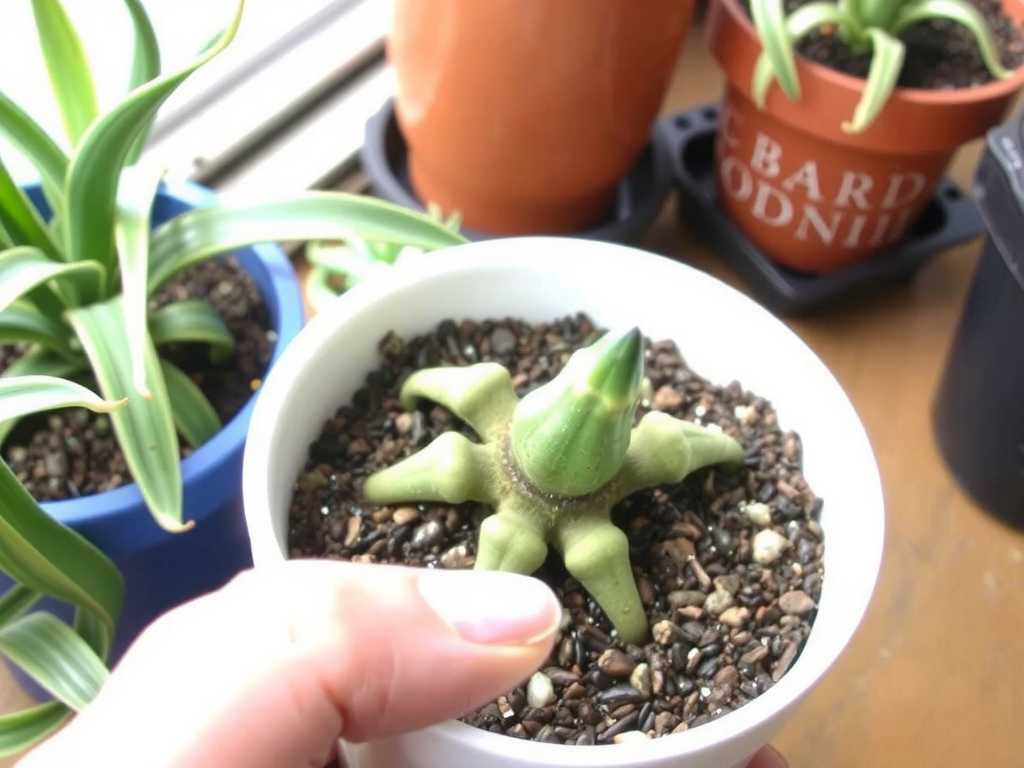
Think of division as major surgery for your plant. The mature stump has lost a significant portion of its root system and foliage. Its immediate priority is not rapid top growth, but root regeneration and wound healing. During this initial recovery phase, which typically lasts 3-6 weeks, the plant is in a vulnerable state. Applying standard-strength fertilizer now would be like forcing a patient in recovery to run a marathon; it can't process the nutrients and you risk chemically "burning" the tender new roots, causing more harm than good.
The First and Most Critical Step: The Fertilization Hold-Off
Your first action after repotting the mature stump should be to water it thoroughly to settle the soil and eliminate air pockets. Then, begin a period of nutrient restraint. Do not apply any fertilizer for the first 4 to 6 weeks post-division. This allows the plant to focus its energy on establishing its root system in its new space without the stress of processing excess salts and minerals. As noted by horticulturist Dr. Linda Chalker-Scott, "Plants in transplant shock need time to regenerate roots before they can efficiently take up nutrients." During this time, ensure the plant receives bright, indirect light and water only when the top inch of soil feels dry.
The Golden Window: Initiating a Strategic Feeding Program
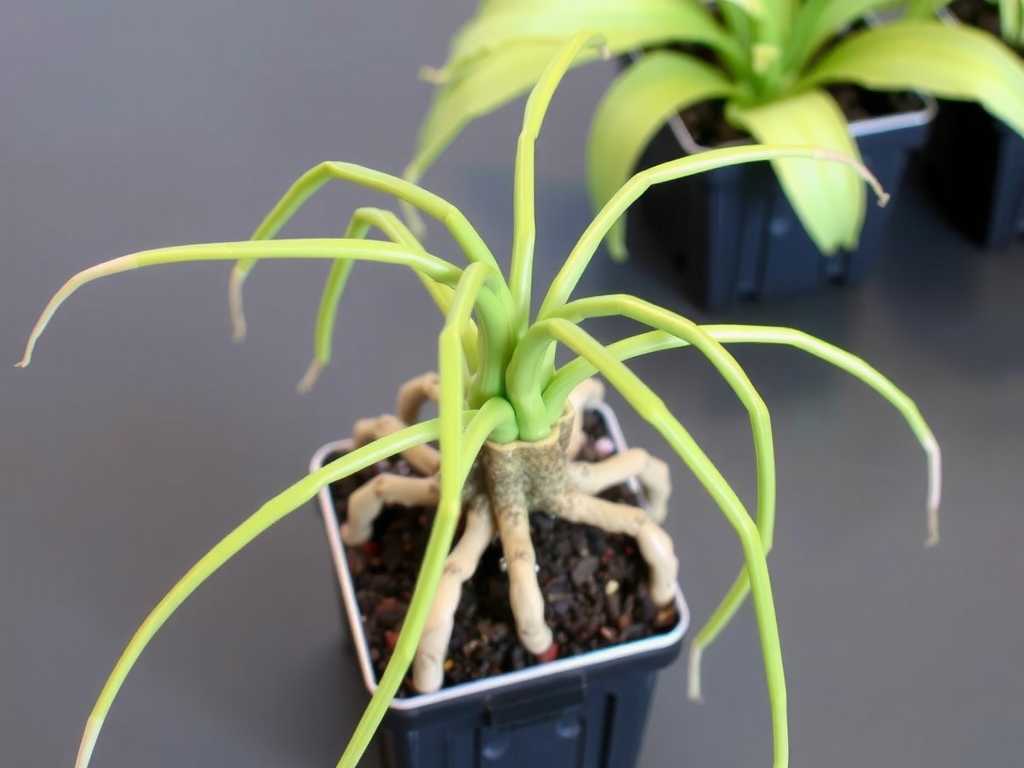
Once you see the first signs of new life—a tiny green nub emerging from the center of the stump or the appearance of a new stolon (runner)—the recovery phase is ending, and the growth phase is beginning. This is your golden window to start feeding. Your goal is to provide gentle, balanced support that encourages both root development and the prolific shooting of new foliage and plantlets.
Choosing the Perfect Fertilizer for Shoot Promotion
Not all fertilizers are created equal when it comes to promoting new shoots after division. Your spider plant stump will benefit most from a balanced, water-soluble fertilizer.
- The N-P-K Ratio is Key: Look for a balanced formula, such as 10-10-10 or 20-20-20. The "N" (Nitrogen) supports lush, green leaf growth. The "P" (Phosphorus) is crucial for strong root development and energy transfer within the plant. The "K" (Potassium) aids in overall plant vigor and disease resistance. This trio works in concert to fuel robust regrowth.
- Liquid vs. Granular: A water-soluble liquid fertilizer is ideal post-division. It's easier to control the dosage and provides immediately available nutrients to the still-developing root system.
- The Organic Option: Worm castings or a diluted fish/seaweed emulsion are excellent organic choices. They provide a gentle, broad spectrum of nutrients and beneficial microbes that enhance soil health, which in turn supports healthy growth after plant division.
How to Fertilize for Maximum Effect
The mantra here is "weakly, weekly." Aggressive feeding will backfire.
- Dilute, Dilute, Dilute: Always dilute your fertilizer to half or even a quarter of the strength recommended on the package label. Your plant's root system is still rebuilding and is more sensitive.
- The Soak Method: Apply the diluted fertilizer solution to moist soil. Never fertilize a completely dry stump, as this concentrates salts against the roots. Water the plant lightly first if the soil is dry.
- Frequency: A consistent, light feeding schedule is better than occasional heavy doses. During the active growing seasons (spring and summer), fertilizing every 4 weeks is sufficient. In fall and winter, cease fertilization entirely as plant growth naturally slows.
- Flush the Soil: Every 3-4 months, water your spider plant thoroughly until water runs freely from the drainage holes. This helps flush out any accumulated fertilizer salts that could hinder root function and new shoot development.
Advanced Tips to Supercharge New Growth
Beyond basic feeding, a few extra steps can create the ideal environment for your stump to thrive.
- Light is a Co-Factor: Fertilizer is not a substitute for sunlight. Place your recovering stump in a location with plenty of bright, indirect light. This provides the energy needed to utilize the nutrients you're providing, directly influencing the speed and number of new shoots.
- Patience and Observation: Each plant recovers at its own pace. Monitor your plant's response. Dark green, firm leaves and visible new growth are signs of success. Yellowing leaf tips can be a sign of over-fertilization or fluoride in water—consider using distilled or rainwater.
- Avoid Common Pitfalls: The most common mistake is over-fertilization in a bid to "help" the plant. Signs include a white crust on the soil surface, brown leaf tips, and stunted growth. When in doubt, err on the side of underfeeding.
My spider plant stump has no growth after two months. What should I do? First, check the basics: is it getting enough indirect light? Is the soil kept consistently moist but not soggy? Gently investigate the base for any signs of rot (mushy, brown stems). If all seems well, ensure it's not in a dormant period (winter). You can try a very diluted, single application of a phosphorus-rich fertilizer to gently stimulate root and shoot growth, but patience is often the primary remedy.
Can I use rooting hormone on the mature stump to help? While rooting hormone is typically used on cuttings, it is not necessary or particularly beneficial for a mature stump that already has an established, albeit reduced, root system. Your focus should be on providing balanced nutritional support rather than root initiation hormones. The plant's energy is best directed towards generating new shoots from its existing crown.
How long until I see new spiderettes (babies) after division? A healthy, well-fed mature stump will typically begin producing new stolons and plantlets within one to two growing seasons after division. The initial energy is invested in rebuilding its own foliage and root mass. Once it feels robust and established, usually by the next spring or summer, it will confidently start sending out runners to reproduce. Consistent, gentle fertilization is the key to reaching this milestone.
Witnessing a divided spider plant mature stump surge back to life is incredibly rewarding. The process hinges on understanding its needs: a period of rest followed by a disciplined, gentle feeding regimen. By withholding fertilizer initially, then introducing a balanced, diluted formula at the right moment, you provide the precise support your plant craves. Combined with optimal light and careful watering, this approach doesn't just help your plant survive—it sets the stage for a lush, thriving specimen that will soon be overflowing with new shoots and cascading spiderettes, making your propagation effort a complete success.