bluename
 The Ultimate Guide to Disinfecting Tools for spider plant Propagation: Alcohol vs. Boiling Water
You’ve carefully selected your healthiest spider plant, chosen the perfect pup for propagation, and are ready to make the cut. But wait—have you properly disinfected your scissors? This single, often overlooked step can mean the difference between a thriving new plant and a propagation failure due to bacterial or fungal infection. Using unclean tools is one of the most common, yet preventable, mistakes in plant propagation. This guide dives deep into the essential spider plant propagation tools disinfection methods, comparing two popular approaches: using alcohol and boiling water. We’ll equip you with the knowledge to protect your plants and ensure successful, healthy growth every time.
Why Disinfection is Non-Negotiable in Plant Propagation
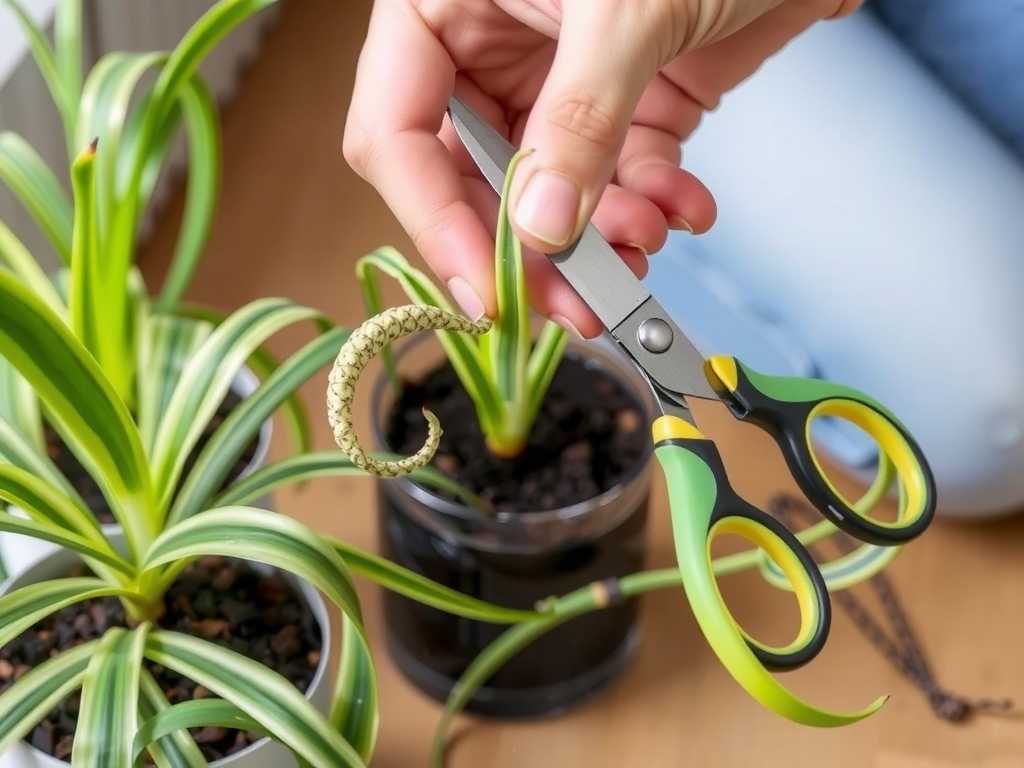
Every time you make a cut on a plant, you create an open wound. This wound is an entry point not just for roots to form, but also for pathogens like bacteria, fungi, and viruses. These microorganisms, invisible to the naked eye, can hitch a ride on your pruning shears, scissors, or knife from a previous plant or even from the soil.
Introducing an infection can cause the cutting to rot at the base—a condition often called “damping off”—before it ever has a chance to root. According to a study in the Journal of Phytopathology, unclean tools are a leading vector for the spread of plant diseases in home gardening settings. Disinfecting your spider plant propagation tools is a simple act of preventative care. It safeguards the mother plant from potential back-transferred issues and gives the new pup the cleanest possible start in life. Think of it as basic surgery hygiene, but for your plants.
Essential Tools for Propagating Spider Plants
Before we discuss how to clean them, let’s identify the key tools you’ll need. The primary tool is a sharp cutting instrument. You can use:
- Precision Pruning Snips: Ideal for cleanly cutting through the stolon (runner) connecting the pup to the mother plant.
- Sharp Scissors: A good pair of fine-pointed scissors works perfectly for most indoor propagation jobs.
- Sterile Knife: Useful for dividing large, mature spider plants at the roots.
The critical factor for all these tools is sharpness. A dull blade crushes and tears plant tissue, creating a larger, ragged wound that is slower to heal and more susceptible to infection. A sharp blade makes a clean, smooth cut that heals faster. Your secondary tools include containers for water or soil, and of course, your chosen disinfecting agent.
Method 1: Disinfecting with Rubbing Alcohol (Isopropyl Alcohol)
Rubbing alcohol, typically 70% isopropyl alcohol, is the gold standard for quick, effective tool disinfection in horticulture. Its popularity stems from its efficiency and ease of use.
How to Do It Correctly:
- Wipe away any visible sap or plant debris from your scissors with a clean cloth or paper towel.
- Pour a small amount of 70% isopropyl alcohol into a shallow container or soak a cotton ball.
- Immerse the cutting blades of your tools in the alcohol or wipe them down thoroughly, ensuring the liquid contacts all surfaces.
- Let the tools air dry completely for 30-60 seconds. The alcohol will evaporate, leaving behind a sterilized surface ready for use.
Why 70% Alcohol Works Best: Contrary to intuition, 70% alcohol is more effective for disinfection than 90% or 99%. Higher concentrations evaporate too quickly to adequately penetrate microbial cell walls. 70% alcohol has the perfect balance of water and alcohol to break down proteins and lipids, effectively killing bacteria, fungi, and many viruses on contact.
Pros and Cons for Spider Plant Propagation:
- Pros: Extremely fast (under a minute). Highly effective against a broad spectrum of pathogens. No residue left behind. Convenient for use between multiple cuts on the same plant or when propagating several plants in succession.
- Cons: Requires keeping alcohol on hand. Can be drying to the skin with frequent use. Flammable, so must be stored safely. For the home propagator, the pros overwhelmingly outweigh the cons, making this the most recommended method.
Method 2: Disinfecting with Boiling Water
Boiling water is a classic, heat-based physical disinfection method. It’s a great alternative if you don’t have rubbing alcohol available.
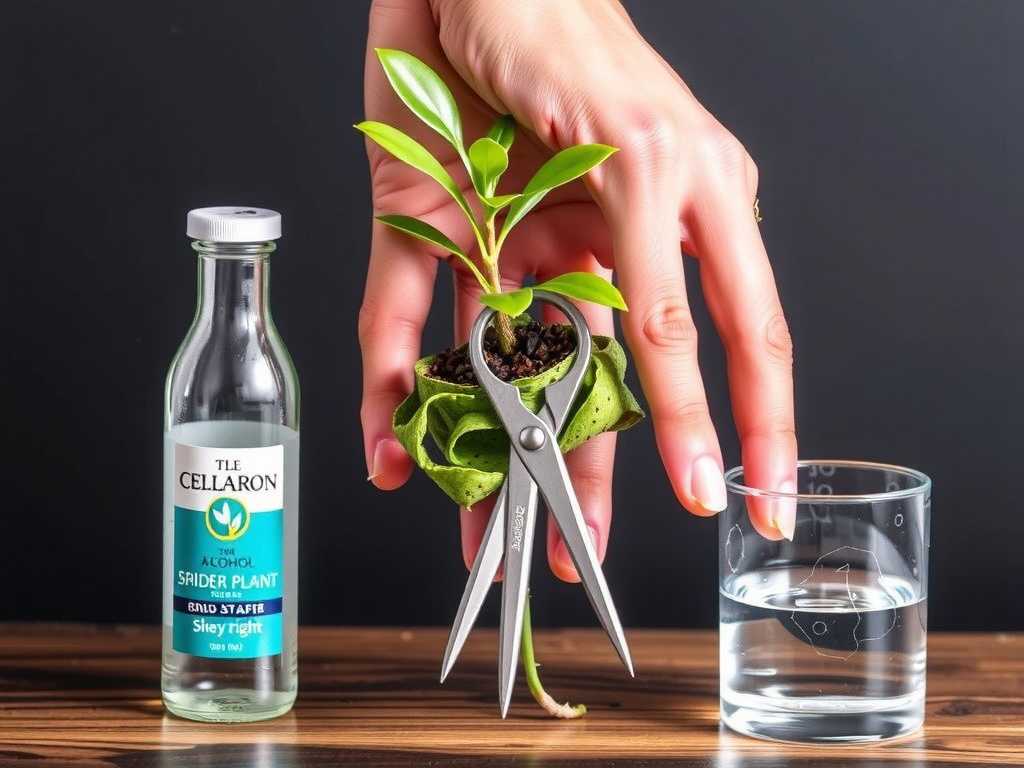
The Step-by-Step Process:
- Use a pot or kettle to bring water to a full, rolling boil.
- Using tongs for safety, fully submerge the cutting blades of your scissors or shears in the boiling water.
- Maintain the submersion for a full 5 minutes. This sustained heat is necessary to ensure pathogen elimination.
- Carefully remove the tools with tongs and place them on a clean, unused paper towel to cool and dry completely before use.
Understanding the Science of Heat Disinfection: Boiling water works by denaturing the proteins and enzymes that microorganisms need to survive. Most common plant pathogens cannot withstand temperatures at or above 212°F (100°C) for an extended period. The five-minute timeframe ensures that the heat penetrates fully to all surfaces of the metal tool.
Pros and Cons for the Home Gardener:
- Pros: Uses a readily available household item (water). No chemical involvement, which appeals to some gardeners. Effective when the process is followed correctly.
- Cons: Much slower process than using alcohol. Presents a burn risk from steam and hot water and hot tools. Can potentially damage tools with wooden or plastic handles over time. The waiting time for cooling can interrupt your workflow.
Head-to-Head Comparison: Which Method Should You Choose?
So, for disinfecting your scissors for spider plant propagation, which method wins? The answer depends on your priorities: convenience or accessibility.
Effectiveness: Both methods, when performed correctly, are highly effective at killing pathogens that threaten spider plant pups. Alcohol offers a broader spectrum kill, including some viruses that heat may not affect, but for common bacterial and fungal issues, both are excellent.
Speed and Convenience: Alcohol is the clear winner. The entire process from wipe-down to ready-to-use takes about one minute. Boiling water requires setup, boiling time, a 5-minute soak, and a cooling period, easily taking 15-20 minutes total.
Safety and Tool Care: Boiling water poses a higher immediate physical risk (burns). Alcohol is flammable and should be used in a well-ventilated area. For tool longevity, alcohol is gentler, especially on tools with composite materials.
Expert Recommendation: Most horticulturalists and extension services, such as those from university agricultural departments, recommend 70% rubbing alcohol as the standard for home garden tool disinfection. Its combination of speed, proven efficacy, and ease of use makes it the most practical choice for routine disinfection of propagation tools. Boiling water is a perfectly valid backup method when alcohol is not available.
Best Practices for a Successful Propagation Workflow
- Disinfect Before Every Major Cut: Get into the habit of disinfecting your tools before you start a new propagation project and between plants if you are working with multiple species.
- Keep Tools Sharp and Dedicated: Regularly sharpen your propagation scissors. Consider keeping a pair dedicated solely to plant care to avoid cross-contamination from other household uses.
- Combine with Overall Cleanliness: Use clean pots and fresh potting mix. Wash your hands before handling cuttings. This holistic approach minimizes all risk factors.
- Immediate Post-Cut Care: After making your clean cut, place the spider plant pup in fresh water or moist soil immediately to prevent the wound from drying out and to callous over in a clean environment.
By integrating a simple, 60-second disinfection step into your process, you dramatically increase the success rate of your spider plant propagation. It’s a small investment of time that yields healthy, robust plants for years to come.
Can I use household bleach to disinfect my plant scissors? Yes, but with caution. A solution of 1 part household bleach to 9 parts water can be very effective. Soak tools for 5 minutes, then rinse thoroughly with clean water and allow to dry. However, bleach is corrosive to metal and can damage tools over time, and the fumes are strong. For most, alcohol is a safer and more tool-friendly option.
Do I need to disinfect my tools if I’m only cutting one healthy plant? Absolutely. Even a healthy plant can harbor latent pathogens on its surface that are introduced into the vascular system through a cut. Furthermore, disinfection removes general dirt and sap that can hinder a clean cut. It’s a best practice every single time.
How often should I disinfect my tools during a single propagation session? For propagating multiple pups from the same healthy mother spider plant, disinfecting once at the start of the session is generally sufficient. However, if you are cutting through any tissue that looks questionable (soft, discolored), disinfect your tools again immediately after that cut before moving to another part of the plant to prevent spreading a potential issue.
Choosing the right disinfection method empowers you to take control of your plant’s health from the very first snip. Whether you opt for the swift efficiency of rubbing alcohol or the accessible simplicity of boiling water, the act itself is what matters most. By making tool hygiene a non-negotiable part of your gardening ritual, you create the foundation for endless successful spider plant propagations, turning a single plant into a thriving collection.