bluename
 spider plant Propagation Humidity: Tips for Drilling Ventilation Holes When Covering with Plastic Wrap
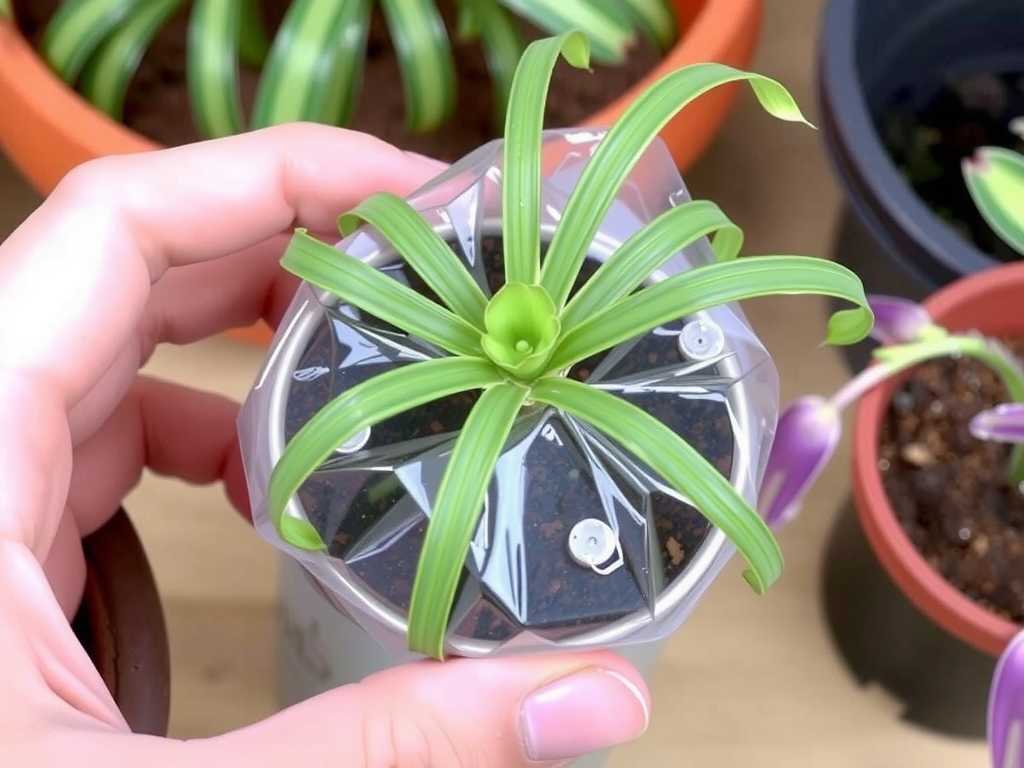
You’ve carefully snipped your spider plant babies, potted them in fresh soil, and tented them with plastic wrap to lock in that precious humidity. It’s the classic trick for successful spider plant propagation. But days later, you peek under the dome to find not thriving roots, but a scene of despair: mold fuzzing on the soil, leaves turning to mush, and a general sense of rot. What went wrong? The culprit is often too much of a good thing. While maintaining high humidity is crucial, creating a completely sealed, stagnant environment is a death sentence for your cuttings. The missing element is airflow. This guide dives deep into the critical practice of drilling ventilation holes in your plastic wrap cover, transforming it from a potential coffin into the perfect propagation greenhouse.
Understanding the Humidity-Airflow Balance for Spider Plantlets
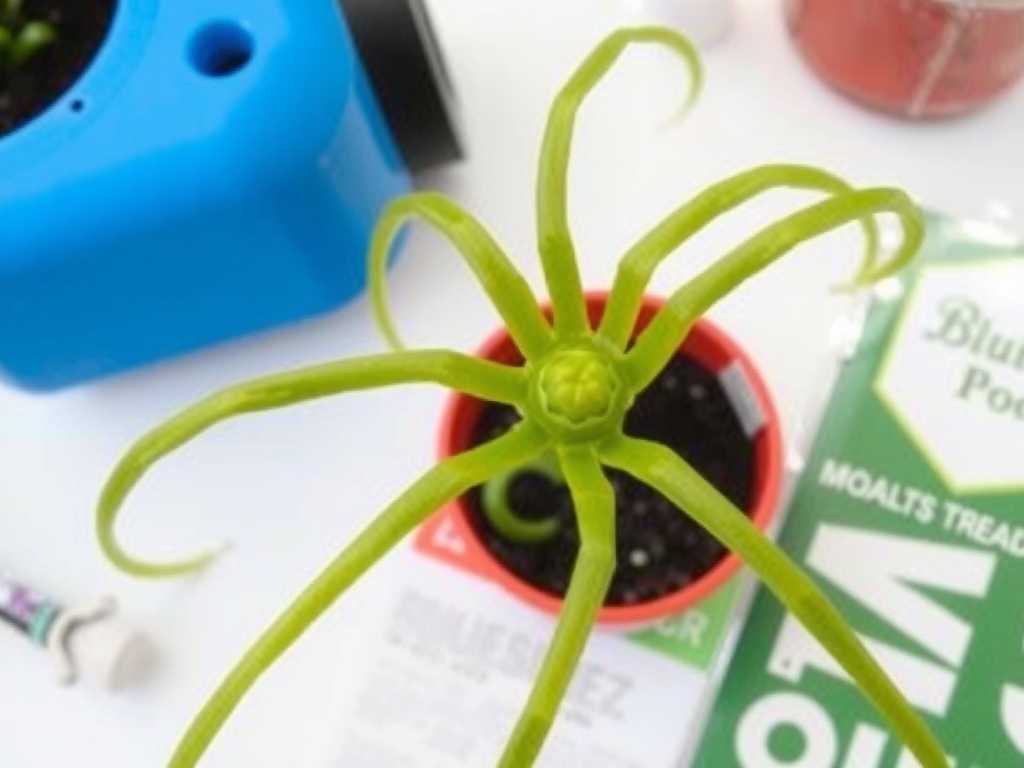
Spider plants (Chlorophytum comosum) are remarkably resilient, but their offspring, the spider plantlets or pups, are vulnerable during propagation. They lack established root systems to take up water, so they rely on ambient moisture to prevent desiccation. A plastic wrap cover creates a microclimate, slowing evaporation and keeping the cuttings hydrated.
However, plants don’t just need water; they need to breathe. Stagnant, super-saturated air becomes a breeding ground for fungal pathogens like botrytis and damping-off diseases. Furthermore, a complete lack of air exchange allows ethylene gas and excess oxygen to build up around the cutting, which can inhibit root development. The goal isn’t to create a tropical rainforest, but a gently humid and fresh environment that encourages rooting without promoting decay. This is where strategic ventilation becomes non-negotiable.
Why Drilling Holes Beats Loosely Draping Plastic
Many gardeners simply drape plastic loosely over the pot. While this allows for some air exchange, it fails to provide consistent humidity control. The moisture escapes unevenly, often leading to dry spots and wet spots. Drilling or creating specific holes in a snugly placed wrap offers superior control. You manage the exact level of ventilation, ensuring humidity remains high and uniform while allowing a deliberate, gentle exchange of air. According to horticultural best practices outlined by institutions like the Royal Horticultural Society, controlled ventilation is key for preventing disease in any covered propagation setup.
Your Toolkit for Creating the Perfect Ventilated Cover
You don’t need specialized equipment. Here’s what works best:
- Plastic Wrap: Standard kitchen cling film is perfect. It’s clear, flexible, and holds humidity well.
- Hole-Creation Tools:
- A Hole Punch: The single best tool for the job. It creates clean, uniform holes without tearing the plastic.
- A Sharp Pencil or Skewer: Ideal for poking small, precise holes. Warm the tip slightly (with a flame, carefully) to melt through the plastic cleanly and prevent ragged edges.
- Scissors or a Craft Knife: Can be used to cut small ‘X’ shapes or slits, which offer slightly more adjustable ventilation.
- Support System: Chopsticks, pencils, or small garden stakes. These prevent the plastic from sagging onto the cuttings, which can cause rot and stick to tender new leaves.
A Step-by-Step Guide to Drilling Ventilation Holes
Follow this process to set up your propagated spider plants for success.
Step 1: Prepare and Pot Your Spider Plant Cuttings Start with healthy spider plant pups. Plant them in a well-draining potting mix within a clean pot. Water the soil thoroughly until it is evenly moist but not waterlogged. This initial moisture is what your cover will help conserve.
Step 2: Create a Support Framework Insert your stakes or chopsticks around the perimeter of the pot, ensuring they are taller than the cuttings. This creates a tent frame.
Step 3: Measure and Cut the Plastic Wrap Tear off a sheet of plastic wrap large enough to drape over the frame and tuck under or loosely around the pot’s base, leaving one side slightly easier to lift for checking moisture.
Step 4: Strategically Drill or Punch the Holes Lay the plastic sheet flat on a cutting mat or cardboard. This is the critical step. Using your chosen tool, create ventilation holes.
- Pattern: Aim for 5-8 small holes (about 1/8 inch or 3mm in diameter) distributed across the top third of the plastic sheet. Avoid placing holes directly over where the center of the plant will be, as this can create a direct draft.
- Why This Pattern: Holes at the top allow warm, moist air to rise and escape slightly, drawing in a tiny amount of fresher air from the bottom edges. This creates a very gentle convection current without creating a drying draft directly on the leaves.
Step 5: Secure the Ventilated Cover Drape the pre-holed plastic over your frame and secure it. The goal is a mostly sealed environment, not an airtight one. The holes are now your built-in ventilation system.
Monitoring and Adjusting Your Propagation Environment
Your job isn’t over once the cover is on. Monitor the environment closely:
- Condensation is Key: You should see light condensation on the inside of the plastic. This indicates good humidity. If condensation is heavy and drips constantly, you may need a few more holes or to slightly enlarge existing ones. If there’s no condensation, the soil may be too dry, or there may be too many holes.
- The Lift and Check Method: Every 2-3 days, briefly lift the cover to feel the soil. It should remain consistently moist, not wet. This quick airing-out also provides a burst of fresh air.
- Signs of Trouble: Mold on soil surface: Immediately increase ventilation by adding a few more holes and reduce watering frequency. Cuttings wilting or drying: Ensure the soil is moist and consider temporarily sealing one or two holes until humidity rebounds.
When to Remove the Plastic Cover Entirely
The cover is a temporary aid. Once you see significant new growth, typically 1-2 new leaves emerging from the center of the pup, or if you gently tug the plant and feel resistance (indicating root growth), it’s time to start acclimating the plant to normal room humidity. Do this gradually over 5-7 days: start by making several more holes, then prop one edge open permanently, and finally remove the cover for longer periods each day.
How many holes should I start with for a standard 6-inch pot? Begin with 5-6 small holes, each about the diameter of a pencil lead. It’s easier to add more holes later if you notice excessive condensation or mold than to fix cuttings that have dried out from too much ventilation.
Can I use a plastic bag instead of plastic wrap, and how do I ventilate it? Absolutely. A clear plastic bag is a great alternative. Use the same hole-punching technique on the top and upper sides of the bag. Alternatively, you can leave the very top of the bag loosely open and folded over, which creates natural air exchange without the need for precise holes.
My cuttings rotted even with holes. What did I do wrong? The most common issue is overwatering before covering. The soil should be moist, not soggy. Combined with the humidity under the wrap, wet soil creates a swampy environment that holes alone cannot fix. Ensure your potting mix is fast-draining and that you water sparingly at the setup stage.
Mastering spider plant propagation hinges on balancing moisture with air. Drilling deliberate ventilation holes in your plastic wrap cover is the simple, often-overlooked technique that makes all the difference. It transforms a static, risky environment into a dynamic, nurturing space where roots can thrive without threat. By controlling humidity and airflow, you provide the perfect foundation for your spider plant babies to establish themselves and grow into robust, air-purifying companions.