bluename
 spider plant Propagation Ventration: Control of Window Opening Frequency to Avoid Root Suffocation
You've carefully placed your spider plant babies in water or soil, eagerly awaiting those first signs of new root growth. But instead of thriving, the cuttings seem sluggish, the soil stays soggy for days, or worse, a foul smell hints at rot. The culprit is often invisible yet critical: poor air circulation during propagation. While light and moisture get all the attention, the role of fresh air—specifically, managing ventilation through strategic window opening—is the unsung hero for preventing root suffocation and ensuring robust growth. Mastering spider plant propagation ventilation is the key difference between successful propagation and disappointing failure.
This guide will demystify how to control airflow around your propagating spider plants, with a special focus on the often-overlooked factor of window opening frequency. We'll move beyond vague advice and provide a clear, actionable framework to create the ideal environment for your plantlets to develop strong, healthy roots without the risk of drying out or stagnating.
Why Ventilation is Non-Negotiable for Propagating Spider Plants
Propagation is a vulnerable time for plants. A cutting, separated from its parent, is working hard to regenerate roots. This process requires oxygen at the root zone. In stagnant, humid air—common in a closed-up propagation station—several problems arise:
- Root Suffocation: Roots, whether developing in water or soil, respire. They require oxygen to convert sugars into energy for growth. In water propagation, still water quickly loses its dissolved oxygen. In soil, overly wet, compacted media lacks the air pockets necessary for root breathing. Without adequate gas exchange, root development stalls or the roots die and rot.
- Fungal and Bacterial Growth: Stagnant, moist air is the perfect breeding ground for fungi like gray mold (Botrytis) and damping-off pathogens. These can quickly wipe out tender spider plant propagules before they even have a chance.
- Weak Structural Development: Gentle air movement encourages the plant to develop slightly stronger, more resilient tissues. It's a natural, subtle stress that signals the plant to fortify itself, leading to sturdier growth once transplanted.
Simply put, ventilation prevents rot, encourages strong root growth, and builds hardier plants. It's not about creating a windy draft, but about facilitating a gentle, consistent exchange of gases.
The Core Principle: Balancing Humidity and Fresh Air Exchange
The central challenge in propagation is maintaining high humidity around the leaves to prevent the cutting from drying out, while simultaneously ensuring fresh air reaches the root zone to prevent suffocation. This is where your window becomes a primary tool.
A constantly open window might dry out the cuttings. A permanently closed window invites stagnation. The solution is a managed, rhythmic approach to controlling window opening frequency.
Understanding Your Propagation Environment
Before setting a schedule, assess these factors:
-
Propagation Method:
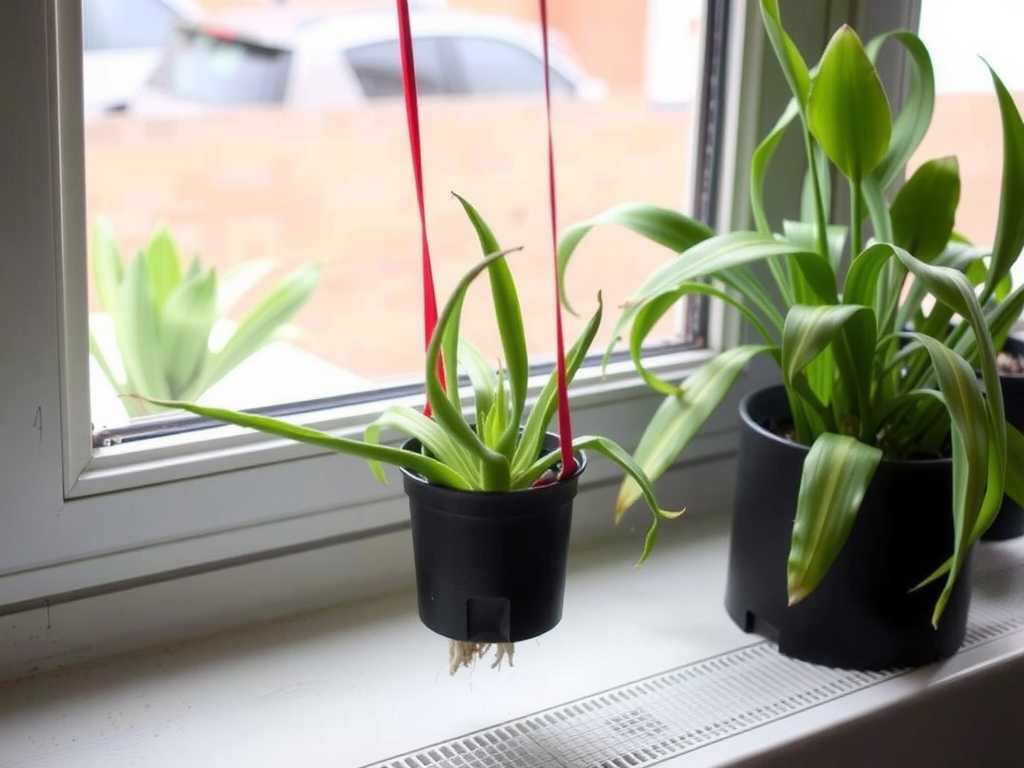
- Water Propagation: Cuttings in jars need less concern about soil moisture but more vigilance about water freshness. Stagnant water deoxygenates rapidly.
- Soil Propagation: Cuttings in pots require a balance where the soil surface can dry slightly while the rooting zone remains lightly moist. Stagnant air keeps the surface wet for too long.
-
Season and Climate:
- Spring/Summer: Warmer temperatures increase evaporation and plant metabolism. Air exchange can be more frequent.
- Fall/Winter: Cooler temperatures and lower light levels slow growth and evaporation. Less frequent ventilation is needed, but it's still essential to avoid cold, damp conditions.
-
Room Conditions: Is the room naturally humid (like a kitchen) or dry (like a room with central heating)? This dictates how much window opening will affect ambient humidity.
A Practical Guide to Controlling Window Opening Frequency
Here is a actionable framework for managing window opening for plant propagation. This is not a rigid timetable but a principle-based approach.
The Daily Cycle Method:
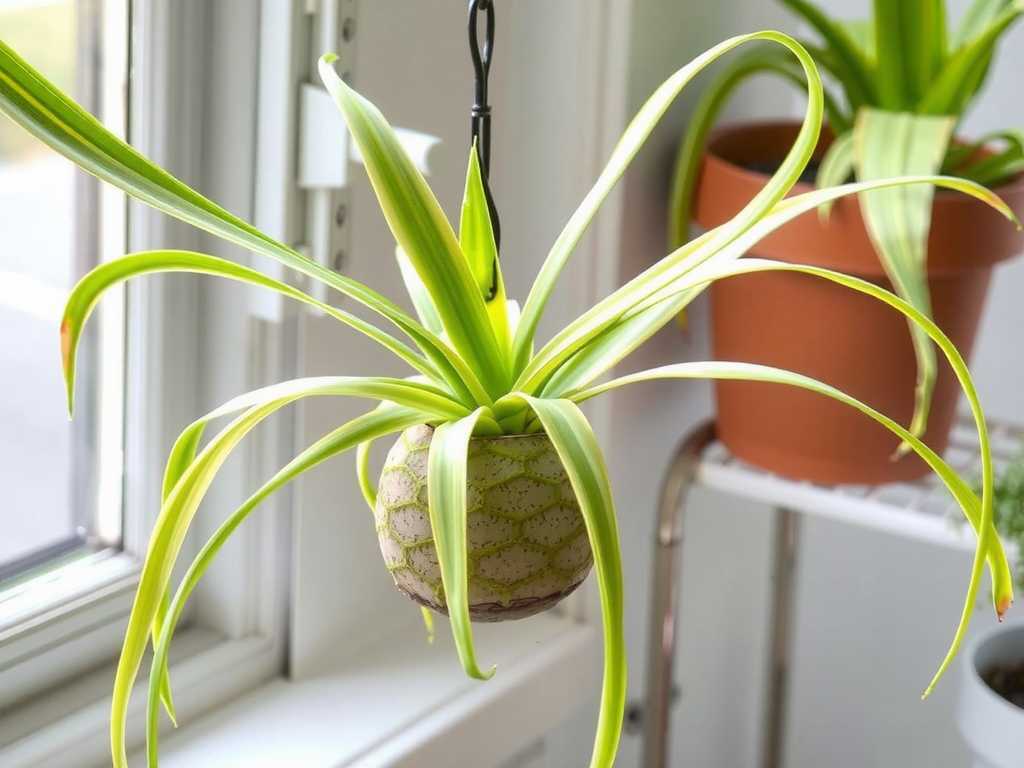
- Morning Ventilation (Recommended): Open the window for 1-2 hours in the late morning. Why? Overnight, plants respire, releasing moisture and depleting oxygen around them. Morning opening flushes out this stagnant air, introduces fresh carbon dioxide for photosynthesis, and allows gentle morning sun (if available) to warm the space without harsh heat.
- Midday Check: On warm, bright days, if the propagations are in direct sun, ensure they are not overheating. A slightly cracked window can prevent a miniature greenhouse effect.
- Evening Closure: Close the window before temperatures drop significantly in the evening. This traps some daytime warmth and prevents a sudden chill, which can shock tender cuttings.
Frequency Based on Signs and Seasons:
- High-Risk Scenarios (Increase Frequency to 2x Daily):
- Signs of Excess Moisture: Condensation constantly on the inside of a propagation dome or the glass of a water jar.
- Slow or No Growth: If roots are taking weeks longer than expected (4-6 weeks is typical for spider plants), increased air flow can stimulate development.
- Hot, Humid Weather: To counteract muggy external air, use shorter, more frequent openings (e.g., 30 minutes, twice a day) to move air without dramatically raising humidity.
- Low-Risk Scenarios (Maintain 1x Daily or Reduce):
- Early Stages (First 7-10 days): Cuttings are most vulnerable to drying. A daily 1-hour opening is often sufficient.
- Cool, Dry Weather: In winter, a 30-minute opening every other day may be enough. Prioritize a time when the external air is least cold, usually around midday.
- Using a Fan: If you use a very gentle, oscillating fan on a low setting pointed away from the plants to indirectly move air, you can reduce reliance on window opening. The fan should barely rustle the leaves.
Advanced Tips for Optimal Spider Plant Propagation Ventilation
- The "Humidity Dome" Strategy: If you use a plastic bag or dome to boost humidity, ventilation is crucial. Remove the cover entirely during your scheduled window opening time. After closing the window, wait 15 minutes before replacing the cover to avoid trapping cold air.
- Water Propagation Specifics: For spider plant babies in water, window opening frequency to avoid root suffocation is directly linked to water health. Use your ventilation time as a cue to check the water. If it looks cloudy, change it with fresh, room-temperature water. The fresh air exchange complements fresh water.
- Creating Airflow Without a Draft: Don't place propagations in the direct path of an open window. Instead, open a window across the room or in an adjacent room to encourage whole-room air exchange without subjecting cuttings to strong direct wind.
Expert Insight on Airflow and Root Development
Horticulturists emphasize the science behind this practice. Dr. Linda Chalker-Scott, an urban horticulture professor, notes in her work on plant physiology that "gas diffusion in saturated soils is 10,000 times slower than in air." This starkly illustrates why even a 'moist' potting mix can suffocate roots if it lacks air pockets. Strategic ventilation helps moderate soil moisture levels, creating those essential microscopic air spaces. A study published in the Journal of Horticultural Science & Biotechnology found that moderate air movement around cuttings can enhance rooting percentage and root quality by improving photosynthetic efficiency and reducing boundary layer resistance around the leaf surface.
How often should I open the window for my spider plant pups in water? Aim for a daily air exchange cycle. Open a window for about an hour each day, preferably in the morning. Simultaneously, check the water clarity. This routine refreshes the air and reminds you to refresh the water if needed, preventing the oxygen depletion that leads to root suffocation.
Can I propagate spider plants in a room with no windows? Yes, but you must compensate for the lack of natural ventilation. Use a small, oscillating fan on its lowest setting, placed several feet away to create very gentle air movement in the room. You will also need a grow light to substitute for sunlight. Be extra diligent about not overwatering soil propagations.
My spider plant babies are in a terrarium. How do I ventilate? Terrariums are high-risk for stagnation. It is essential to leave the lid partially open or remove it entirely for at least 1-2 hours daily. For spider plant propagation, a loosely covered container is often better than a sealed terrarium. Monitor closely for condensation; persistent fogging on the glass is a clear sign to increase ventilation immediately.
Mastering the rhythm of fresh air is what elevates successful propagation from a matter of chance to one of certainty. By observing your plants and intelligently controlling window opening frequency, you actively prevent root suffocation and create an environment where spider plant pups can focus their energy on building a strong, healthy root system. Remember, the goal is consistent, gentle air exchange—think of it as giving your new plants a fresh breath of life each day. Watch as they respond with vigorous growth, ready for transplanting into their own pots.