bluename
 spider plant Leaf Cutting After Rooting: Soil Selection Standard for Transplanting
You've done everything right. You carefully took a healthy spider plant leaf cutting, nurtured it in water or a propagation medium, and watched with joy as a robust network of white, healthy roots developed. Now comes the critical step that determines whether your new plant thrives or struggles: transplanting it into soil. Choosing the wrong soil at this stage is a common, heartbreaking mistake. It can lead to stunted growth, root rot, or even the loss of your carefully propagated plantling. The transition from water to soil is a delicate one, and the foundation you provide—your soil mix—is paramount. This guide will provide you with the definitive soil selection standard for transplanting rooted spider plant cuttings, ensuring your new green friend flourishes.
Understanding Your Rooted Spider Plant's Needs
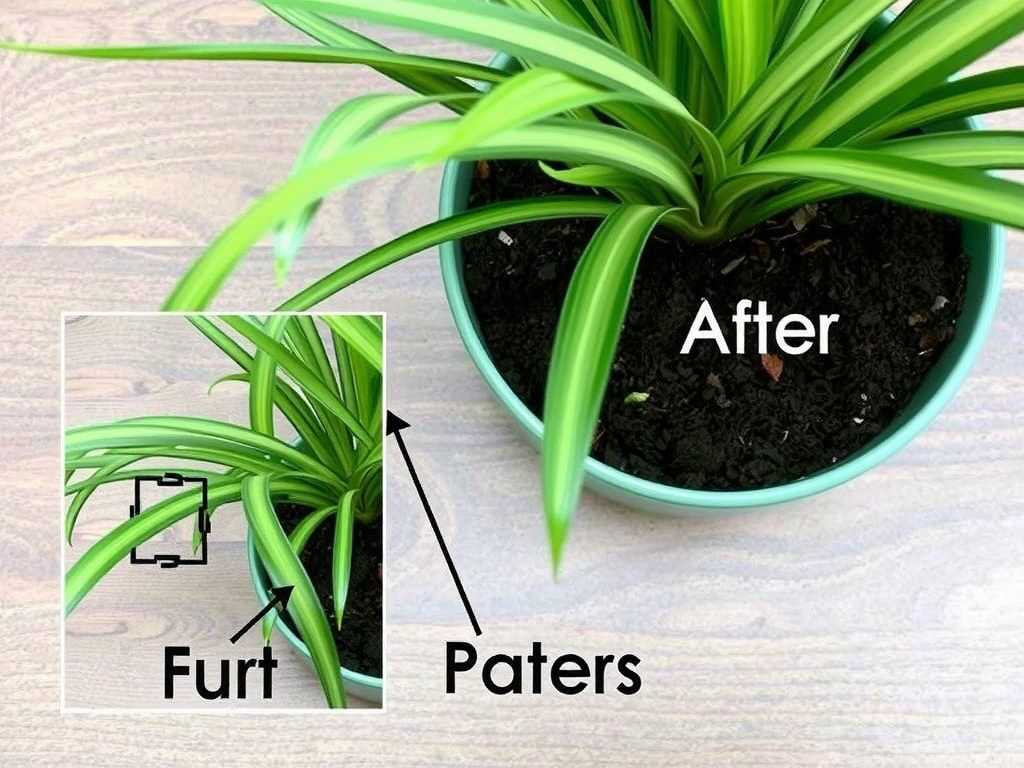
A newly rooted spider plant cutting is in a vulnerable state. Its roots, accustomed to the consistent moisture and high oxygen availability of water, must now adapt to a solid, complex environment. The primary goals of your soil mix are to support this adaptation by providing excellent drainage, adequate aeration, and balanced moisture retention without becoming soggy.
Spider plants (Chlorophytum comosum) are remarkably resilient, but they have specific preferences. In their native habitat, they often grow in well-draining, nutrient-rich soils. For your potted plant, replicating these conditions is key to encouraging strong root establishment and vigorous growth of new leaves and, eventually, plantlets.
The Gold Standard: Components of the Perfect Spider Plant Soil Mix
There is no single "perfect" bagged soil for spider plants, especially for delicate transplants. The ideal approach is to create or select a blend based on a few critical components. Think of building a soil structure that holds moisture like a sponge but drains excess water instantly, leaving air pockets for roots to breathe.
1. The Base: All-Purpose Potting Mix Start with a high-quality, sterile all-purpose potting mix. This provides a baseline of organic matter and some structure. Avoid using garden soil, which is too dense, may harbor pests, and lacks the proper texture for containers. Look for a mix that is peat-based or coconut coir-based.
2. The Drainage Champion: Perlite or Pumice This is non-negotiable. Perlite (those white, lightweight volcanic glass pellets) or pumice is essential for creating air pockets and preventing soil compaction. For transplanting spider plant cuttings, a generous amount is crucial. It ensures that water flows through the mix quickly, preventing the roots from sitting in moisture, which is the leading cause of root rot in new transplants.
3. The Aeration and Structure Builder: Orchid Bark or Coarse Sand Adding a component like small-chunk orchid bark or horticultural sand further improves drainage and long-term soil structure. It prevents the finer particles of the potting mix from clumping together, ensuring the root zone remains loose and aerated. This mimics the well-draining conditions spider plants prefer.
A Simple, Effective Recipe: A proven formula for transplanting rooted spider plant cuttings is a 1:1:1 ratio:
- 1 part All-Purpose Potting Mix
- 1 part Perlite
- 1 part Orchid Bark (small chunks)
This blend prioritizes drainage and aeration while still holding enough moisture for the roots to access. As noted by horticulturist Dr. Linda Chalker-Scott, "A common cause of transplant failure is soil that remains saturated, suffocating fine root hairs. Amending with inorganic materials like perlite is a simple, effective preventative measure."
What to Absolutely Avoid in Your Soil Choice
Knowing what to avoid is as important as knowing what to include.
- Heavy, Moisture-Retentive Soils: Soils marketed for water-loving plants or those with a high clay content are detrimental.
- Soils Lacking Drainage: Any bagged mix that feels dense and muddy when wet should be amended heavily or avoided.
- Untreated Garden Soil: It compacts in pots, drains poorly, and introduces risks.
Step-by-Step: Transplanting Your Cutting with the Right Soil
Now, let's apply this soil selection knowledge to the transplanting process.
1. Preparation: Have your custom soil mix ready, a clean pot with ample drainage holes (a 4-inch pot is ideal to start), and your rooted cutting. 2. Potting: Place a small amount of soil in the bottom of the pot. Gently place the rooted spider plant cutting in the center, spreading the roots out naturally. Hold it steady and backfill around the roots with your soil mix, gently firming it to eliminate large air pockets. Ensure the base of the plant (where the leaves meet the roots) is at the soil surface, not buried too deeply. 3. The First Watering: Water the soil thoroughly until water runs freely from the drainage holes. This "settles" the soil around the roots. Allow all excess water to drain completely. 4. Post-Transplant Care: Place the newly potted plant in bright, indirect light. Avoid direct sun, which can stress it. The soil should be allowed to dry out slightly between the first few waterings. You can check by feeling the top inch of soil; if it's dry, it's time to water. This encourages the roots to grow outward, seeking moisture.
Optimizing the Environment for Root Establishment
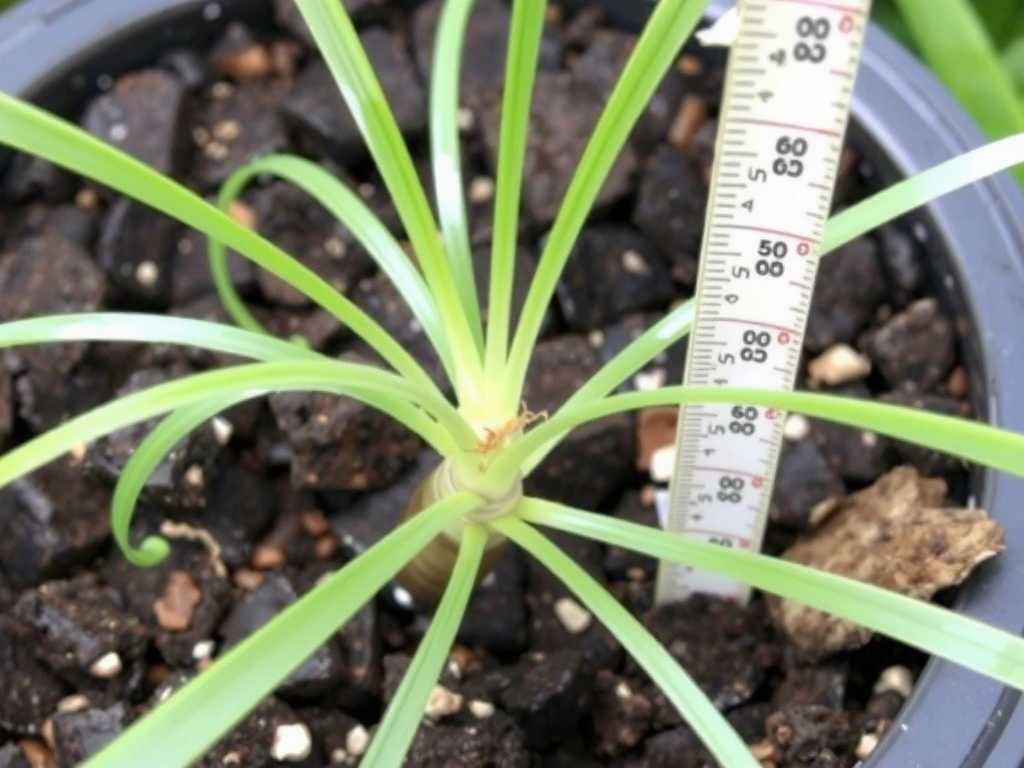
The right soil for transplanted spider plant cuttings is the foundation, but environment supports success. Maintain moderate room temperatures and consider slightly higher humidity for the first week (a simple pebble tray can help). Resist the urge to fertilize for at least 4-6 weeks; the fresh potting mix contains enough nutrients, and fertilizers can burn sensitive new roots.
Troubleshooting Post-Transplant Issues
- Leaves Drooping or Yellowing: This is often transplant shock or overwatering. Ensure your soil mix is draining properly and adjust your watering schedule. The soil should not stay constantly wet.
- No New Growth: Be patient. The plant is focusing energy on establishing its root system in the new soil. Ensure it has adequate indirect light.
- Root Rot: If the plant becomes mushy at the base, the soil is likely retaining too much water. You may need to repot into a faster-draining mix, carefully removing any black, mushy roots.
Frequently Asked Questions
Can I use cactus soil for my transplanted spider plant cutting? Yes, cactus and succulent mix is an excellent commercial alternative, as it is formulated for fast drainage. However, it can sometimes drain too quickly. For spider plants, you may want to mix two parts cactus soil with one part all-purpose potting mix to add a touch more moisture retention, creating an ideal balance for your new transplant.
How soon after roots appear should I transplant into soil? The ideal time is when the roots are 1-2 inches long and have secondary root hairs (they look fuzzy). Roots that are too short may struggle to establish, while very long, water-adapted roots can experience more severe transplant shock. Timing is a key part of the successful spider plant propagation and transplanting process.
My cutting has roots but also a small "pup" or plantlet. Should I remove it before transplanting? It's best to leave it. The plantlet is drawing energy from the mother leaf. You can allow it to grow larger on the established plant after transplanting and separate it once it has developed its own roots, following the same soil standards for its eventual potting.
Transplanting a rooted spider plant cutting marks the exciting transition from propagation project to a growing, independent houseplant. By prioritizing a soil mix that champions drainage and aeration—using components like perlite and bark—you directly address the core need of those tender new roots. This careful soil selection for spider plant propagation mitigates the risk of rot and provides the optimal physical structure for root expansion and nutrient uptake. With this solid foundation, your spider plant is set not just to survive, but to thrive, soon rewarding you with cascading runners and new plantlets of its own.