bluename
 spider plant Runner Propagation: Moisturizing Measures for Unrooted Offshoots
You’ve just snipped a healthy, promising spider plant runner, or "pup," from the mother plant. It’s your first step towards a new, independent plant. But now, that unrooted offshoot looks vulnerable. You might be worried: will it dry out before it can grow roots? How do you keep it moist enough without causing rot? This moment is critical. The success of your spider plant runner propagation hinges on one key factor: mastering the hydration for these tender, unrooted starts.
Many propagation attempts fail not from neglect, but from improper moisture management. Too little water, and the fledgling plant dehydrates. Too much, and the stem turns to mush. This guide is dedicated to the moisturizing measures for unrooted offshoots, providing a clear, step-by-step framework to navigate this delicate phase. We will focus on practical, proven techniques to maintain the perfect moisture balance, ensuring your spider plant pups develop robust roots and thrive.
Understanding Your Unrooted Spider Plant Pup
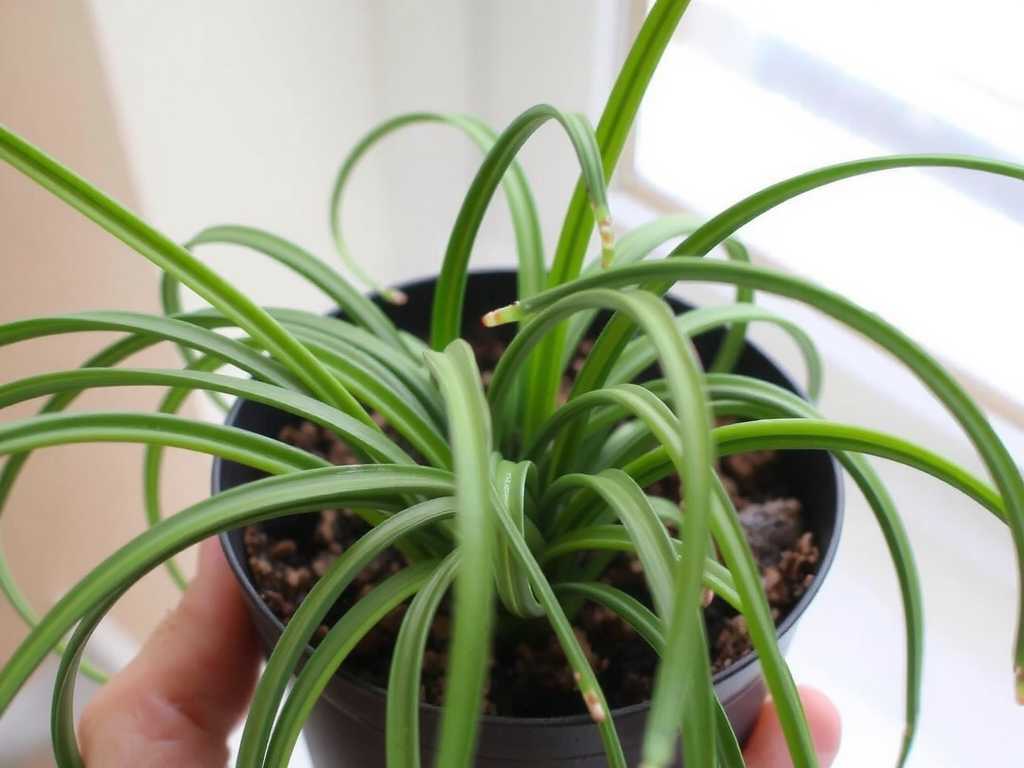
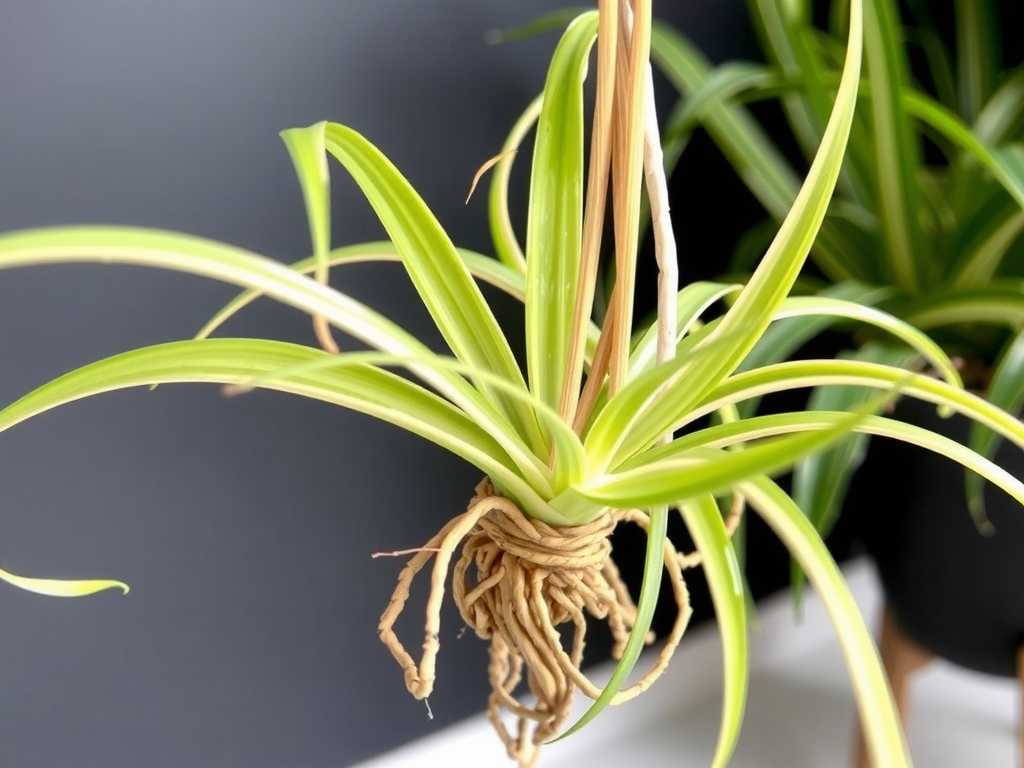
Before applying any water, it’s essential to understand what your cutting needs. A spider plant pup, or offshoot, is a complete miniature plant that develops on a long stem (runner or stolon) from the main plant. When detached, it has leaves but no independent root system. Its primary source of moisture and nutrients has been severed.
At this stage, the offshoot loses water through its leaves (transpiration) faster than it can absorb it. The goal of moisturizing measures for unrooted offshoots is to reduce this stress and create an environment that encourages root cell development. Horticulturist Dr. Linda Chalker-Scott notes in her urban horticulture work that "the propagation environment must balance moisture and oxygen. Roots emerge from stem tissues where cells are hydrated and active, but they will not form in saturated, anaerobic conditions."
There are two primary paths for rooting: water propagation and direct soil propagation. Each requires a distinct moisture strategy.
Pre-Propagation Preparation: Setting the Stage for Success
The steps you take before introducing moisture significantly impact your outcome. Start with a sharp, clean pair of scissors or pruning shears. Wipe them with isopropyl alcohol to prevent introducing pathogens. Cut the pup from the runner, leaving about 1-2 inches of the stem attached below the leaf cluster. This stem node area is where roots will emerge.
Examine the pup. If there are any small, brownish nubs at the base, these are pre-formed root initials—a great sign. Remove any leaves that would sit below the water or soil line, as they will decay and foul the medium. Allowing the cut end to air-dry for an hour or two can help form a slight callus, which may reduce the risk of rot when introduced to moisture. This preparation is the first, often overlooked, measure for hydrating spider plant babies.
Method 1: Water Propagation Moisture Management
Water propagation is popular because it allows you to observe root growth. However, it requires vigilance to maintain ideal moisture for the plant while preventing issues.
The Initial Setup Place the prepared pup in a narrow-necked vessel (like a small bottle or shot glass) so that only the very base of the stem is submerged. The leaves must remain completely dry and above the waterline. Use room-temperature, non-chlorinated water if possible. Letting tap water sit out for 24 hours allows chlorine to evaporate.
Maintaining Optimal Water Conditions This is the core of keeping spider plant runners hydrated in water. Do not simply top off the water as it evaporates. Stagnant water becomes depleted of oxygen and can concentrate minerals and potential pathogens. The best practice is to change the water completely every 3-4 days. This replenishes oxygen and keeps the environment fresh. Rinse the stem gently under running water during changes to remove any slippery biofilm.
Place the vessel in a location with bright, indirect light. Direct sun will heat the water and encourage algal growth. Roots should begin to appear within 7-14 days. Once they are about 1-2 inches long, your pup is ready for transplanting to soil. The transition from water to soil is another critical moisture juncture, which we will cover later.
Method 2: Direct Soil Propagation Hydration Techniques
Planting directly into soil can be faster and avoids transplant shock later. The moisture control for unrooted offsets in soil is about achieving a consistently damp—never soggy—environment.
Choosing and Preparing the Medium A well-draining potting mix is non-negotiable. Use a standard houseplant mix amended with perlite or coarse sand (a 2:1 ratio is excellent). This ensures the mix holds moisture but drains excess water quickly, providing the perfect balance of water and air pockets around the stem.
Moisten the mix thoroughly before planting. A good test is to squeeze a handful; it should hold together lightly but not drip water. This "pre-moistening" is crucial. Planting a dry cutting into dry soil will wick moisture away from the stem.
Planting and the First Watering Make a small hole in the pre-moistened mix with a pencil or your finger. Insert the stem of the pup, ensuring the base is in contact with the soil. Gently firm the mix around it. Do not water it again at this point. The pre-moistened soil provides enough hydration.
Creating a Humid Microclimate This is the most effective measure for hydrating spider plant babies in soil. Cover the pot with a clear plastic bag or place it inside a clear, lidded container. This creates a miniature greenhouse, drastically reducing moisture loss from the leaves through transpiration. The humidity inside will stay high, allowing the plant to focus energy on root development rather than water retention.
Place the covered pot in warm, indirect light. Avoid direct sun, which can cook the plant inside the plastic. Every 2-3 days, remove the cover for 15-20 minutes to allow fresh air circulation and prevent mold. Check the soil moisture by touch. It should feel like a damp sponge. If the top inch feels dry, mist the soil surface lightly or add a small amount of water to the saucer, allowing it to wick up.
Transitioning and Post-Rooting Care
Once you see new leaf growth (typically after 2-4 weeks), it’s a strong sign that roots have established. For water-propagated pups, the transition to soil requires careful moisture adjustment.
Transplanting from Water to Soil Prepare a pot with pre-moistened, well-draining soil as described. Gently plant the rooted pup. For the first week, keep the soil consistently moist (not wet) to help the water roots adapt to the soil environment. You can loosely tent a plastic bag over the plant to ease the transition. Gradually reduce the extra humidity over the next week.
Establishing a Mature Watering Routine For pups rooted in soil, you can begin to remove the plastic cover for longer periods once active growth is evident. Start watering only when the top inch of soil feels dry. This encourages the roots to grow deeper in search of moisture, building a stronger system. You are now moving from propagation moisturizing measures to standard spider plant care.
Troubleshooting Common Moisture Issues
- Yellowing Leaves: Often a sign of overwatering or poor drainage in soil propagation. Check that your pot has drainage holes and let the soil dry out more between checks.
- Mushy Stem/Rot: Caused by excessive moisture and lack of oxygen. In water, change it more frequently. In soil, ensure your mix is airy and never let the pot sit in water. You may need to start over with a new cutting.
- Dry, Crispy Leaf Tips: Can indicate low humidity during soil propagation or mineral buildup from tap water in water propagation. Ensure your humidity cover is secure, and consider using filtered or distilled water.
- Slow or No Root Growth: Could be due to temperature (too cold), insufficient light, or a lack of consistent moisture. Ensure the environment is warm (70-75°F is ideal) and bright, and that your moisture regimen is stable.
Frequently Asked Questions
Can I propagate a spider plant pup without any roots? Absolutely. Spider plant pups are genetically programmed to root easily. Using the moisturizing measures for unrooted offshoots outlined above—either in water or a pre-moistened, humid soil environment—provides the necessary conditions for roots to form from the stem node.
How often should I mist my unrooted spider plant offshoot? Misting the leaves directly is generally not recommended, especially if the plant is covered with a plastic bag for humidity. It can promote fungal disease. Focus instead on maintaining soil moisture or fresh water. If the air is extremely dry and you are not using a cover, a light mist in the air around the plant can help, but soil or water medium moisture is far more critical.
Why is my water-propagated pup developing brown, slimy roots? The brown slime is likely biofilm or the beginning of rot from oxygen-depleted water. This highlights the importance of changing the water regularly every few days. Rinse the roots and the vessel, and refresh with clean, room-temperature water. Ensure the plant is not in direct sunlight, which accelerates bacterial growth.
Mastering spider plant runner propagation is fundamentally about understanding and managing moisture. By viewing your unrooted offshoot not just as a cutting, but as a living organism in transition, you can provide the tailored hydration it needs. Whether you choose the visible journey of water propagation or the direct approach in soil, the principles remain the same: consistent, clean moisture and high humidity to support root development. With these moisturizing measures in hand, you can confidently turn every spider plant runner into a thriving, independent plant, expanding your green space with ease and success.