bluename
 spider plant Seed Germination: A Step-by-Step Guide to the Wet Paper Towel Method
Have you ever collected tiny seeds from your spider plant, full of hope for new, free greenery, only to be met with disappointment? You plant them in soil, wait patiently, and see… nothing. The frustration is real. The truth is, spider plant seeds have a notoriously low and slow germination rate when sown directly, often due to inconsistent moisture, temperature, or simply the seed's natural dormancy. This uncertainty can make propagation feel like a guessing game.
But what if there was a way to peek into the process, to witness the very moment life begins, and to ensure nearly every viable seed sprouts before it ever touches soil? Enter the wet paper towel germination method. This simple, highly effective technique removes the guesswork, dramatically increases your success rate, and provides a fascinating window into plant development. By following this clear, step-by-step guide, you'll transform those frustrating, dormant seeds into a thriving army of baby spider plants.
Why the Paper Towel Method Works for Spider Plants
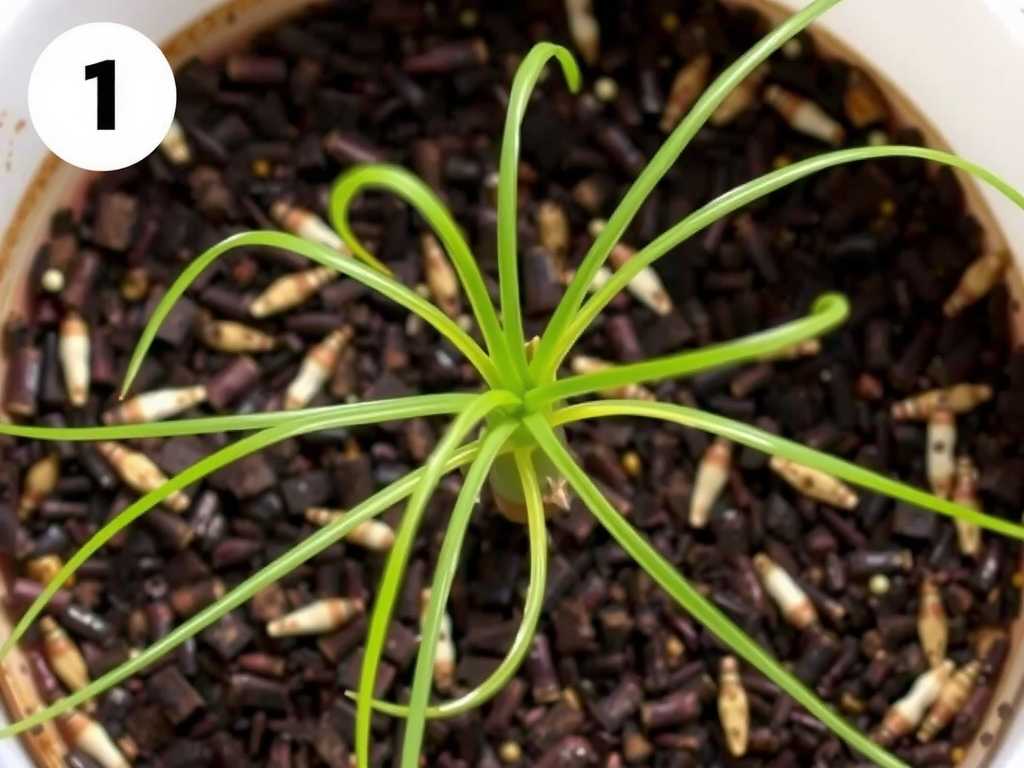
Traditional direct sowing in potting mix can be a black box. You can't see if the seed is too dry, too wet, or simply sitting there inert. The wet paper towel germination method for spider plants solves these core problems by creating a controlled micro-environment.
First, it provides constant, even moisture—the single most critical factor for triggering germination—without the risk of waterlogging that can cause seeds to rot in soil. Second, the transparent container (like a plastic bag or container) creates a mini greenhouse, maintaining stable humidity and warmth. Most importantly, it allows for easy monitoring of spider plant sprouting progress. You can check daily without disturbing the seed's environment, and you'll know within 10-14 days exactly which seeds are viable. This method leverages the principles of seed biology, ensuring the embryo inside the seed coat gets the consistent signal it needs to break dormancy and grow.
Gathering Your Germination Supplies
You don't need specialized equipment. Most items are likely already in your home:
- Spider Plant Seeds: Fresh is best. Seeds from your own plant should be used within a year for optimal viability.
- Paper Towels: Use plain, white, non-embossed towels. Avoid printed or heavily textured ones, as dyes and chemicals might inhibit growth.
- Sealable Plastic Bag or Airtight Container: A resealable sandwich bag is perfect. A small plastic food container with a lid also works excellently.
- Spray Bottle: For misting with distilled or filtered water.
- Tweezers: For gently handling delicate seeds and sprouts.
- Warm, Bright Location: A spot with consistent, indirect light and stable temperature (70-75°F or 21-24°C is ideal).
Step-by-Step: The Wet Paper Towel Germination Process
Preparing the Germination Station Start by thoroughly washing your hands and the container to minimize mold risk. Take one full sheet of paper towel and fold it to fit inside your bag or container. Using your spray bottle, saturate the paper towel completely until it is dripping wet. Then, carefully pour out any excess pooled water. The towel should be thoroughly soaked but not floating in water; this balance is crucial to prevent rot.
Seeding and Creating the Micro-Climate Next, gently place your spider plant seeds on one half of the damp paper towel. Space them out so they aren't touching. This prevents any potential mold from spreading if one seed fails. Carefully fold the other half of the paper towel over the seeds, creating a moist "seed sandwich." Slip the prepared towel into the plastic bag, but do not seal it completely just yet. Lightly mist the inside of the bag for extra humidity, then press out most of the air and seal it shut. If using a container, simply place the folded towel inside and snap on the lid.
Ideal Placement and Daily Monitoring Place your sealed germination station in a warm location away from direct sunlight. The top of a refrigerator, a warm pantry shelf, or under a grow light are good options. Check the seeds daily. You are looking for two key things: maintenance of condensation inside the bag (a sign of good humidity) and the first signs of successful spider plant seed starting. Within 7-14 days, you should see tiny white radicles (the first root) emerging from the seeds. The paper towel should remain moist for the entire period; if it begins to dry, open the bag and lightly mist it with water.
Transplanting Your Successful Sprouts
Identifying Ready Seedlings Once the white radicle is clearly visible and measures about 1/4 to 1/2 inch long, your seedling is ready for transplant. Don't wait for leaves to form in the bag; the goal is to move it to soil once the root system is initiated.
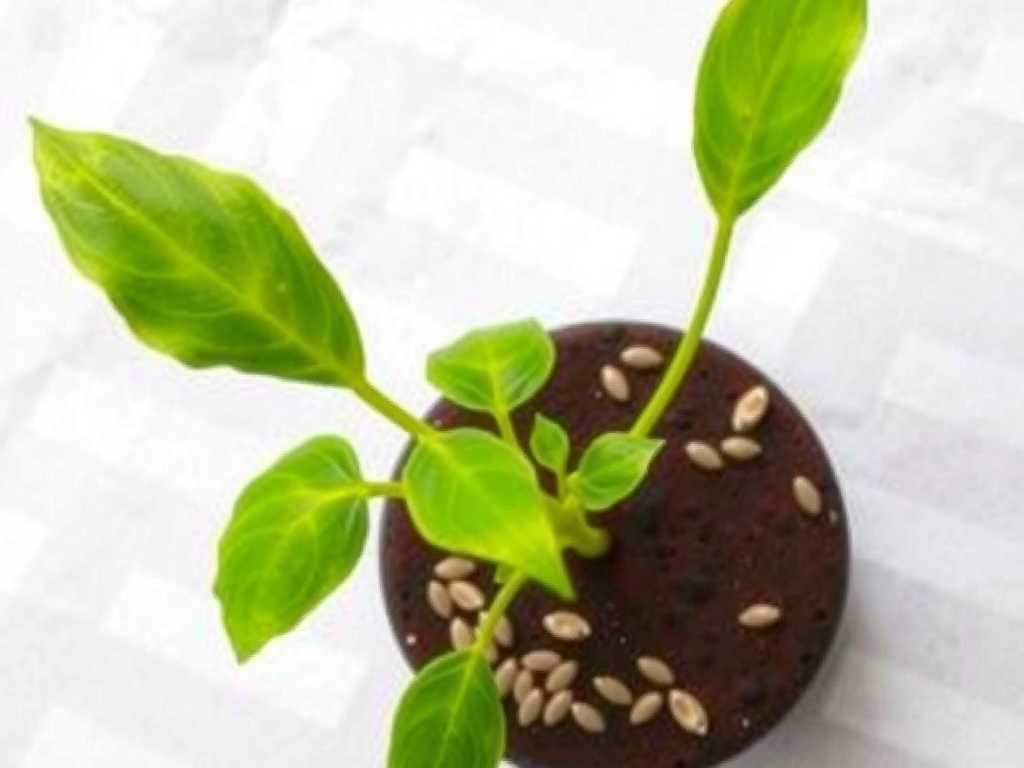
The Gentle Transplant Prepare small pots (2-3 inches) with a light, well-draining potting mix. Moisten the soil so it's damp but not soggy. Using tweezers, painstakingly gently handle the germinated seed by the seed coat, not the delicate root. Make a small hole in the soil with a pencil or your finger, place the root pointing downward, and barely cover the seed with a fine layer of soil. Lightly mist the surface.
Post-Transplant Care Keep the soil consistently moist (not wet) for the first week. Place the pots in bright, indirect light. In a few days to a week, the first green shoot should emerge above the soil. At this point, you can begin to care for it as you would any young spider plant, allowing the top layer of soil to dry slightly between waterings.
Troubleshooting Common Issues
- Mold Growth: This is usually caused by excess water, contaminated seeds, or poor air circulation. If you see mold, immediately remove the affected seed with tweezers. You can try lightly dabbing the area on the paper towel with a diluted hydrogen peroxide solution (1 part 3% peroxide to 10 parts water) or simply transfer the healthy seeds to a fresh, damp paper towel and a clean bag.
- Seeds Not Sprouting: If after 3 weeks nothing happens, the seeds were likely non-viable (too old or infertile). Spider plant seed viability declines significantly with time.
- Sprouts Drying Out or Rotting After Transplant: This is usually a watering issue. Ensure the soil is well-draining and you are maintaining consistent, gentle moisture without compaction or sogginess.
Expert Insights for Higher Success
Horticulturists emphasize the importance of cleanliness and temperature control in seed starting. As noted in the Journal of Commercial Horticulture, consistent warmth is more critical than light for the germination phase of many common houseplants, including spider plants. Furthermore, using a sterile medium—like a fresh paper towel—eliminates soil-borne pathogens that often challenge tiny seedlings. This method aligns perfectly with best practices for maximizing germination rates in a home setting.
Frequently Asked Questions
How long does it take for spider plant seeds to germinate in a paper towel? Under ideal warm conditions (70-75°F), you can expect to see the first root emerge within 7 to 14 days using the paper towel method. This is often faster than direct sowing in soil.
Can I use any type of paper towel for germinating seeds? It's best to use plain, white, non-embossed paper towels. Avoid towels with prints, dyes, or heavy textures, as these may contain chemicals or fungicides that could impede germination or harm the delicate root.
What should I do if the root grows into the paper towel? This is common. Do not pull it free. Instead, carefully tear away the small piece of paper towel surrounding the root and plant the entire piece. The paper will decompose naturally and minimizes root damage, giving your seedling the best start in its new soil home.
Witnessing the first tiny root emerge from a spider plant seed is a rewarding experience that demystifies plant propagation. The wet paper towel method turns a slow, uncertain process into a reliable and engaging project, offering clarity and control. By providing perfect moisture and warmth, you give every viable seed its best possible chance. This technique not only boosts your success rate but also deepens your connection to the growth cycle of your plants. With your newly sprouted seedlings safely in soil, you’re well on your way to expanding your indoor jungle with healthy, home-grown spider plants.