 admin
admin Spider Plant Propagation in Winter: Temperature Setting and Ventilation Tips for Seedling Trays
You’ve carefully snipped healthy spider plant babies, or pups, and are ready to propagate them into new, lush plants. But winter’s chill throws a wrench in your plans. The dry air, cold drafts, and low light levels can turn your propagation tray into a graveyard for seedlings, leading to rot, stunted growth, and disappointment. Successfully nurturing spider plant pups during the colder months hinges on mastering two critical, often overlooked factors: precise temperature control and strategic ventilation for your seedling trays. This guide will walk you through the exact settings and techniques to ensure your spider plant propagation in winter thrives, transforming those delicate offsets into robust, independent plants.
Understanding the Winter Propagation Challenge
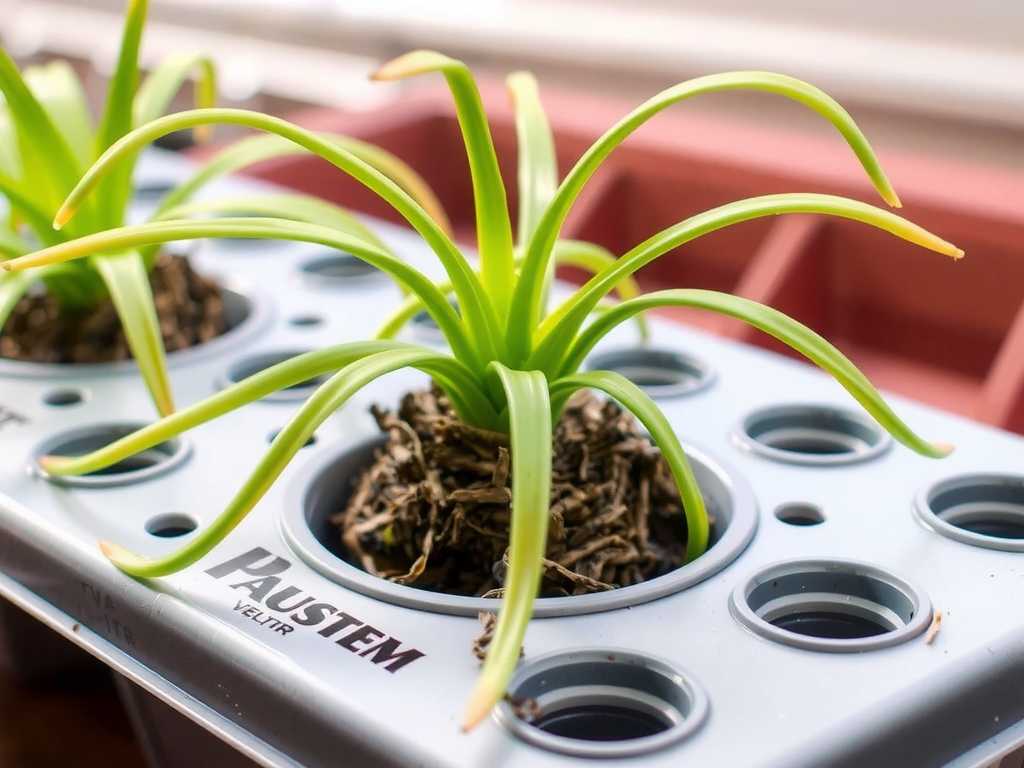
Spider plants (Chlorophytum comosum) are remarkably resilient, but their offspring are vulnerable during propagation. In winter, central heating creates dry, stagnant air, while cold windowsills introduce damaging temperature swings. The natural growth rate slows, making consistent warmth and fresh air circulation not just beneficial, but essential for preventing fungal diseases like damping-off and encouraging strong root development. A controlled microclimate within your seedling tray is the ultimate solution.
Creating the Ideal Thermal Environment
The cornerstone of successful winter propagation is maintaining a stable, warm root zone. While mature spider plants tolerate cooler temps, propagules need gentle warmth to stimulate root growth.
The Goldilocks Zone: Optimal Temperature Ranges
Aim for a consistent soil temperature between 70°F and 75°F (21°C to 24°C). This range is warm enough to promote active root cell division without being so hot that it stresses the plant or dries out the medium too quickly. Air temperature around the foliage should not drop below 65°F (18°C), especially at night. Sudden drops can shock the plantlets, halting growth entirely.
Practical Heating Solutions for Tray
For most indoor environments, supplemental heat is non-negotiable. A specialized seedling heat mat is your most reliable tool. Place your propagation tray directly on the mat. These mats gently warm the soil from below, which is where roots develop, creating an ideal environment. Use a thermostat probe with your heat mat to avoid overheating; insert it into the potting medium of one cell to monitor the actual root zone temperature.
If a heat mat isn’t available, position your tray in a consistently warm spot. The top of a refrigerator, near (but not on) a radiator, or in a warm bathroom with good light can work. Always avoid direct contact with hot surfaces. Insulating the tray from cold countertops with a towel or foam board can also help retain ambient warmth.
The Critical Role of Strategic Ventilation
While warmth is vital, stagnant, humid air is a silent killer for seedlings. Proper ventilation manages humidity, strengthens plant stems, and prevents pathogen buildup. This is a delicate balance—excessive airflow can dehydrate and chill your pups.
Why Airflow is Non-Negotiable
After watering, the soil surface and the enclosed space of a humidity dome stay very moist. Without airflow, this creates a petri dish for fungal spores. Gentle air movement strengthens the young leaves and stems by simulating natural outdoor conditions, making them sturdier. Furthermore, it facilitates gas exchange; plants need access to carbon dioxide even at this early stage.
Implementing Safe Ventilation Practices
If you use a clear plastic humidity dome to retain moisture, you must ventilate it. Do not seal it shut indefinitely. Begin by propping open the dome’s vents or lifting one side slightly for an hour or two each day. As the days pass, gradually increase the ventilation time. After the first week, or once you see new growth, you can often remove the dome entirely if the room’s humidity is reasonable (above 40%).
For open trays, ensure they are not crammed in a tight corner. A gentle, indirect source of air movement is key. A small oscillating fan placed on low setting several feet away from the trays provides perfect ambient circulation. Never point a strong fan directly at the tender plants, as this will cause rapid moisture loss and stress. The goal is to see the leaves barely rustle.
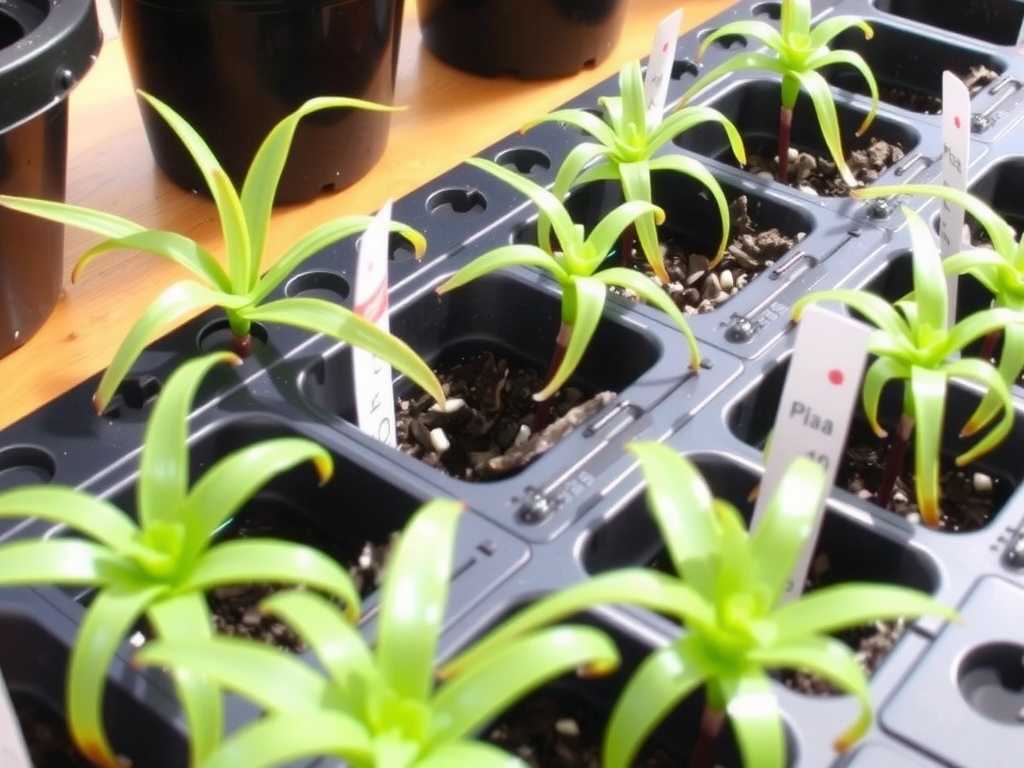
The Synergy of Temperature and Ventilation
These two elements work in tandem. A heated root zone increases evaporation from the soil. Ventilation then carries that moist air away from the leaf surface, preventing water droplets from sitting and causing rot. Conversely, good ventilation prevents the warm, humid air under a dome from becoming overheated and “cooking” your plants. Monitor your setup daily: if condensation completely obscures the dome walls, it needs more air. If the soil dries out too rapidly, check if heat is too high or airflow is too direct.
Step-by-Step Winter Propagation Protocol
- Preparation: Use a sterile, well-draining potting mix. Fill your seedling tray or small pots. Moisten the mix until it’s damp like a wrung-out sponge, not soggy.
- Planting: Secure your spider plant pup in the soil, ensuring the base of the plantlet (where roots will emerge) is in good contact with the medium. You can dip the base in rooting hormone powder for an extra boost.
- Initial Setup: Place the tray on the pre-warmed heat mat. If the room is very dry, cover with a humidity dome.
- Daily Management: Check soil moisture by touch—it should stay lightly damp. Water sparingly from below if needed. Vent the dome daily.
- Monitoring Growth: Roots typically begin to form within 7-14 days. New green growth at the center of the pup is the surest sign of success. Once you see significant new leaves, you can begin to treat it more like a mature plant, acclimating it to normal room conditions.
Expert Insight for Enhanced Success
Horticulturist Dr. Linda Chalker-Scott emphasizes the importance of “environmental consistency” for seedling health. “A stable, warm root zone mitigates plant stress, allowing energy to be directed toward root and shoot development rather than survival,” she notes. This principle is paramount for winter propagation. Furthermore, a 2022 study in the Journal of Horticultural Science found that moderate bottom heat combined with cyclic ventilation reduced disease incidence in seedling trays by over 60% compared to stagnant, warm conditions.
Troubleshooting Common Winter Issues
- Yellowing Leaves: Often a sign of overwatering combined with cool temperatures. Reduce watering frequency, ensure drainage is excellent, and verify your heat mat is functioning.
- Mold on Soil Surface: A clear sign of insufficient ventilation and excessive moisture. Remove any mold gently, increase air circulation immediately, and let the soil surface dry out slightly between waterings.
- Slow or No Root Growth: The temperature is likely too low. Verify your soil temperature with a probe thermometer. Ensure the heat mat is properly connected and the tray is centered on it.
Frequently Asked Questions
Can I propagate spider plants in water during winter? While possible, soil propagation with bottom heat is generally more successful in winter. Water roots are more fragile and the water temperature can fluctuate more dramatically with room air temps, potentially shocking the plant during transplant to soil.
How often should I water my spider plant seedlings in a heated tray? There is no fixed schedule. Always check the soil moisture first. Heated soil dries out faster, but the dome may retain humidity. Water only when the top half-inch of the mix feels dry to the touch. It’s better to err on the side of slightly dry than too wet.
When can I remove my new spider plant from the heat mat? Once the plant is well-established with several new leaves and a healthy root system that holds the soil together (typically after 4-6 weeks), you can begin to wean it off. Over a week, gradually reduce the heat mat time or move the plant to a warm spot without supplemental heat, monitoring for any signs of stress.
Mastering spider plant propagation in winter is an exercise in providing gentle, consistent care. By focusing on the twin pillars of a warm root zone and mindful air movement, you create a sanctuary for growth against the season’s challenges. This controlled approach not only yields new plants but also deepens your understanding of what these adaptable houseplants need to flourish. With these settings and tips, your seedling tray will become a source of vibrant growth all year round.
发表评论