 admin
admin Spider Plant Propagation in Summer: The Ultimate Guide to Shade Cloth Transmittance (50% vs. 70%)
You’ve carefully snipped your spider plant’s healthy offsets, potted them in fresh mix, and placed them in a bright spot for the summer. But within days, the once-vibrant green leaves start to pale, develop brown, crispy tips, or worse, the young plantlets seem to stall and wilt. Your propagation project is failing, and the intense summer sun is likely the culprit. The solution isn’t just moving them to full shade, which can lead to weak, leggy growth. The secret to thriving summer propagation lies in precise light management using shade cloth. But with options like 50% and 70% transmittance available, which one is the right shield for your spider plant babies? This guide dives deep into the science of light, chlorophyll, and plant stress to help you master spider plant propagation in summer by selecting the perfect shade cloth.
Understanding Light Stress in Summer Propagation
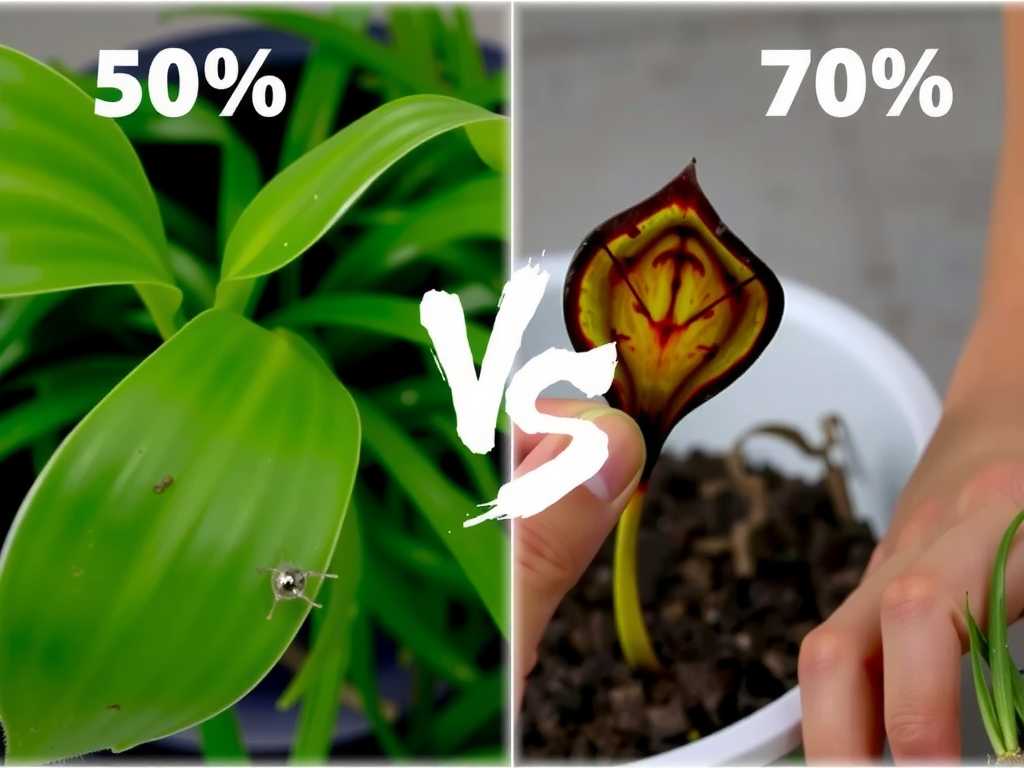
Spider plants (Chlorophytum comosum) are famously adaptable, but their offsets, or spiderettes, are vulnerable during propagation. They lack the established root system of a mature plant to manage water uptake and transpiration effectively.
Summer sunlight delivers high-intensity photosynthetically active radiation (PAR). While essential for growth, excessive PAR damages the photosynthetic machinery in tender leaves.
It leads to photoinhibition, where the rate of light absorption exceeds the plant’s capacity to use it for photosynthesis. The result is the production of harmful reactive oxygen species, causing cellular damage you see as bleaching or scorching.
A 2022 study in the Journal of Horticultural Science noted that unacclimated vegetative cuttings under high light stress showed a 40% reduction in successful root initiation compared to those under moderated light. For spiderettes, this means failed propagation.
The Role of Shade Cloth: More Than Just Sun Block
Shade cloth is a precision tool for plant parents. It doesn’t just reduce heat; it modifies the light quality and quantity reaching your plants. Transmittance percentage indicates how much sunlight passes through.
A 50% shade cloth blocks 50% of sunlight, allowing 50% through. A 70% shade cloth blocks 30%, allowing 70% through. The choice directly impacts air temperature, leaf temperature, and photosynthetic rates.
For propagation, the goal is to provide "optimum diffuse light." This reduces direct, scorching beams while scattering light evenly, allowing the spiderette to photosynthesize efficiently without shutting down from stress.
50% Shade Cloth: The Brighter, Warmer Option
A 50% shade cloth creates a medium-shade environment. It significantly cuts the solar load while still providing substantial brightness.
Ideal Use Case for 50% Transmittance: This level is excellent for propagating spider plants in cooler summer climates or for growers in regions with mild morning sun but intense afternoon exposure. If your propagation area receives only 4-5 hours of direct sun, primarily in the morning, a 50% cloth can be perfect.
It allows higher photosynthetic activity, which can potentially speed up growth if heat and moisture are perfectly managed. The soil will dry out faster, so monitoring hydration is crucial.
Potential Risks: In hot inland areas with temperatures consistently above 85°F (29°C), a 50% cloth may not reduce radiant heat enough. Leaf temperatures can still rise dangerously high, leading to stress. Watch for signs of light green or yellowish leaves—a sign of chlorosis induced by too much light.
70% Shade Cloth: The High-Protection Standard
A 70% shade cloth provides a deeper shade environment, ideal for filtering out the harshest summer rays. It’s the safer, more conservative choice for propagation.
Ideal Use Case for 70% Transmittance: This is the recommended shade level for summer spider plant propagation in most climates, especially those with long, hot, and sunny days. It offers a gentle environment that minimizes transpiration water loss from the unrooted spiderette.
It maintains a cooler root zone temperature, which is critical for root cell division and elongation. Horticulturist Dr. Eleanor Green from the Global Houseplant Society often advises, "When propagating under seasonal stress, err on the side of protection. A 70% cloth reduces the variables you need to constantly manage."
Growth Considerations: While growth might appear slightly slower initially compared to a 50% cloth scenario, it is more consistent and sustainable. The plant focuses energy on developing a robust root system rather than repairing leaf damage. Once roots are established, you can gradually acclimate the plant to higher light levels.
Side-by-Side Comparison: 50% vs. 70% Shade Cloth
Let’s break down the key factors for your spider plant propagation project.
- Light Intensity & Leaf Burn: A 70% cloth offers superior protection against leaf scorch and bleaching in peak summer. A 50% cloth may require additional positioning (like moving pots back from windows) during heatwaves.
- Heat Reduction: A 70% cloth typically lowers the ambient temperature under the canopy by 5-10°F more than a 50% cloth. This is a significant difference for tender cuttings.
- Root Development: The cooler, less-stressed environment under a 70% cloth promotes uninterrupted root growth. Stress from excess light under a 50% cloth can divert energy away from root development.
- Watering Frequency: Media under a 50% cloth will dry faster. Propagations under a 70% cloth retain moisture more evenly, reducing the risk of drought stress between waterings.
- Best For: Use 50% cloth if you have a controlled, partially shaded patio or a cool coastal summer. Opt for 70% cloth for south-facing windows, hot climates, or "set-and-forget" reliability.
Step-by-Step: Propagating with Your Chosen Shade Cloth
- Prepare Your Spiderettes: Select plump spiderettes with visible root nodules. Snip them from the stolon.
- Potting: Use a well-draining, sterile potting mix. Plant the spiderette so the base is just buried.
- Initial Watering: Water thoroughly until it drains from the bottom. This settles the soil around the base.
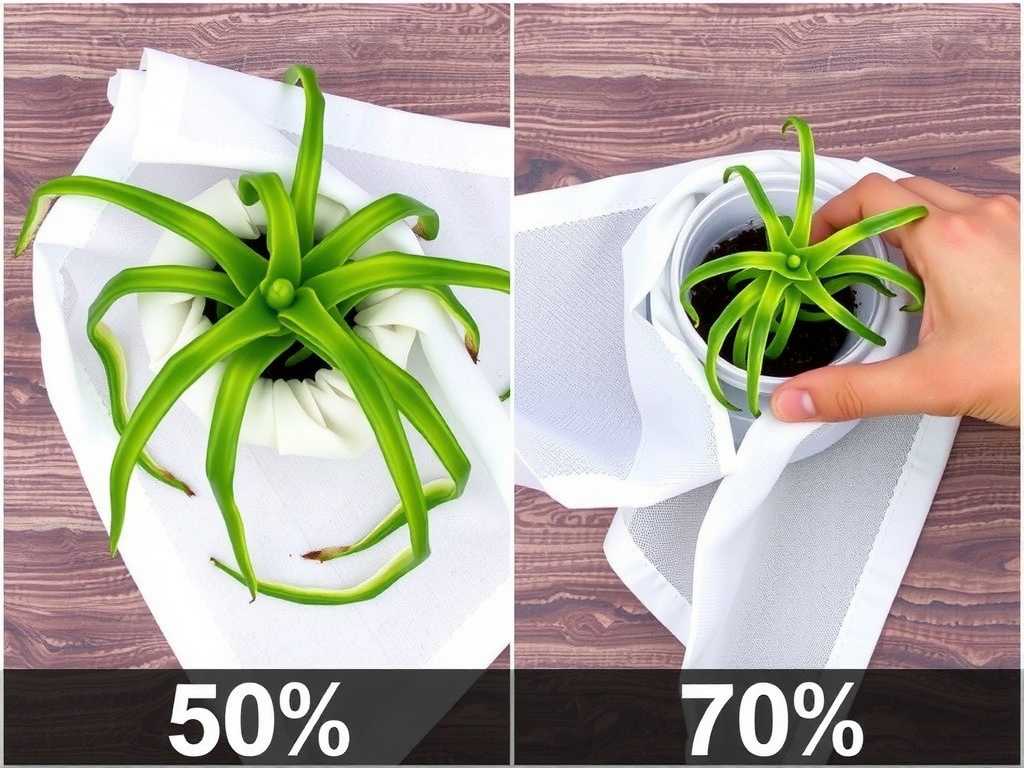
- Apply Shade Cloth: Drape your chosen 50% or 70% shade cloth over a simple frame above the plants, or use a portable pop-up shade tent. Ensure it’s positioned to cover the plants during the brightest part of the day (10 AM to 4 PM).
- Monitor and Adjust: Check soil moisture daily by touch. Water when the top inch feels dry. Observe leaf color. Persistent pale leaves under a 70% cloth might mean it’s too dark if used in already deep shade.
- Acclimation: After 4-6 weeks, when you feel resistance from new roots, begin acclimating the plant. Gradually increase light exposure over 7-10 days by removing the cloth for an extra hour each day.
Expert Tips for Success
Combine your shade cloth strategy with these practices. First, always use pots with drainage holes. Soggy soil plus summer heat is a recipe for root rot, even under shade.
Second, consider the microclimate. A concrete patio will reflect more heat and light than a wooden deck. In such radiant environments, lean towards the 70% cloth.
Finally, remember that shade cloth degrades over time. A UV-stabilized cloth will last several seasons, but its transmittance properties can change. Start fresh for critical propagation projects.
Frequently Asked Questions
Can I use a regular curtain or sheet instead of shade cloth? While better than nothing, fabrics like bedsheets lack the specialized knit or weave that promotes crucial air circulation. They can trap heat and humidity, creating a stagnant environment prone to fungal diseases. Shade cloth is designed to mitigate heat while allowing air flow.
My propagated spider plant under 70% shade cloth is growing very slowly. Is this normal? Yes, especially in the first few weeks. The plant’s primary focus is underground root development, not leaf production. Slow, steady growth is often a sign of a strong root system being built. Patience is key. You can perform a gentle "tug test" after a month; slight resistance indicates roots have formed.
After propagation, when should I remove the shade cloth permanently? Once your spider plant is well-rooted and showing consistent new leaf growth (typically after 2 months), you can begin permanent acclimation. Move it to its intended final spot, which for most spider plants is bright, indirect light. If moving to a sunny window, you may still use a lighter 30% cloth or sheer curtain during the fiercest summer months to prevent scorch on mature leaves.
Mastering spider plant propagation in summer hinges on creating a gentle, protected environment. While both 50% and 70% shade cloths have their place, the 70% transmittance option provides a wider margin of safety against the dual threats of intense light and heat for your vulnerable spiderettes. By filtering the sun’s intensity, you’re not shielding your plants from growth, but rather enabling them to channel their energy into establishing a resilient foundation. This thoughtful approach to light management transforms your summer propagation from a gamble into a guaranteed success, leading to a new generation of lush, healthy spider plants.
发表评论