 admin
admin Spider Plant Stolons Propagation: Care and Rooting Methods After Cutting
You've just snipped a healthy spider plantlet, or "spiderette," from its stolon, filled a jar with water, and placed it on your windowsill. Weeks pass, but instead of a robust network of white roots, you see only a few weak strands, or worse, a musy, rotting base. This common frustration highlights a critical gap in knowledge: successful spider plant propagation goes far beyond the simple act of cutting. Understanding the precise care and rooting methods after cutting that stolon is what separates thriving new plants from disappointing failures.
This guide is designed to transform that uncertainty into confidence. We will walk through every crucial step, from the optimal moment to make the cut to the final transition to soil, ensuring your spider plant stolons become vigorous, independent plants.
Understanding Spider Plant Stolons and Plantlets
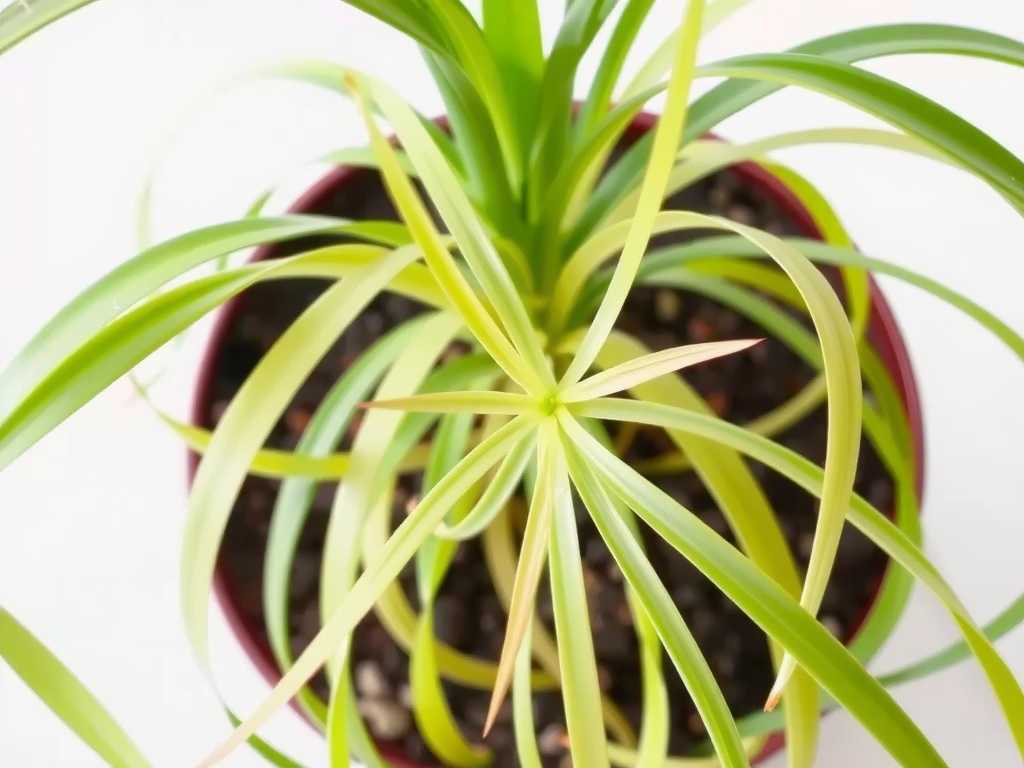
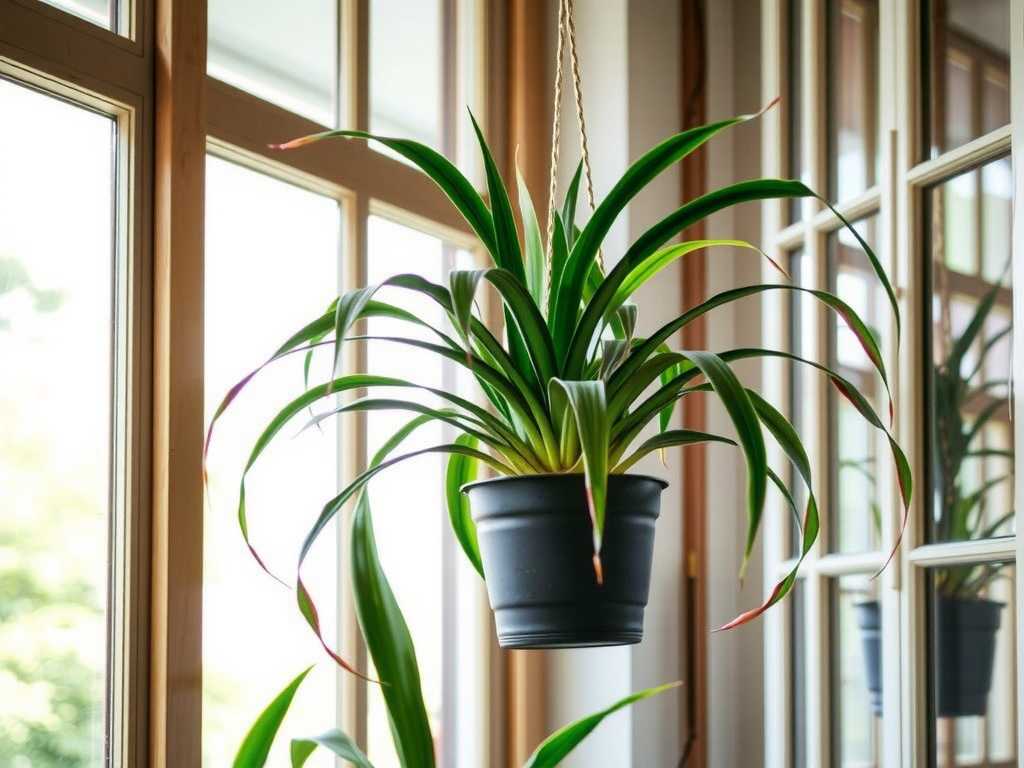
Before you make the cut, it's essential to understand what you're working with. Spider plants (Chlorophytum comosum) reproduce vegetatively by sending out long, arching stems called stolons or runners. From these stolons, miniature plants, known as spiderettes, pups, or plantlets, develop.
These plantlets are complete genetic clones of the mother plant and are fully capable of growing on their own once they form roots. The stolon is the lifeline, providing water and nutrients until the pup is ready for independence. The key to propagation is severing this connection at the right time and under the right conditions to encourage the plantlet to establish its own root system.
When and How to Cut a Spider Plantlet from the Stolon
Timing and technique are everything for a successful start. A premature cut can doom your efforts before they begin.
Identifying a Propagation-Ready Plantlet A spiderette is ready for propagation when it has developed its own set of small, starter leaves, typically at least 2-3 inches in length. More importantly, look for the beginnings of nub-like protrusions at its base; these are primordial roots, signaling its biological readiness to grow independently. Horticulturists at the University of Florida IFAS Extension note that plantlets with visible root initials have a significantly higher success rate in both water and soil propagation methods.
The Correct Cutting Technique Using a clean, sharp pair of scissors or pruning shears is non-negotiable. Blunt tools can crush the stolon, creating an entry point for pathogens. Disinfect your tools with rubbing alcohol before use. Make your cut approximately 1-2 inches from the base of the plantlet, leaving a short section of the stolon attached. Do not cut the plantlet off directly flush with its base. This small "handle" of stolon helps prevent you from damaging the plantlet's crucial growth node and gives you something to hold if you're propagating in water. It will dry out and can be removed later once roots are established.
Choosing Your Rooting Method: Water vs. Soil
This is the central decision in your propagation journey. Both methods for rooting spider plant cuttings are effective, but they offer different experiences and advantages.
Water Propagation: The Visual Method Water propagation is popular because it allows you to witness root growth firsthand, which is satisfying and educational.
- Process: Place the base of the spiderette (with the stub of stolon) in a glass or jar filled with room-temperature water. Ensure only the very base is submerged; leaves should stay completely dry to prevent rot.
- Care: Use clear glass to monitor root development and water clarity. Change the water every 3-5 days to keep it oxygenated and prevent bacterial growth. Place the vessel in bright, indirect light.
- Pros: Visually rewarding, easy to monitor for root growth.
- Cons: Roots grown in water are structurally different (more fragile and watery) than soil roots. The plant must later undergo the stress of transitioning to soil, a process known as "transplant shock."
Soil Propagation: The Direct Method Soil propagation mimics the plant's natural growth process and often results in a stronger, more resilient plant from the start.
- Process: Fill a small pot (3-4 inches) with a well-draining potting mix. A blend with perlite or sand is ideal. Moisten the soil so it is damp but not soggy. Create a small hole and plant the base of the spiderette, burying just the root nubs and the very base. Gently firm the soil around it.
- Care: Keep the soil consistently lightly moist for the first 2-3 weeks. Place the pot in bright, indirect light. You can create a mini-greenhouse effect by loosely covering the pot with a clear plastic bag to maintain humidity, but open it daily for air circulation.
- Pros: Produces stronger, soil-adapted roots immediately, eliminating transplant shock. It's a more straightforward, one-step process.
- Why this method often leads to healthier plants: As noted by plant physiologists, roots that develop in a soil medium immediately form the necessary structures (like root hairs) for efficient water and nutrient uptake in their permanent environment.
Essential After-Care for Newly Propagated Spider Plants
Your job isn't over once roots appear or the plantlet is potted. Consistent post-cutting care is vital.
Optimal Light and Temperature Conditions Provide bright, indirect light. A north or east-facing windowsill is perfect. Avoid direct, hot sun, which can scorch the tender new leaves and overheat water or soil. Maintain room temperatures between 65°F and 75°F (18°C - 24°C). Avoid drafts and sudden temperature drops.
Watering and Humidity Guidelines
- For Water Propagations: Maintain clean water as described.
- For Soil Propagations: The goal is consistently lightly moist soil. Overwatering is the fastest way to kill your new plant by rotting the fledgling roots. Before watering, check the top inch of soil with your finger. If it feels dry, water thoroughly until it drains from the bottom, then empty the drainage saucer.
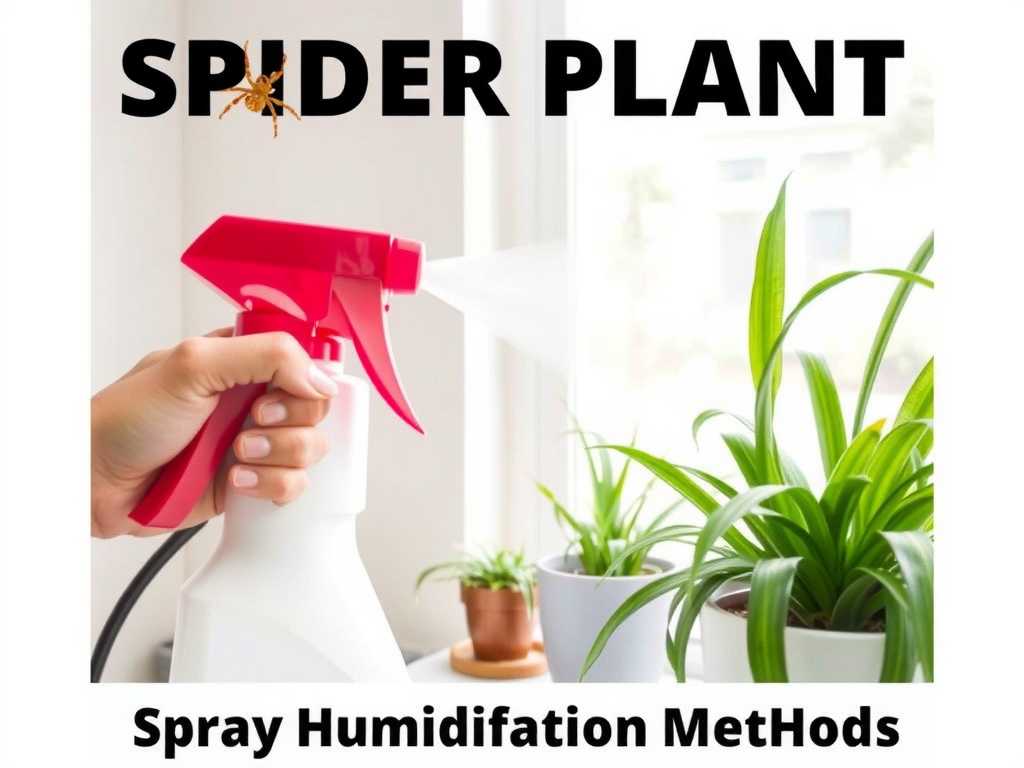
Spider plants appreciate moderate humidity. If your air is very dry, grouping plants together or using a humidity tray can be beneficial, especially for soil-propagated pups.
Transitioning Water-Rooted Spiderettes to Soil When roots from water propagation are 1-2 inches long, it's time to pot them. Don't wait until they are long and tangled.
- Gently remove the plantlet from the water.
- Prepare a pot with moist, well-draining potting mix.
- Plant the rooted spiderette, ensuring all the water-grown roots are buried in the soil.
- For the first week, keep the soil slightly more moist than you normally would for an established spider plant to help the roots adjust from an aquatic to a terrestrial environment. Then, gradually transition to a standard watering routine.
Troubleshooting Common Propagation Problems
Even with care, issues can arise. Here’s how to identify and fix them.
Root Rot in Water or Soil
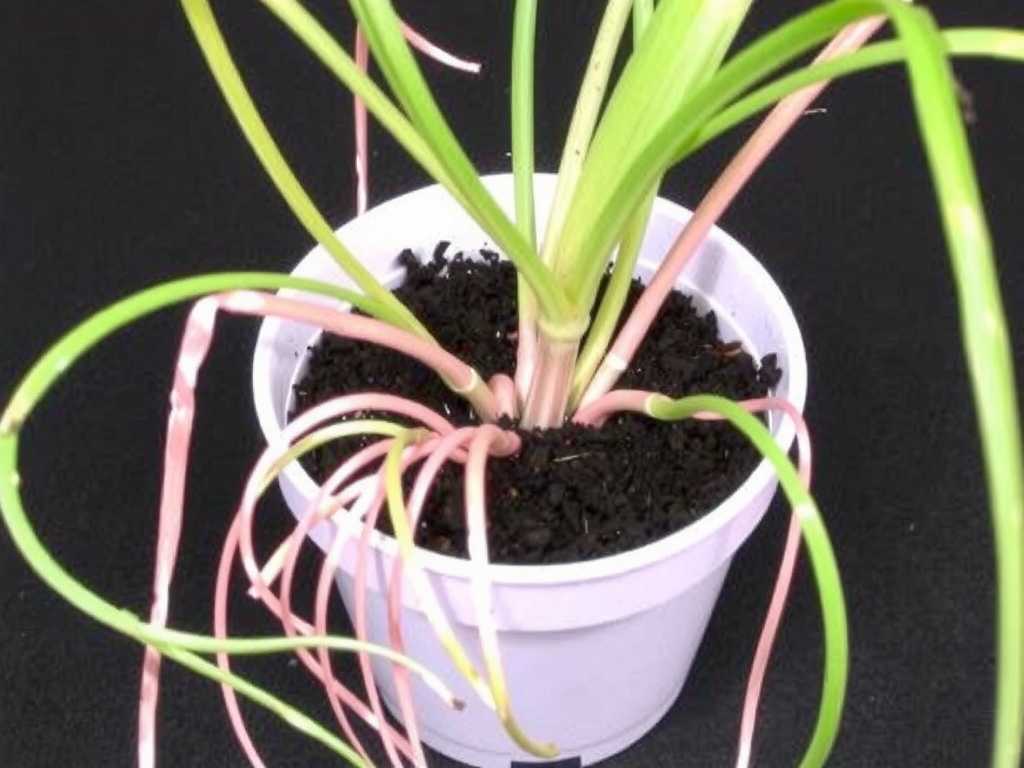
- Symptoms: Brown, mushy, slimy roots or a foul smell from the water/soil base.
- Solution: For water propagation, discard the plant if severely rotted. If caught early, cut away all mushy parts with a sterile tool, change the water, and add a tiny piece of activated charcoal to the jar. For soil, remove the plant, wash the roots, cut away rot, repot in fresh, dry soil, and water very sparingly.
Slow or Stunted Root Growth
- Causes: Insufficient light, water that's too cold, or a plantlet that wasn't mature enough when cut.
- Solution: Ensure the plant gets ample indirect light and is kept in a warm spot. Be patient; some varieties root slower than others. You can try a rooting hormone (suitable for houseplants) when planting in soil to stimulate growth.
Plantlet Wilting After Potting
- Cause: Usually transplant shock, especially when moving from water to soil, or underwatering.
- Solution: Ensure the soil is adequately moist (not wet). Increase ambient humidity by misting lightly or using a plastic bag cover temporarily. Give it time to acclimate.
How can I make my spider plant produce more stolons for propagation? Spider plants often produce stolons in response to being slightly root-bound and experiencing seasonal changes. Providing bright indirect light, not overpotting, and using a balanced fertilizer during the growing season (spring/summer) can encourage runner production. Some maturity is also required; very young plants may not produce stolons.
Is it better to propagate spider plant babies in water or soil? For beginners, water propagation offers visual confirmation and is simple to start. For the healthiest, most resilient plant with no transplant shock, soil propagation is generally considered the superior method. It encourages stronger root systems adapted to soil from the beginning.
How long does it take for a spider plant cutting to root? In ideal conditions, you can see initial root nubs in water within 7-10 days, with roots long enough to pot in 2-3 weeks. In soil, root establishment is less visible but typically occurs on a similar timeline. New top growth is the best indicator of success in soil.
Mastering the care and rooting methods after cutting a spider plant stolon transforms propagation from a hopeful experiment into a guaranteed success. By selecting a mature plantlet, using a clean cut, choosing the rooting method that best suits your goals—whether the observable journey in water or the direct, robust start in soil—and providing consistent after-care, you empower each spiderette to thrive. Pay close attention to light, moisture, and the signs your new plant gives you. With this knowledge, every stolon becomes an opportunity to expand your indoor jungle, share with friends, and enjoy the deeply satisfying cycle of plant life.
发表评论