 admin
admin Spider Plant Division Propagation: The Definitive Sequence for Separating Multiple Clumps
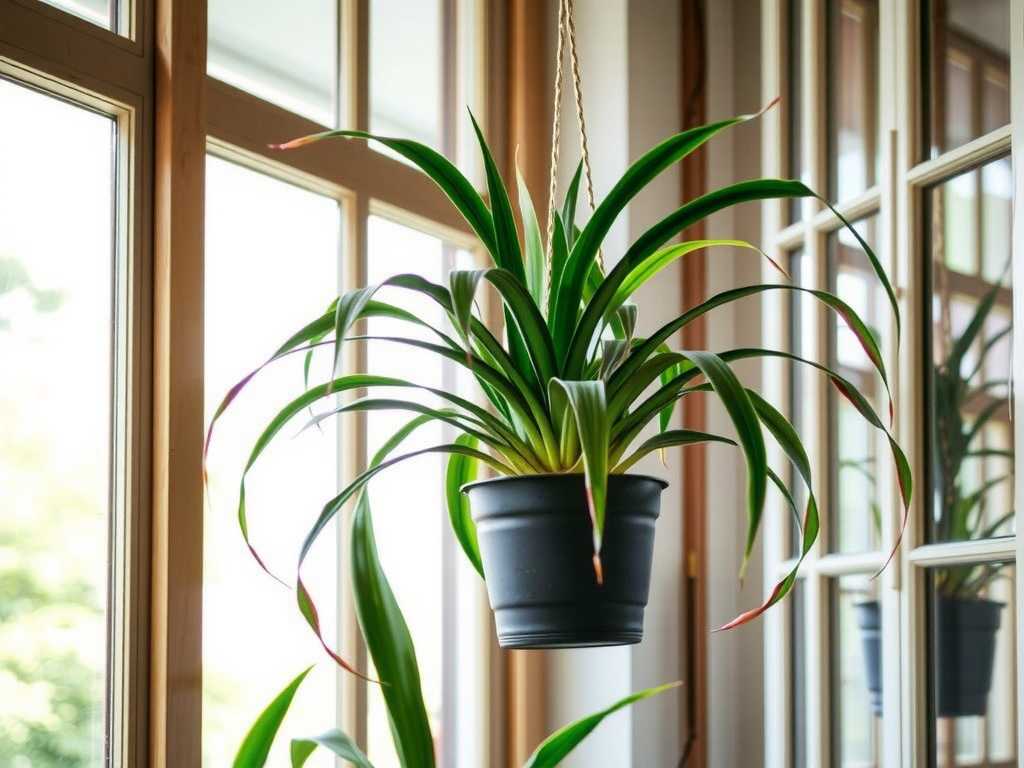
You’ve nurtured your spider plant into a thriving, overflowing masterpiece, bursting with numerous clumps and a cascade of plantlets. It’s a beautiful sight, but now it’s crowded, perhaps root-bound, and not growing as vigorously. The thought of untangling that dense root ball to propagate through division can feel daunting. Where do you even begin? A haphazard approach risks damaging the roots, shocking the plant, and ending up with weak divisions that struggle to survive. The key to success lies not just in the act of dividing, but in following a precise, gentle sequence. This guide will walk you through the exact, step-by-step process for separating multiple clumps, ensuring every new plant gets the best possible start.
Understanding the Why: Benefits of Division for a Multi-Clump Plant
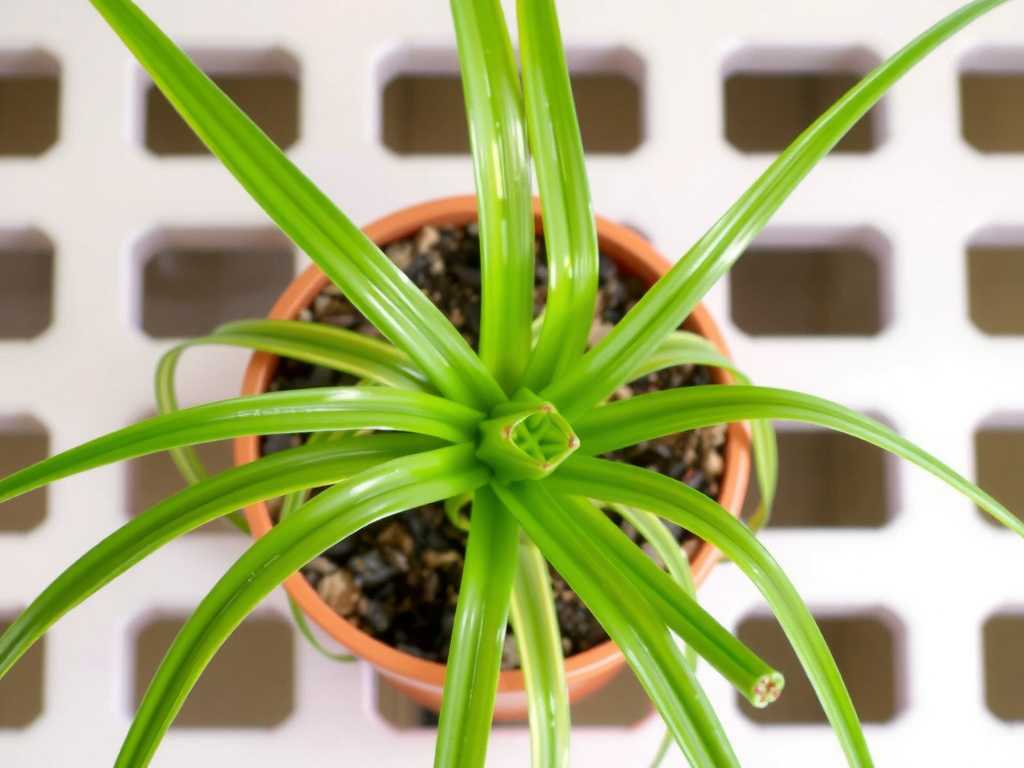
Before we dive into the sequence, it’s crucial to understand why division is the preferred method for a mature, multi-clump spider plant. Unlike propagating the stolon-borne plantlets (spiderettes), which are genetically identical but start life independently, division involves separating the actual mother plant. This technique directly addresses overcrowding, revitalizes the original plant, and instantly creates large, mature new plants. Horticulturists at the Royal Horticultural Society note that division is the fastest way to propagate mature clump-forming perennials, as it immediately provides new plants with established root systems. For your spider plant, this means less waiting time and a higher success rate for each division, provided it’s done correctly.
Pre-Division Preparation: Setting the Stage for Success
A successful division starts long before you make the first cut. Proper preparation minimizes stress on the plant and sets you up for a smooth process.
Gather Your Tools and Materials You will need: a clean, sharp knife or a pair of sterilized pruning shears; fresh, well-draining potting mix (a standard houseplant or peat-free universal mix is perfect); several new pots with drainage holes; a watering can; and a workspace you can easily clean. Sterilizing your cutting tool with rubbing alcohol is a non-negotiable step to prevent the introduction of pathogens into the fresh cuts.
The Optimal Timing The best time for spider plant division propagation is during the active growing season, in spring or early summer. This gives the divisions the entire growing season to establish their root systems in their new pots, leveraging the plant’s natural growth cycle for faster recovery.
Pre-Watering Strategy Water your spider plant thoroughly 24 to 48 hours before you plan to divide it. This ensures the plant is well-hydrated but more importantly, it makes the root system more flexible and easier to work with. Moist soil also holds together better, helping to protect the root mass during the unpotting process.
The Core Sequence: A Step-by-Step Guide to Separating Clumps
This is the heart of the process—the exact sequence for separating multiple clumps without causing unnecessary damage. Follow these steps in order.
Step 1: Gentle Unpotting and Root Ball Assessment Carefully tip the pot on its side and gently ease the entire plant out. Avoid pulling on the leaves. Once free, place the root ball on your workspace. Your first task is not to cut, but to observe. Gently loosen the outer soil with your fingers to get a clear view of the root structure. Identify where the main clumps are connected. Look for natural divisions or “necks” where the clusters of leaves (the clumps) emerge from the root mass. Understanding this natural architecture is your roadmap.
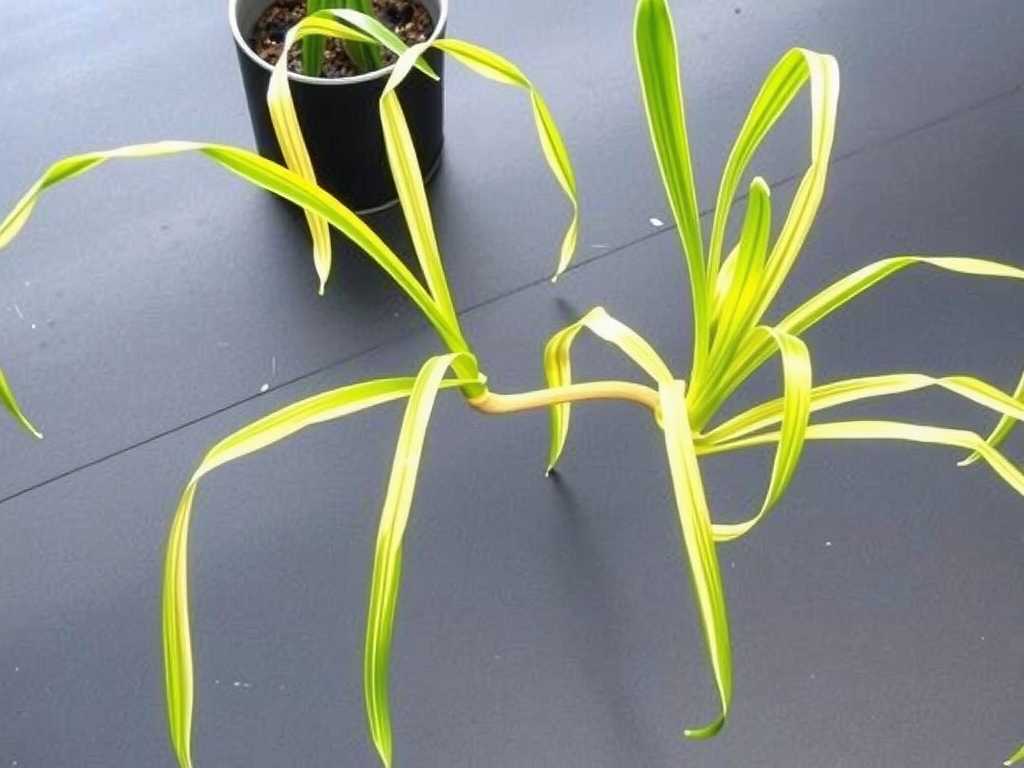
Step 2: The Initial Mass Separation Using your hands, begin to gently tease apart the outermost clumps from the main mass. Work slowly, starting from the bottom of the root ball and moving upwards, carefully pulling roots apart with your fingers. The goal here is to separate the most obvious, loosely connected clumps manually. For a very dense plant, you may need to gently bounce the root ball on the table to help loosen it. Resist the urge to force anything apart; if a section won’t yield to gentle hand pressure, it’s a sign to move to the next step.
Step 3: Strategic Cutting for Dense Connections For clumps that are tightly bound together by a thick network of roots, your sterilized knife becomes essential. Identify the connecting rhizome or root mass between two desired clumps. Make a clean, decisive cut straight through this connective tissue. The aim is to minimize tearing. It’s better to have a few thick, clean cuts than to shred the roots by pulling. Ensure each new division has a healthy cluster of leaves (a clump) and a substantial portion of the white, tuberous roots attached.
Step 4: Root Pruning and Health Check Once you have your individual clumps separated, inspect their roots. Trim away any that are black, mushy, or excessively long and circling using your shears. Lightly pruning the ends of the healthy roots can stimulate new root growth in the fresh soil. This is also the time to trim any damaged or yellowing leaves from the foliage to help the division focus its energy on root establishment.
Step 5: Potting and the First Watering Plant each division in its own pot filled with fresh potting mix. The pot should be only slightly larger than the root mass—spider plants enjoy being somewhat root-bound. Position the plant so the base of the leaves is at the same soil level as before. Fill in around the roots, gently firming the soil to eliminate large air pockets. Here’s a critical step: water each newly potted division thoroughly until water runs freely from the drainage holes. This “settling in” water helps the soil make good contact with the roots.
Post-Division Care: Ensuring Your New Plants Thrive
Your job isn’t over once the pots are filled. Proper aftercare is what bridges the gap between a successful division and a thriving new plant.
The Recovery Environment Place your new spider plants in a location with bright, indirect light. Avoid direct, harsh sunlight, which can scorch the leaves while the plant is recovering. A spot with consistent, moderate temperatures away from drafts is ideal. High humidity can be beneficial; you can group the pots together or use a pebble tray to create a more humid microclimate.
Watering and Feeding Regimen Keep the soil consistently moist but never soggy for the first 2-4 weeks. The goal is to encourage new root growth without causing rot. After the first month, when you may notice new growth, you can revert to the typical “spider plant care” routine of allowing the top inch of soil to dry out between waterings. Hold off on fertilizing for at least 6-8 weeks to avoid burning the new, sensitive roots.
Troubleshooting Common Post-Division Issues If leaves droop or show brown tips immediately after division, don’t panic. This is a common stress response. Maintain consistent care, and the plant should perk up as new roots form. Brown tips can also be trimmed for aesthetics. The primary focus should be on new growth, which is the ultimate sign of success.
How long will it take for my divided spider plant to show new growth? Typically, you can expect to see new leaves emerging within 2 to 4 weeks under ideal conditions. This is a clear signal that the division has rooted successfully and is beginning its active growth phase. Be patient if it takes a little longer, as the plant’s energy is focused below the soil on establishing a strong root foundation first.
Can I divide a spider plant that has baby plantlets (spiderettes) on it? Absolutely. You have two excellent options. You can proceed with the division of the main plant as described, and simply leave the stolons and plantlets attached to their parent clump. They will continue to grow normally. Alternatively, you can snip off the plantlets, root them in water or soil separately, and also divide the mother plant. This gives you multiple propagation projects from a single plant.
What size clump is too small to divide successfully? A viable division should have at least 3-4 healthy leaf clusters and a robust handful of its own roots. Dividing into sections that are too small—a single tiny fan of leaves with minimal roots—puts excessive stress on the plant and significantly lowers its chances of recovery. When in doubt, err on the side of a larger, more robust division. A thriving larger division will grow and produce its own offsets much faster than a struggling, tiny one will.
Mastering the sequence for separating your spider plant’s multiple clumps transforms a potentially stressful task into a simple, rewarding gardening activity. By preparing properly, following the gentle separation steps from assessment to strategic cutting, and providing attentive aftercare, you directly solve the problems of overcrowding and declining vigor. You not only rejuvenate your original plant but also multiply your green bounty, creating full, healthy new spider plants ready to purify your air and grace your space with their elegant arches. Each successful division is a testament to a process done with care and understanding.

发表评论