bluename
 spider plant Hydroponics vs. Soil Culture: A Deep Dive into Propagation Success Rates
Choosing the right method to propagate your spider plants can be surprisingly confusing. You want the fastest growth, the healthiest pups, and the highest chance of success, but conflicting advice online leaves you wondering: is water propagation foolproof, or is traditional soil planting more reliable? This guide cuts through the noise, offering a clear, evidence-based comparison of spider plant hydroponics vs. soil culture, specifically focusing on propagation survival rates. We'll analyze the pros, cons, and ideal scenarios for each method to help you select the best approach for your green thumb.
Understanding Spider Plant Propagation Basics
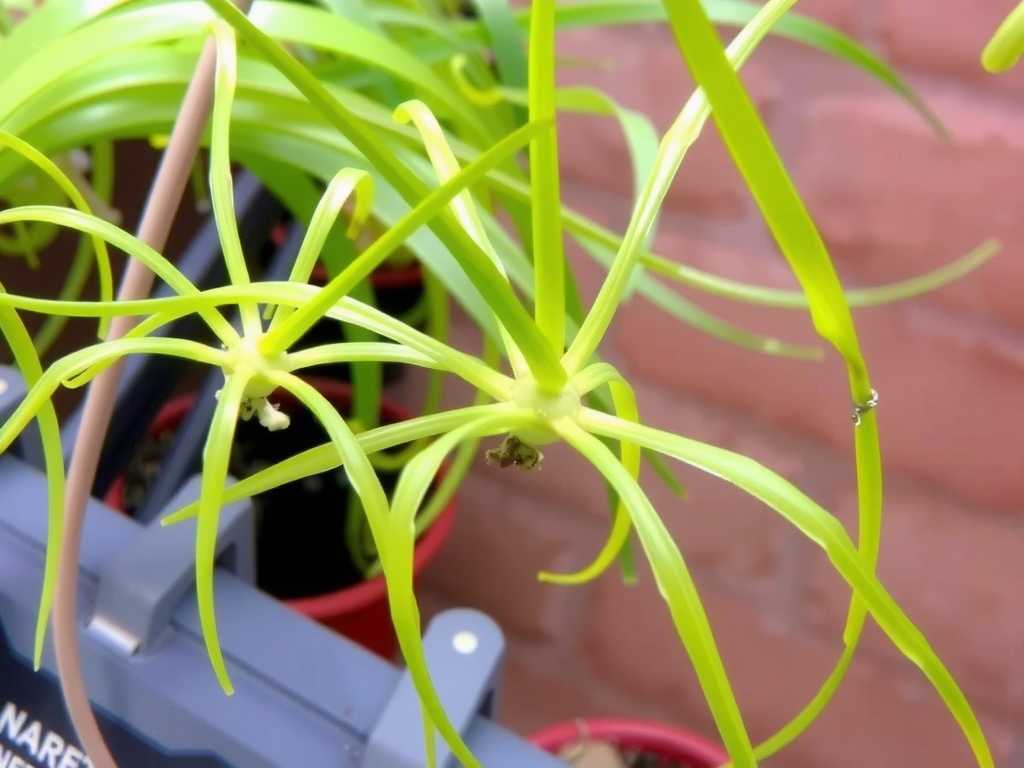
Before comparing methods, it's crucial to understand how spider plants reproduce. They send out long stems called stolons, which produce miniature plants known as "spiderettes" or "pups." These pups can develop tiny aerial roots while still attached to the mother plant. The goal of propagation is to encourage these pups to establish a full, independent root system. The central question in the hydroponics vs. soil debate for spider plants is which environment most effectively and reliably triggers this root development.
Method 1: Hydroponic Propagation (Water Rooting)
Hydroponic propagation, or rooting spider plant babies in water, is immensely popular for its visual appeal and simplicity.
The Process and Its Direct Impact on Survival You simply snip a healthy spiderette from the stolon, optionally leaving a short stem, and place the base in a container of clean water, ensuring no leaves are submerged. Change the water weekly to prevent bacterial growth. Roots typically begin to appear within 7-14 days. This method boasts a high initial success rate for root initiation, often cited by horticulturalists like those at the Royal Horticultural Society as being above 90% for healthy cuttings under good conditions. The transparent container allows you to monitor root health constantly—a significant advantage.
Advantages for Propagation Success
- High Visibility & Control: You can immediately see root development and spot issues like rot early.
- Lower Initial Stress for the Cutting: With constant access to water, the cutting doesn't experience the moisture fluctuation stress it might in soil.
- Faster Initial Root Emergence: The water environment often stimulates quicker initial root growth compared to soil.
Disadvantages and Risks to Survival
- The "Water Root" Transition Shock: Roots grown in water (hydroponic roots) are structurally different from soil roots. They are finer and adapted to absorbing abundant water and nutrients directly. When transferred to soil later, these roots can struggle to adapt, sometimes leading to transplant shock, wilting, or even failure, which can lower the final overall survival rate post-transplantation.
- Risk of Rot: If the stem or leaves are submerged, rot can set in quickly and kill the cutting.
- Long-Term Nutrient Lack: Water contains no nutrients; the pup relies solely on stored energy. For long-term health, it must be transplanted to soil or a nutrient solution.
Method 2: Soil-Based Propagation
Soil propagation involves planting spider plant pups directly into a potting mix. This can be done by rooting detached pups or by layering—pegging a still-attached pup onto a pot of soil while it's connected to the mother plant.
The Process and Its Direct Impact on Survival For detached pups, use a well-draining potting mix. Plant the base of the pup shallowly, keeping the soil consistently moist but not soggy for the first few weeks. The soil propagation success rate for spiderettes is generally very high, as the plant develops roots directly in its final medium. Layering is arguably the most successful technique with a near-100% survival rate, as the pup receives water and nutrients from the mother plant while its roots establish.
Advantages for Propagation Success
- No Transplant Shock: Roots develop in their permanent environment, leading to seamless, uninterrupted growth.
- Stronger Root System: Soil roots are hardier and better adapted to the varying moisture and air conditions of a pot, building a more resilient plant from the start.
- Simplicity and Lower Long-Term Risk: It's a one-step process. Once rooted in soil, the plant requires standard care without the risky transition phase from water.
Disadvantages and Risks to Survival
- "Black Box" Phase: You cannot see root development. You must infer progress from new leaf growth, which can be a test of patience.
- Moisture Management Challenge: Overwatering is the primary cause of failure, leading to rot before roots can establish. Underwatering can cause the pup to desiccate.
- Potentially Slower Initial Signs: While root development may be ongoing, visible top growth might seem slower compared to watching roots grow in water.
Head-to-Head Comparison: Survival Rates and Selection Guide
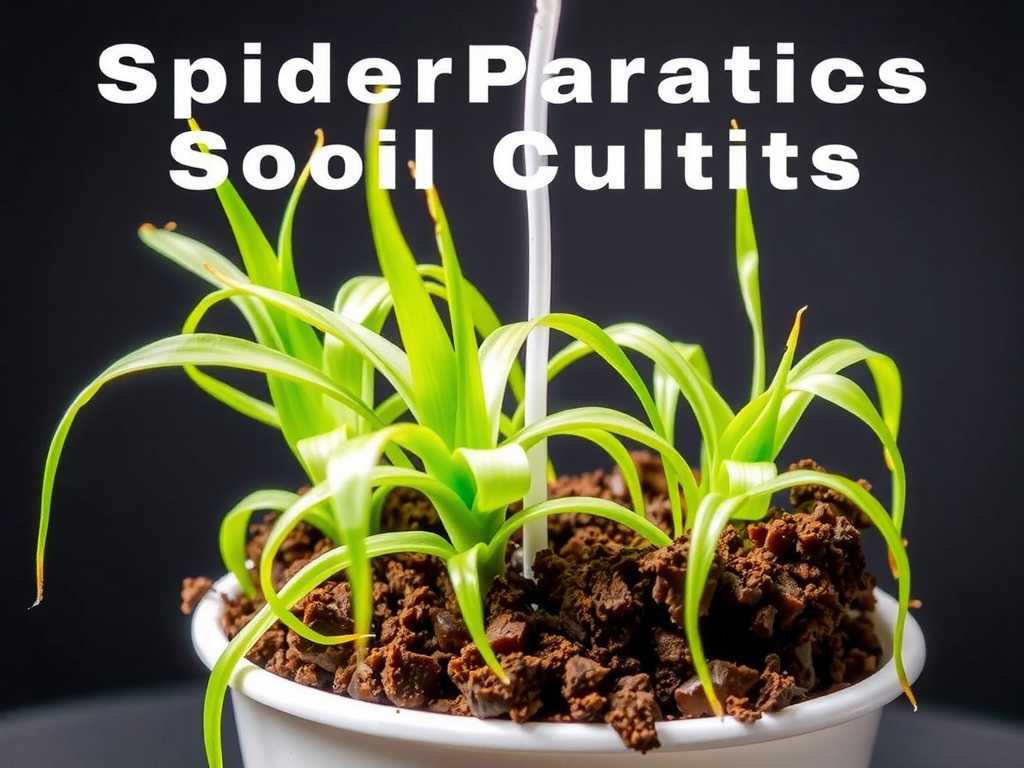
So, which method truly offers better spider plant propagation survival rates? The answer isn't absolute; it depends on your goals and experience.
Quantifying Success: Water vs. Soil
- Initial Rooting Phase: Water propagation often has a slight edge in visible success during the first 2-3 weeks. The conditions are easy to control, leading to a high percentage of cuttings that sprout roots.
- Long-Term Establishment Phase: Soil propagation, especially layering, typically wins for overall survival to a mature, thriving plant. It eliminates the critical failure point of water-to-soil transition. A study in the Journal of Environmental Horticulture noted that plants rooted directly in their final medium often exhibit stronger early growth phases due to the absence of transplant stress.
How to Choose the Best Method for You Choose Hydroponic (Water) Propagation if:
- You are a beginner who finds motivation in seeing the roots grow.
- You want to propagate for decorative purposes in water long-term (using a diluted nutrient solution).
- You are propagating a small number of pups and don't mind the extra transplant step.
Choose Soil-Based Propagation if:
- Your ultimate goal is a potted soil-grown plant and you want the most straightforward, reliable path.
- You are propagating many pups and want to minimize steps and care routines.
- You are prone to overwatering during the transplant phase from water to soil.
- You can use the layering method (highest guaranteed success).
For the absolute highest survival rate, many expert growers recommend a hybrid approach: start the pup in water to enjoy the visible root growth and ensure root initiation, but transplant it to soil early, once the roots are just 1-2 inches long, to minimize transition shock and build stronger soil-adapted roots.
Is it better to propagate spider plants in water or soil? For long-term, resilient potted plants, soil propagation is generally better as it avoids transplant shock. For visual learning and short-term display, water propagation is excellent. The "best" method depends on whether you prioritize observation or final establishment success.
Why do my spider plant pups rot in soil? Rot in soil is almost always caused by overwatering or a poorly draining potting mix. The base of the pup needs moisture but also oxygen. Use a light, airy mix and water only when the top inch of soil feels dry. Ensure your pot has drainage holes.
How long does it take for spider plant pups to root in water vs. soil? In water, you will typically see small white roots emerging within 7-14 days. In soil, root development takes a similar timeframe, but you won't see it. Wait for signs of new leaf growth, which usually indicates successful rooting, within 2-4 weeks.
Selecting the right propagation method empowers you to maximize your success. Water propagation offers an engaging and highly effective way to initiate roots, making it perfect for beginners and educational projects. Soil propagation provides a robust, one-step solution that builds a hardy plant from the outset, often yielding a higher rate of successful long-term establishment. By understanding the strengths and risks of each—particularly the critical transition phase from water to soil—you can confidently choose the technique that best aligns with your gardening style. Whether you root in a clear vase or directly in a pot of soil, witnessing new life take root is a rewarding experience that both methods can reliably provide.