bluename
 spider plant Runner Propagation: Techniques for Batch Utilization of Multiple Runners
You’ve nurtured your spider plant (Chlorophytum comosum) into a prolific beauty, and now it’s sending out a cascade of elegant runners adorned with tiny plantlets. While snipping and potting a single baby spider plant is straightforward, what do you do when you’re suddenly presented with a dozen or more runners? The abundance can feel overwhelming. The common dilemma is either neglecting most of these potential new plants or engaging in a slow, one-by-one propagation process that stretches for months. This guide is designed to transform that challenge into your greatest gardening opportunity. We will explore efficient, batch-processing techniques for spider plant runner propagation, specifically focusing on strategies to harness multiple runners simultaneously. This approach maximizes your efforts, allowing you to create a lush collection of new plants for your home, gifts, or even a small-scale plant project in one coordinated effort.
Understanding the Spider Plant Runner: Your Key to Abundance
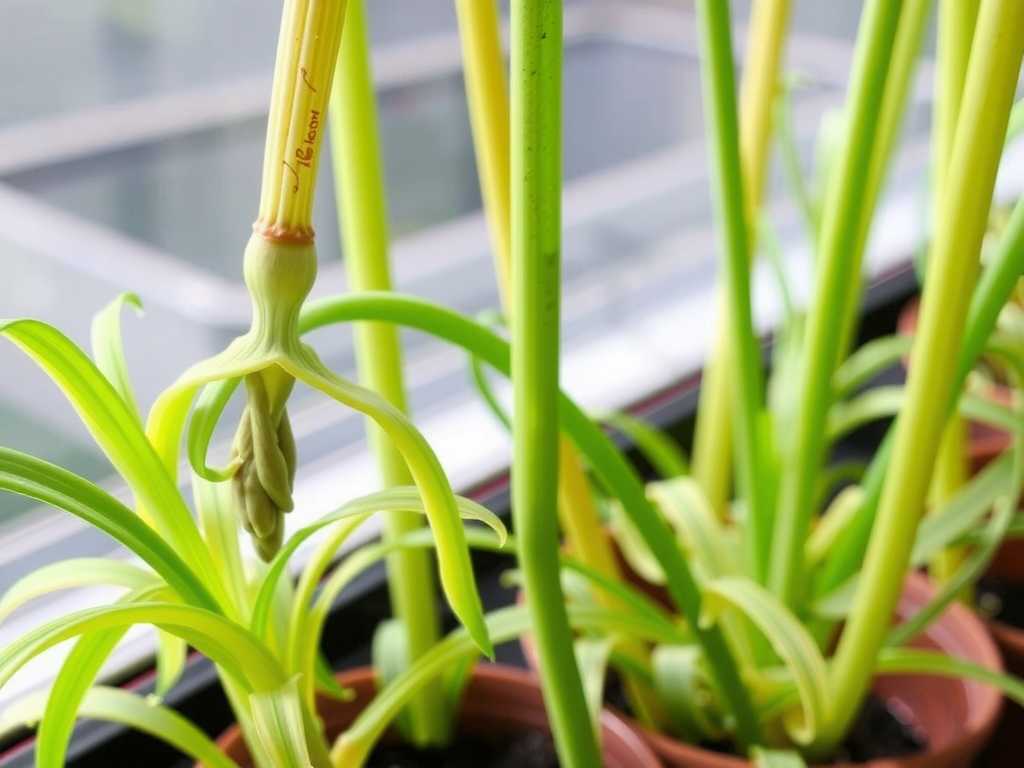
Before diving into batch techniques, it’s crucial to understand what you’re working with. The long, arching stems your spider plant produces are called stolons or, more commonly, runners. Each runner is the plant’s natural strategy for vegetative propagation. At nodes along these stems, the plant develops miniature versions of itself, complete with nascent roots (often visible as small nubs). This biological design is your green light for batch utilization of multiple runners. The plant is already pre-programmed for multiplication; our job is to create the optimal conditions for many of these plantlets to root and thrive at the same time. According to horticultural principles, the energy stored in these plantlets makes them highly resilient, perfect for simultaneous propagation projects.
Pre-Propagation Preparation: Setting the Stage for Success
Successful batch propagation begins long before you make the first cut. Proper preparation ensures a high success rate and minimizes stress on both the parent plant and the offspring.
- Assessing Runner Readiness: Not all plantlets are created equal. For batch processing, select runners where the plantlets have developed clearly visible aerial root nodules. These are the small, white or brown bumps at the base of the plantlet. Larger plantlets (2-3 inches in diameter) with several leaves have more energy reserves and will establish themselves faster in a group setting.
- Gathering Your Supplies in Bulk: Since you’ll be handling multiple plantlets, organize your materials assembly-line style. You will need:
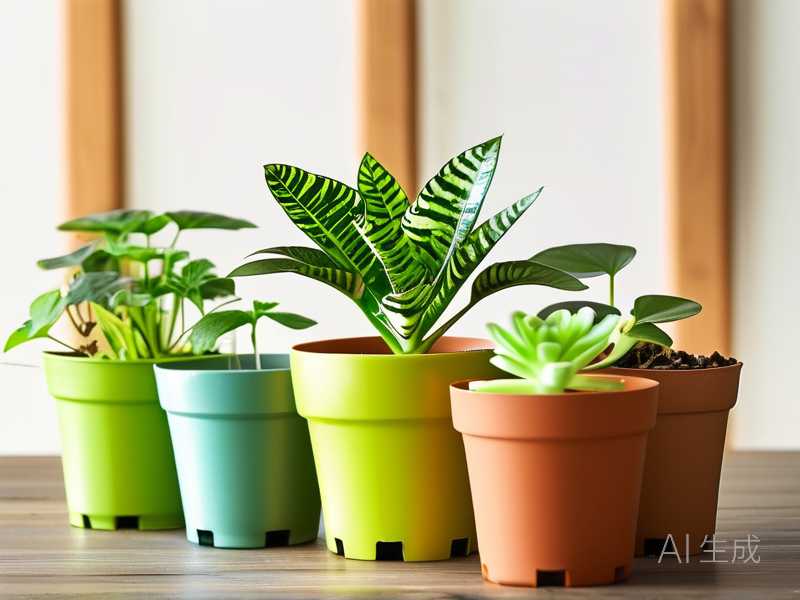
- Multiple small pots (3-4 inch) or cell trays: Ensure each has adequate drainage holes.
- Fresh, well-draining potting mix: A standard houseplant or peat-perlite mix is ideal.
- A sharp, sterilized blade or scissors: Clean with isopropyl alcohol to prevent disease spread.
- Optional for water propagation: Several small glasses, jars, or a large shallow tray.
- A watering can with a fine rose and rooting hormone (optional but beneficial).
Core Batch Propagation Techniques for Multiple Runners
Here are the most effective methods for handling numerous spider plant runners at once. Choose based on your space, resources, and desired timeline.
Method 1: The Direct Potting Assembly Line
This is the most efficient soil-based method for producing multiple spider plants quickly. It minimizes transplant shock by starting the plantlets directly in their first home.
- Detach the Plantlets: Sever the chosen plantlets from the runner using your sterilized tool. Leave a small section of the runner stem (about half an inch) attached to the plantlet; this stem can be buried and often roots as well.
- Prepare the Planting Stations: Fill all your small pots or cells with pre-moistened potting mix. Create a small planting hole in the center of each.
- Plant in Batches: Dip the base of each plantlet in water, then into rooting hormone powder if using. This step, done in batches, can significantly accelerate uniform root development. Place one plantlet per pot, firming the soil gently around its base.
- Create a Mini-Greenhouse Environment: Group all the newly potted plantlets together in a bright, warm location out of direct sun. You can cover them loosely with a clear plastic bag or place them under a humidity dome. This shared environment conserves moisture and creates an ideal microclimate for rooting.
- Care for the Batch: Keep the soil consistently lightly moist but not soggy. Remove the cover for an hour daily to prevent mold. Within 1-2 weeks, you should notice new growth, indicating successful root establishment.
Method 2: Mass Water Propagation Station
This method is excellent for visual learners and allows you to monitor root growth on dozens of plantlets simultaneously. It’s perfect for maximizing spider plant yield from a single parent.
- Detach and Group: Similar to Method 1, snip the plantlets from the runner, ensuring each has its node and root nubs intact.
- Set Up Water Vessels: Use individual small containers (like shot glasses, test tubes, or jars) or a large, shallow tray filled with water. If using a shared tray, ensure plantlets aren’t crowded.
- Suspend the Plantlets: Place each plantlet so only its base and root nubs are submerged. The leaves must remain completely dry to prevent rot. For individual vessels, this is simple. For a tray, you may use a piece of Styrofoam or cardboard with holes punched in it to suspend the plantlets.
- Batch Maintenance: Place the entire water propagation station in bright, indirect light. Change the water every 3-4 days to keep it oxygenated and prevent bacterial growth. You will see roots developing on most plantlets within a week.
- Batch Transplanting: Once a healthy network of roots reaches about 1-2 inches long (typically in 2-3 weeks), you can transplant the entire batch into their individual pots of soil. This synchronized move makes care more manageable.
Advanced Strategy: The “On-the-Runner” Batch Method
For an even more hands-off approach, you can propagate multiple plantlets while they are still attached to the mother plant.
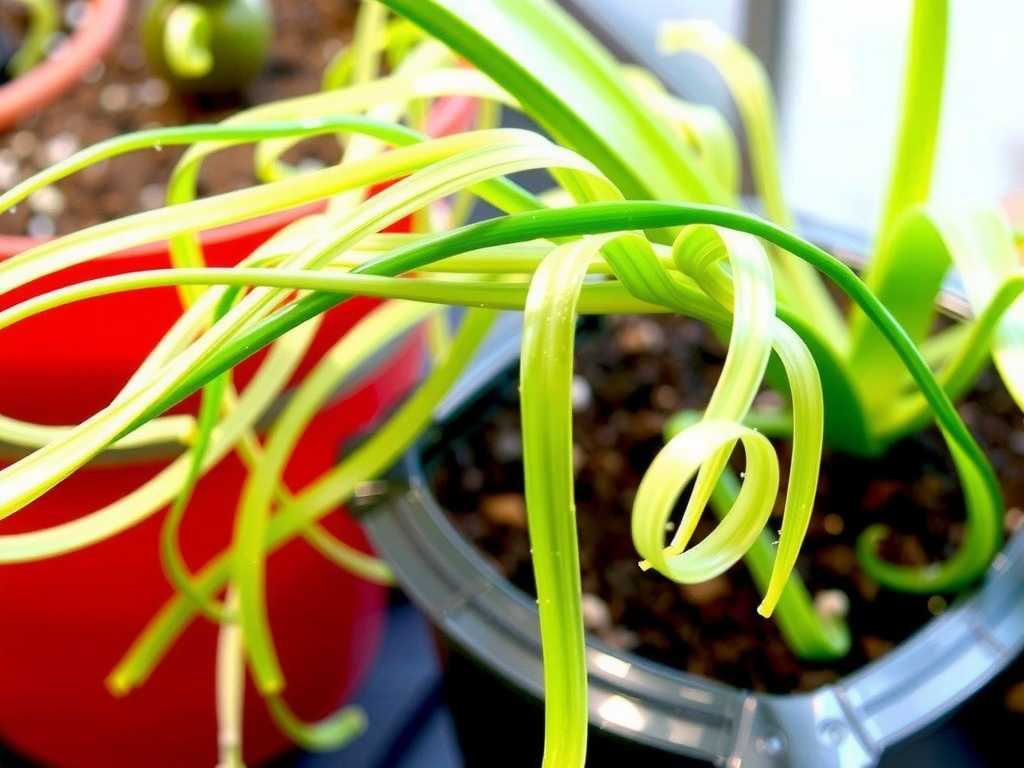
- Position Small Pots Around the Parent Plant: Fill several small pots with soil and arrange them on a table or the floor around the mother plant’s container.
- Secure Plantlets in Place: Gently guide each plantlet onto the soil surface of its own pot. Use a bent paperclip, piece of wire, or a small stone to pin the base of the plantlet to the soil, ensuring good contact.
- Care for the Connected System: Water these satellite pots regularly. The plantlets will draw nutrients from the mother plant while simultaneously rooting into their new soil. This shared-resource system supports a whole group at once.
- Sever After Rooting: After 3-4 weeks, check for resistance by giving a plantlet a gentle tug. If it’s anchored, you can sever the runner connecting it to the mother. You now have a batch of already-established, independent plants.
Post-Propagation Care for Your New Batch
Your job isn’t done once roots form. Caring for your new cohort as a unit ensures they all flourish.
- Light: Provide bright, indirect light for the entire group. Avoid direct sunlight, which can scorch tender new plants.
- Watering: Water the batch when the top inch of soil feels dry. Grouping pots together helps maintain a more consistent humidity level around them.
- Feeding: Wait at least 4-6 weeks after potting in soil before applying a half-strength dose of balanced liquid fertilizer. This allows the root systems to establish fully.
Troubleshooting Common Batch Propagation Issues
- Yellowing Leaves: Often a sign of overwatering, especially in high-humidity propagation setups. Ensure pots drain well and allow the soil surface to dry slightly between waterings.
- Slow or No Root Growth: Check that plantlets had mature root nodules. Insufficient light or temperatures that are too cool can also stall growth. Ensure the batch is kept above 65°F (18°C).
- Plantlets Rotting at the Base: This is usually caused by the crown (where leaves meet the base) being buried in soil or submerged in water. During potting, keep the crown just above the soil line.
How long does it take for a batch of spider plant babies to root? In water, roots typically appear within 7-14 days. In soil under ideal humid conditions, root establishment takes 2-3 weeks, with new top growth signaling success.
Can I propagate spider plant runners directly in a large communal pot? It’s not recommended for long-term health. While you can start several plantlets in one larger pot, they will quickly compete for space and nutrients. Individual pots allow for better root development and make it easier to address individual plant needs or issues like overwatering.
What should I do with all the new spider plants I’ve created? Beyond expanding your indoor jungle, they make wonderful, sustainable gifts. Consider donating them to community gardens, schools, or plant swaps. You can also create stunning layered displays by grouping plants of different sizes back into a single large hanging basket.
Mastering spider plant runner propagation through batch techniques turns a single prolific plant into a continuous source of new growth. By employing an assembly-line approach, whether in soil, water, or while still attached, you efficiently scale a simple gardening task into a rewarding project. This large-scale spider plant propagation method not only saves time but also deepens your understanding of plant growth cycles. Embrace the abundance your spider plant offers. With these strategies, you’re no longer just caring for one plant; you’re managing a verdant, self-perpetuating collection.