bluename
 spider plant Seed Propagation: The Ultimate Guide to Soil Covering Thickness (1cm vs. 2cm)
You've carefully collected seeds from your vibrant spider plant, ready to grow a new generation of these air-purifying champions. You prepare your potting mix, sow the tiny seeds, and then pause, faced with a critical question that can make or break your propagation success: how much soil should I cover them with? A light dusting? A full centimeter? More? Getting this depth wrong is a common, frustrating pitfall for gardeners, often leading to seeds that never sprout or seedlings that struggle to emerge. This guide cuts through the uncertainty, providing a clear, evidence-based comparison between the two most recommended depths: 1cm versus 2cm of soil cover.
We'll explore how this single factor influences moisture, temperature, germination rates, and seedling vigor, empowering you to choose the perfect depth for your specific conditions.
Understanding Spider Plant Seeds and Their Germination Needs
Spider plant seeds, produced after the small white flowers fade, are small, black, and angular. Unlike the hardy plantlets (spiderettes) for which the plant is famous, seeds represent a more delicate, sexual reproduction method. Their success hinges on creating a precise micro-environment.
Germination requires a harmonious balance of moisture, warmth, and oxygen. The soil covering plays a starring role in managing all three. It protects the seed from drying out, buffers temperature fluctuations, and provides the physical resistance the seedling must push through to reach the light. Too thin a layer, and seeds may dry out or be dislodged. Too deep, and they may exhaust their energy reserves before breaking the surface or succumb to rot.
The 1cm Soil Covering: A Detailed Analysis
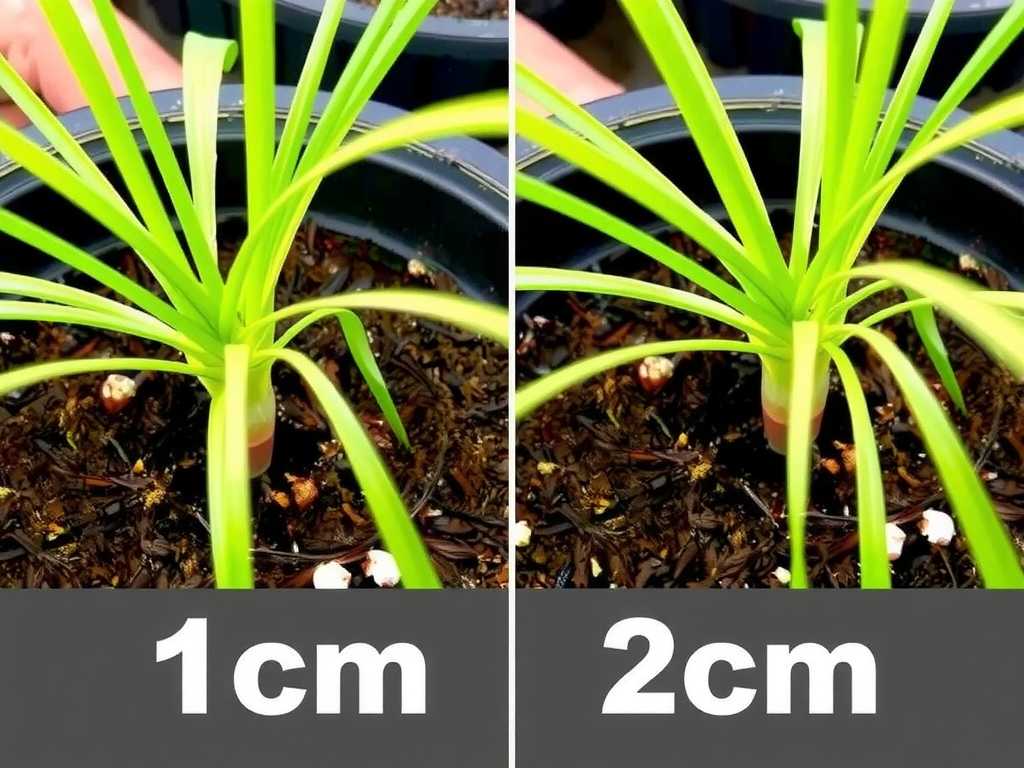
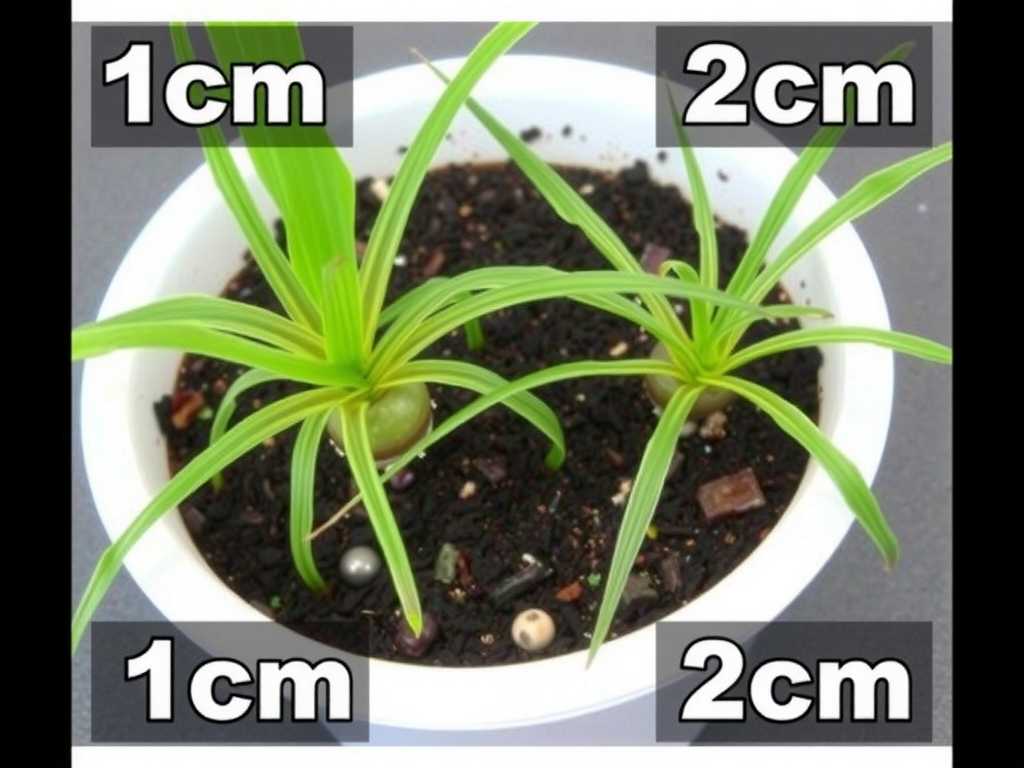
A 1cm (approximately 0.4 inches) soil covering is often cited as the standard starting point for many small seeds, including spider plants. This depth offers a specific set of advantages and challenges.
Pros of a 1cm Covering
The primary benefit is faster seedling emergence. With less soil to penetrate, strong seedlings can often reach the surface more quickly, sometimes in 10-14 days under ideal conditions. This reduces the time the seed is vulnerable to soil-borne fungi in the damp germination medium. Furthermore, a shallower layer allows for slightly better gas exchange, ensuring the seed receives ample oxygen, a crucial component for the metabolic processes of germination.
It also allows the soil temperature to respond more rapidly to warmth from a propagation mat or a sunny windowsill, which can kickstart germination.
Cons and Risks at 1cm Depth
The most significant risk is rapid moisture loss. A thin layer of soil can dry out in a matter of hours under warm, dry conditions. This demands vigilant monitoring and potentially more frequent, gentle misting to keep the surface consistently moist but not waterlogged. There is also less buffer against physical disturbance from watering or environmental factors.
As noted by horticulturist Dr. Linda Chalker-Scott in her work on seed propagation, "A shallow planting depth requires impeccable moisture management. For the forgetful waterer, it's a high-risk strategy."
The 2cm Soil Covering: A Detailed Analysis
Opting for a 2cm (approximately 0.8 inches) soil covering is a more conservative approach. This depth provides a more stable and protected environment for the developing seed.
Pros of a 2cm Covering
The greatest advantage is superior moisture retention. The extra soil acts as a reservoir, maintaining a consistent, humid environment around the seed for longer periods between waterings. This reduces the frequency of required intervention and lowers the risk of fatal drying out.
It also offers better insulation against temperature swings, keeping the seed's environment more stable. Furthermore, it provides a more secure anchor for the seedling once it emerges, encouraging stronger initial root development as it travels a slightly longer path.
Cons and Risks at 2cm Depth
The main trade-off is potentially slower emergence. The seedling must expend more energy to push through the additional soil, which can delay germination by several days to a week. There is also a marginally increased risk of "damping-off," a fungal disease, if the soil medium is not well-draining, as the deeper environment stays moist for longer.
The seedling's journey to light is longer, so ensuring the seed has enough stored energy is critical.
Head-to-Head Comparison: 1cm vs. 2cm for Spider Plant Seeds
Let's break down the key performance indicators side-by-side.
Moisture Retention and Watering Frequency
The 2cm depth is the clear winner for maintaining consistent moisture. It requires less frequent watering, making it more forgiving. The 1cm depth demands a disciplined watering schedule, often needing light misting once or even twice daily in dry environments.
Germination Speed and Success Rate
While 1cm can lead to faster emergence, it does not necessarily guarantee a higher success rate. In controlled, ideal conditions (e.g., a humidity dome), 1cm may show quicker results. However, in average home conditions, the 2cm depth often produces a more reliable and consistent germination rate because it protects against the common pitfall of drying out. Success depends heavily on your ability to maintain perfect surface moisture.
Seedling Strength and Early Development
This is a nuanced area. Seedlings from a 1cm depth emerge quickly but can be slightly more leggy and fragile initially. Seedlings from a 2cm depth, having pushed through more resistance, often exhibit a sturdier stem and a more established root system from the outset. They may be slower to appear but are sometimes more robust.
Best Practices for Sowing at Your Chosen Depth
No matter which depth you choose, proper technique maximizes your chances.
Preparing the Ideal Seed-Starting Mix
Never use garden soil. Create a sterile, light, and well-draining medium. A 50:50 mix of fine peat moss or coco coir and perlite is excellent. This ensures moisture retention without waterlogging, providing the perfect bed for both 1cm and 2cm sowing.
Sowing Technique and Post-Planting Care
Moisten the mix thoroughly before sowing. Sprinkle seeds evenly on the surface. Using a small sieve, gently dust your chosen depth of dry seed-starting mix over the seeds. This prevents displacing them. Label your container.
Place the pot in a warm location (70-75°F or 21-24°C is ideal) with bright, indirect light. Cover the pot with a clear plastic bag or dome to create a mini-greenhouse, which is especially crucial for the 1cm method. Ventilate daily to prevent mold.
Troubleshooting Common Issues
Seeds Not Germinating: If sown at 1cm, the likely cause is drying out. If sown at 2cm, it could be slow due to depth, cool temperatures, or old/non-viable seeds. Check moisture and warmth.
Seedlings Leggy or Weak: This indicates insufficient light. Move them to a brighter location immediately after emergence.
Mold on Soil Surface: This signals excessive moisture and poor air circulation. Remove any affected material, increase ventilation, and ensure your covering dome is removed for part of the day.
Expert Recommendations and Final Verdict
For most home gardeners, especially beginners or those in less-than-humid environments, the 2cm soil covering is the recommended and more forgiving choice. The margin for error is wider, and the consistent moisture it provides leads to reliable germination without the need for constant vigilance.
The 1cm depth is best reserved for experienced propagators who can provide ideal, controlled conditions with consistent surface moisture, such as in a dedicated propagation tray with a heat mat and humidity dome.
Will seeds germinate if planted too deep? Yes, spider plant seeds planted significantly deeper than 2cm may still germinate, but the emergence rate will drop sharply. The seedling may exhaust its energy reserves before reaching the surface, or it may rot in the cool, damp, deep soil. Sticking to the 1-2cm range is crucial.
Can I just sprinkle seeds on the soil surface without covering them? While some seeds require light to germinate, spider plant seeds do not. Surface sowing exposes them to extreme drying and poor soil contact, leading to very low germination rates. A light covering is always necessary.
How long does it take for spider plant seeds to sprout? Under optimal conditions (warm, moist, 1cm depth), you may see sprouts in 10-20 days. At a 2cm depth, it may take 14-30 days. Patience is key, as viability and conditions can cause variation.
Choosing the right soil depth is a simple yet profound step in successful spider plant seed propagation. By understanding the trade-offs between the quicker, high-maintenance 1cm approach and the slower, more reliable 2cm method, you can align your technique with your environment and gardening style. Remember, consistency in moisture and warmth is far more important than a difference of a few millimeters. By providing a stable start, whether under a shallow or slightly deeper blanket of soil, you give your spider plant seeds the strongest possible foundation for a lifetime of lush, green growth.