bluename
 spider plant Propagation: Priority Comparison Between Spring Division vs. Autumn Division
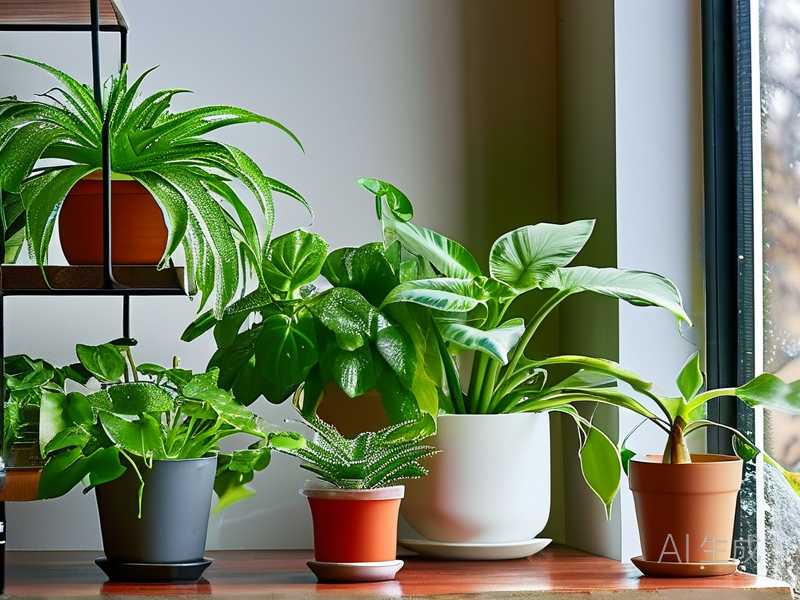
You’ve nurtured your spider plant into a lush, mature beauty, overflowing with baby plantlets. Now, you’re ready to multiply your green family through division—the most reliable method for a quick, healthy new plant. But a critical question stops you: When is the absolute best time to do this? Choosing the wrong season can mean the difference between a thriving new spider plant and one that struggles for months, stunting its growth and testing your patience. The debate often centers on two primary contenders: the vibrant energy of spring and the calm preparation of autumn. This guide will provide a definitive, priority-based comparison between spring division and autumn division for spider plants, empowering you to make the perfect choice for robust propagation success.
Understanding the Science of Plant Division
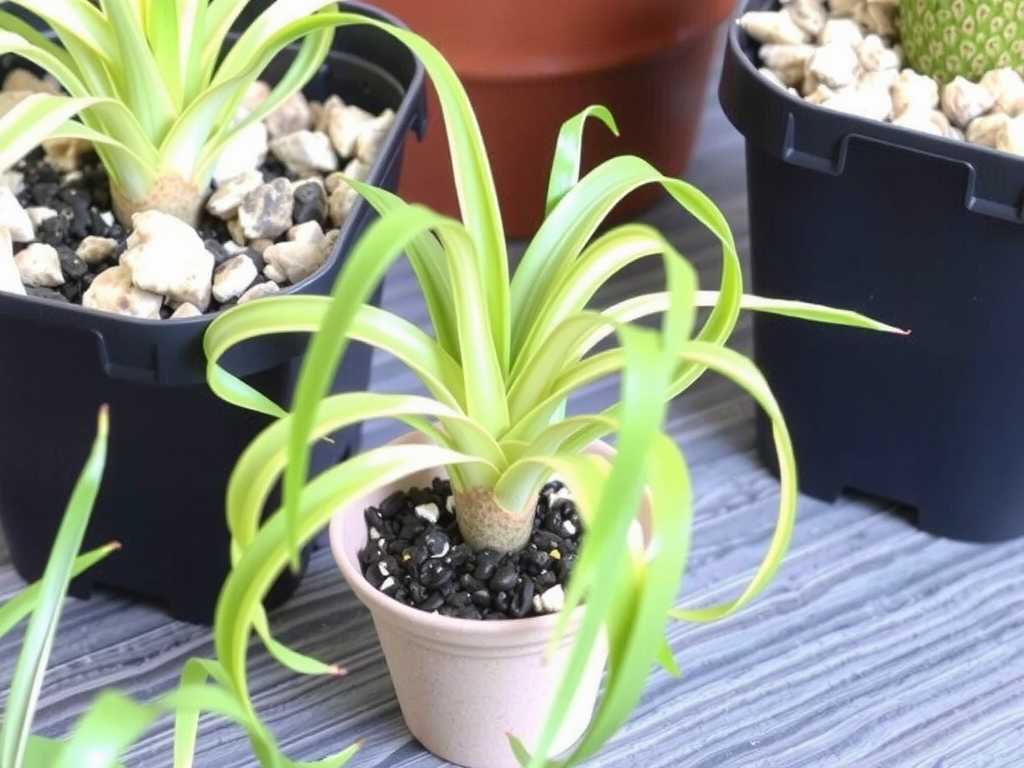
Before comparing seasons, it’s essential to understand what division entails and why timing is so crucial. Division is more than just cutting a plant in half. It’s a major surgical procedure for your spider plant. You are separating a mature root ball (the rhizomes and tuberous roots) into sections, each with its own leaves and root system. This process inevitably causes root damage and shock. The goal is to perform this operation when the plant is in its optimal state to heal quickly and redirect energy into new growth, not merely survival. Horticultural studies, such as those cited by the Royal Horticultural Society, emphasize that successful division aligns with a plant’s natural growth cycles, minimizing stress and maximizing recovery potential.
The Case for Spring Division: Harnessing the Growth Surge
Spring is widely regarded as the premier season for dividing most perennials, including the resilient spider plant (Chlorophytum comosum). Here’s why this season holds a strong priority for many gardeners.
Alignment with Natural Growth Cycles As daylight lengthens and temperatures rise, your spider plant exits its winter dormancy. It senses the favorable conditions and mobilizes its energy reserves for a season of vigorous growth. Dividing at the very beginning of this active phase, typically in early to mid-spring, allows the newly separated sections to immediately ride this wave of natural energy. The plant’s biological programming is already set to “grow,” meaning it will rapidly produce new roots and foliage to establish itself.
Optimal Environmental Conditions Spring offers a perfect harmony of elements that support recovery:
- Warmer Soil: Roots grow actively in warm (not hot) soil, allowing divisions to establish quickly.
- Ample Moisture: Spring rains and consistent watering help new roots access water without the stress of summer drought.
- Longer, Gentler Sunlight: Increased but not yet intense sunlight provides ideal conditions for photosynthesis, fueling recovery without the risk of scorch.
Maximizing the Growing Season A spring-division gives your new spider plant the entire long growing season ahead to develop a strong, extensive root system and abundant foliage. By the time winter arrives, it will have transformed into a sturdy, well-established plant capable of weathering the slower months with ease. This long runway is its greatest advantage.
The Argument for Autumn Division: A Season of Quiet Establishment
Autumn division is a practiced technique, especially in milder climates, and focuses on a different strategic advantage.
Root-Focused Recovery In autumn, as air temperatures cool, the plant’s top growth naturally slows down. However, the soil remains warm from the summer sun well into the fall. This creates a unique window where the plant’s energy can be directed almost exclusively toward root development rather than supporting leaf production. The division can focus on establishing a strong root system in the cozy soil without the demand to also push out new leaves.
Reduced Heat and Water Stress By dividing in early autumn, you avoid the intense heat and potential drought stress of summer. The plant isn’t battling to conserve moisture in scorching conditions, which reduces the risk of transplant shock and simplifies your care routine—less worry about frequent watering.
A Head Start on Spring A successfully established autumn division enters its winter rest with a ready-made root system. When spring finally arrives, it is poised to explode with growth immediately, often outperforming a sibling divided that same spring. It has already done the hard work of settling in.
Priority Comparison: Spring vs. Autumn for Spider Plants
So, which season should you prioritize? For the vast majority of indoor gardeners and in most climates, spring division is the unequivocal first-choice recommendation.
Why Spring Takes Priority:
- Predictable Success: The combination of innate plant vigor and ideal, steadily improving conditions makes success highly predictable and often faster.
- Forgiving Nature: If a division experiences slight setback, the long season ahead provides ample time for course correction and recovery.
- Expert Consensus: Most professional horticulturists and extension services, like those from university agricultural departments, recommend spring division for tender perennials like spider plants. Their authority is based on consistent, observable results that favor the spring surge.
When Autumn Division is a Viable Alternative: Autumn division can be a strategic secondary option under specific circumstances:
- In USDA Hardiness Zones 9-11 or similarly mild climates where winters are very gentle and frost-free.
- If you missed the spring window and your plant is severely pot-bound and suffering, an early autumn division is a better intervention than waiting another six months.
- For experienced gardeners who can provide precise post-division care, including protection from early frosts.
The critical risk with autumn division is timing. If done too late, the roots won’t establish before the soil turns cold, leaving the division vulnerable to rot or failure over winter.
Your Step-by-Step Guide to Successful Division (In Your Chosen Season)
Whether you choose the priority spring method or the strategic autumn option, the process is the same. Follow these steps for the best results.
Preparation: Gather Your Tools You will need a clean, sharp knife or pruning shears, fresh well-draining potting mix, and new pots with drainage holes. Sterilize your cutting tool with rubbing alcohol to prevent disease transmission.
The Division Process
- Water your spider plant thoroughly 24 hours before to reduce stress and make roots more pliable.
- Gently remove the plant from its pot. Lay it on its side and carefully tease apart the root mass with your fingers.
- Identify natural separation points—clusters of leaves with their own attached roots (rhizomes). Your goal is to create divisions with several healthy leaves and a substantial amount of roots.
- For tough, tangled roots, use your sterilized knife to cleanly cut through the rhizomes. Avoid making many small, rootless divisions.
- Pot each new division into a container just large enough for its roots, using fresh potting mix. Plant at the same depth it was growing before.
- Water the divisions well to settle the soil around the roots, and place them in a location with bright, indirect light.
Post-Division Care for Recovery
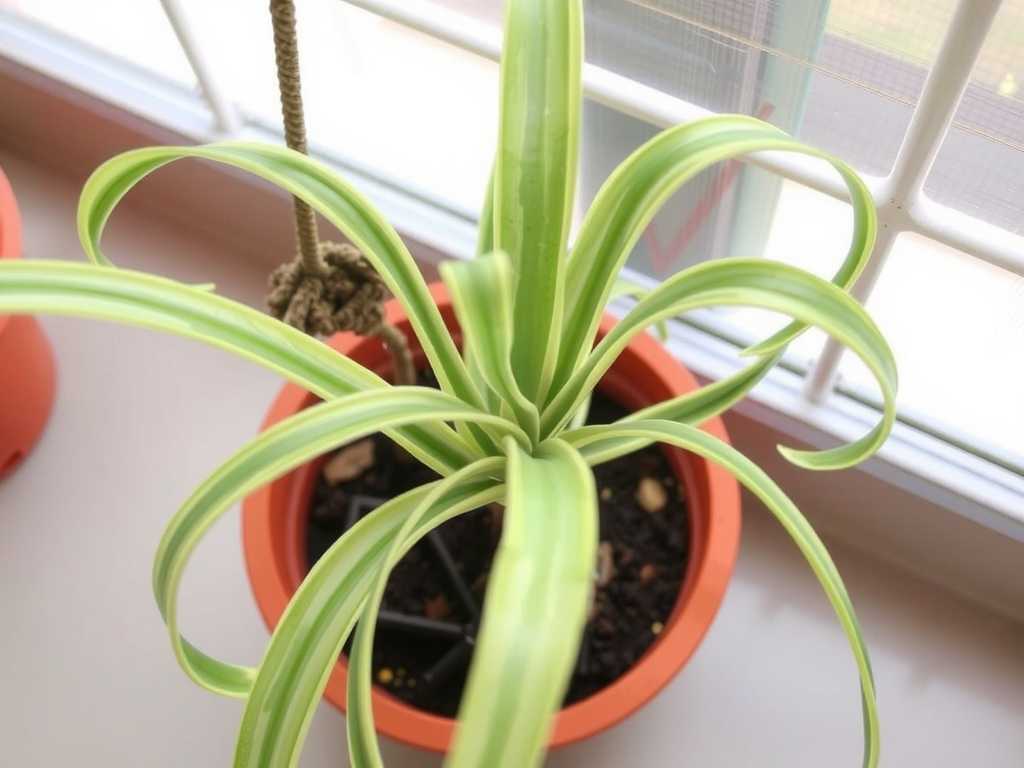
- Watering: Keep the soil consistently moist but never soggy for the first 4-6 weeks. The goal is to encourage root growth without causing rot.
- Light & Temperature: Provide bright, indirect light and protect divisions from temperature extremes, especially drafts or direct hot sun.
- Hold the Fertilizer: Do not fertilize for at least 6-8 weeks. Allow the plant to recover and new roots to form before introducing nutrients.
Can I divide a spider plant in summer? It is not recommended. The combined stress of division and potential heat/water stress can severely shock the plant. Summer is a time for growth, not major root disturbance. If necessary, do it in early summer and provide meticulous shade and moisture.
How do I know if my spider plant is ready to be divided? Look for these signs: the plant is visibly overcrowded, roots are growing out of the drainage holes, the soil dries out extremely quickly, or the plant has produced an abundance of mature plantlets. These indicate it is pot-bound and will benefit from division.
My autumn-divided plant’s leaves are browning at the tips. Is it dying? Not necessarily. Slight browning is a common stress response after division. Ensure you are not overwatering (the top soil should dry slightly between waterings) and that humidity is adequate. As long as the center of the plant remains green and firm, it is likely establishing roots. Focus on consistent care and evaluate its progress in spring.
Choosing the right season for spider plant propagation through division is the most impactful decision you can make for a seamless experience. By prioritizing early to mid-spring division, you align with the plant’s powerful natural growth cycle, setting your new plants on the fastest path to becoming full, independent specimens. While autumn has its niche applications for the experienced gardener in mild climates, spring offers a broader, more forgiving window of opportunity. By understanding the priorities behind each season and following the careful steps for division and aftercare, you can confidently expand your collection of these adaptable, air-purifying plants, ensuring every division thrives from the very start.