bluename
 spider plant Hydroponic Propagation: Pruning Frequency and Method for Overlong Roots
You’ve mastered the basics of spider plant hydroponic propagation. Your cuttings are thriving in water, developing a beautiful network of white, healthy roots. But then, you notice something. The roots are taking over the vase, becoming a dense, tangled mass that seems to grow longer by the day. This common scenario leads to pressing questions: Should I cut these overlong roots? How often should I prune them, and what’s the correct method to avoid harming my plant?
Navigating the care of overlong roots is a critical, yet often overlooked, aspect of hydroponic spider plant care. Left unmanaged, these roots can become inefficient, prone to rot, and can actually stunt your plant’s growth. This guide will provide a clear, step-by-step framework for spider plant hydroponic propagation, specifically focusing on the pruning frequency and method for overlong roots. By the end, you’ll know exactly how to maintain a robust and healthy root system for a thriving, vibrant spider plant.
Understanding the Role of Roots in Hydroponic Systems
In soil, roots anchor the plant and search for water and nutrients. In a hydroponic setup like a simple water vase, their function shifts. The primary roles become water/nutrient absorption and gas exchange. Roots need oxygen from the air or dissolved in the water to stay healthy and perform their duties effectively.
When roots become excessively long and overcrowded, several problems arise. The dense mat can restrict water flow and oxygen circulation within the container, creating stagnant zones. Older sections of very long roots can become less efficient at uptake. Furthermore, as noted in hydroponic horticulture studies, an over-concentrated root mass increases the risk of pathogenic infections, which can quickly lead to root rot in a closed water environment. Therefore, strategic pruning isn’t just cosmetic; it’s a vital practice for sustaining plant health and vigor.
Signs Your Spider Plant Roots Need Pruning
How do you know when it’s time for a trim? Don’t wait for obvious distress. Look for these clear indicators:
- Overcrowding and Tangling: The roots have filled the container, forming a tight ball with little room for water to circulate.
- Excessive Length: The roots are disproportionately long, sometimes coiling multiple times at the bottom of the vase or growing out of the water’s surface.
- Discoloration: While spider plant roots are typically white or cream-colored, sections may turn brown, slimy, or translucent. This often starts in the oldest, most crowded parts.
- Slowed Growth: The plant itself (the leaves and new pups) shows stalled growth, even with regular nutrient supplementation.
- Unpleasant Odor: A foul smell emanating from the water is a late-stage sign of decay within the root mass.
If you observe one or more of these signs, it’s time to plan a root pruning session for hydroponic spider plants.
The Essential Tools for Safe Root Pruning
Gathering the right tools beforehand ensures a clean, quick, and safe procedure for your plant. You will need:
- Sharp, Sterilized Scissors or Pruners: This is non-negotiable. Blunt tools crush and tear root tissue, creating large wounds that are slow to heal and vulnerable to disease. Sterilize blades with rubbing alcohol or a flame to prevent introducing pathogens.
- Clean Container with Fresh Water: Prepare a vessel with your prepared water (ideally filtered or left to stand for 24 hours to dissipate chlorine) to receive the plant after pruning.
- Optional: Root Health Supplement: Having a diluted hydroponic nutrient solution or a single drop of hydrogen peroxide (3%) in the fresh water can support recovery post-prune.
Step-by-Step Guide to Pruning Overlong Spider Plant Roots
Follow this methodical approach to ensure success. The core of this process is the correct method for trimming spider plant water roots.
Step 1: Remove the Plant Gently Carefully lift the spider plant out of its current container. Gently run cool water over the root mass to rinse away any accumulated debris or algal film. This gives you a clear view of the root system’s structure.
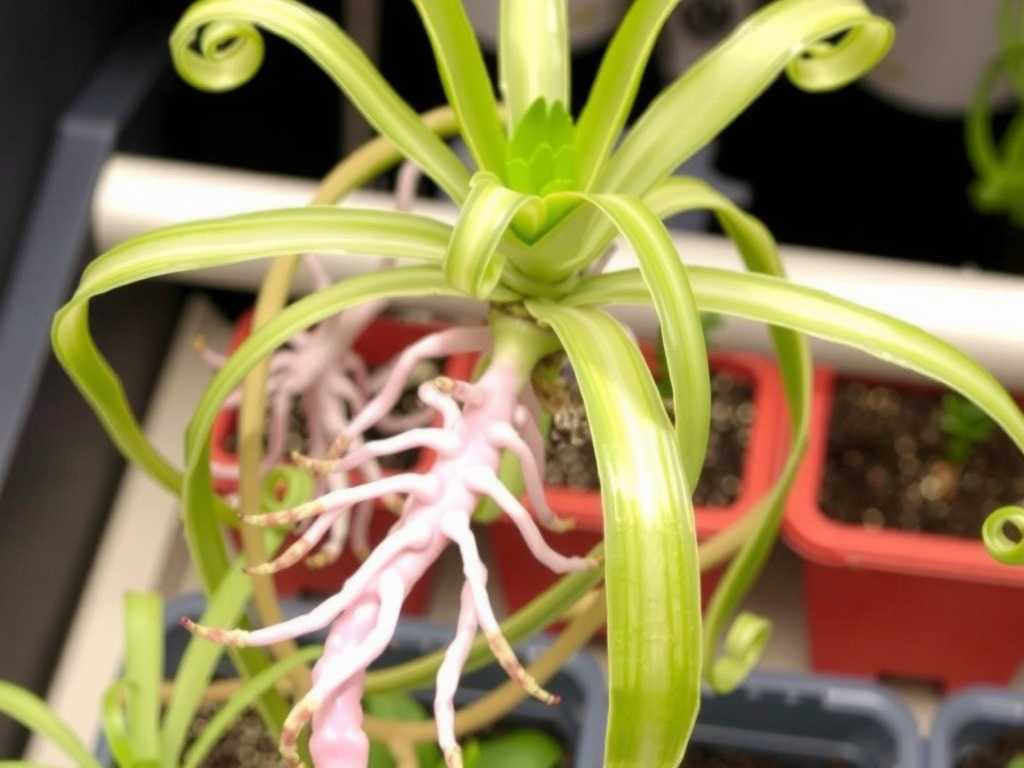
Step 2: Inspect and Assess Lay the plant on a clean surface. Examine the roots closely. Identify the healthy, firm white roots versus any that are brown, mushy, or slimy. Your goal is to remove the unhealthy material and manage the excessive length of the healthy roots.
Step 3: The Pruning Process First, use your sterilized scissors to snip off all clearly dead or rotten roots at their point of origin. Discard them. Next, address the overlong healthy roots. There’s no single perfect length, but a good rule is to prune them back by one-third to one-half of their total length. Make clean, angled cuts. Focus on removing the oldest, most thread-like sections from the tips, as the younger, thicker roots closer to the base are often more active. Avoid cutting too close to the base of the plant (the crown). Leave a healthy network of primary roots intact.
Step 4: Refresh and Rehome Clean the propagation vase thoroughly with soap and water. Rinse well. Fill it with fresh, prepared water. Place your freshly pruned spider plant back into the vase, ensuring the remaining roots are fully submerged but the plant’s crown (where the leaves meet the roots) is above water.
Step 5: Post-Pruning Care Place the plant in bright, indirect light. Avoid direct sun, which can stress it during recovery. Change the water every 5-7 days to keep it fresh and oxygenated. You should see new, bright white root tips emerging from the cut ends within 1-2 weeks, a sign of successful recovery.
Determining the Optimal Pruning Frequency
Frequency is not set to a rigid calendar schedule. It depends entirely on the growth rate of your plant and its environment. However, a general guideline for maintaining hydroponic spider plant roots is to conduct a major inspection and potential pruning every 3-6 months.
Fast-growing plants in warm, bright conditions may need attention closer to the 3-month mark. Slower-growing plants or those in lower light may be fine for 6 months or more. The best approach is to let the “Signs” listed earlier be your guide. Regular monthly check-ins where you briefly lift the plant to view root density are more valuable than a fixed schedule.
Expert Tips for Ongoing Root Health
Beyond periodic pruning, these practices will minimize problems and promote a strong root system:
- Water Quality is Key: Always use room-temperature water. Chlorine and fluoride in tap water can cause brown root tips. Letting water sit overnight allows chlorine to evaporate.
- Light Matters: Adequate bright, indirect light drives photosynthesis, which fuels healthy root growth. A weak plant will have a weak root system.
- Nutrient Balance: For long-term hydroponic growth, occasional, very dilute feeding with a balanced liquid fertilizer (at 1/4 strength) can support health. However, over-fertilizing is a major cause of root burn.
- Container Choice: Use a vase that allows some room for growth but isn’t excessively large. Clear glass lets you monitor root health easily.
How often should I prune the roots of my water-propagated spider plant? There’s no fixed weekly or monthly rule. A full inspection and potential pruning are typically needed every 3 to 6 months. The clearest indicators are physical signs: when the roots become a crowded, tangled mass filling the container, or when you notice discolored or slimy sections during your regular water changes.
Can cutting the roots kill my spider plant? Not if done correctly. Spider plants are remarkably resilient. Pruning with sterilized tools to remove dead or excessively long roots actually stimulates new, healthier root growth and rejuvenates the plant. The risk comes from using dirty tools (causing infection) or removing an excessively large percentage of the root system all at once.
My spider plant’s roots are long but still white. Should I still trim them? Yes, length alone can be a reason for a trim. Overly long roots in a confined space are more prone to tangling and decay in their older sections. Pruning them back by one-third encourages branching and creates a denser, more efficient root system closer to the plant’s base, which is better for long-term health and stability.
Successfully growing spider plants in water is a rewarding practice that extends beyond simply placing a cutting in a jar. Proactive root management is the secret to transitioning from a surviving plant to a flourishing one. By learning to recognize when roots need attention, employing the proper pruning technique with clean tools, and maintaining a fresh water environment, you directly address the core challenge of overlong roots. This practice ensures your hydroponic spider plant continues to produce lush foliage and plentiful pups, bringing vibrant greenery to your space for years to come.