bluename
 spider plant Runner Propagation: Best Timing for Separating Offshoots from Mother Plant
You’ve nurtured your spider plant, and now it’s rewarding you with a cascade of elegant runners and baby plantlets. It’s an exciting sight! But that excitement can quickly turn to uncertainty. When is the right moment to snip those precious offshoots? Cut too soon, and the fragile babies might struggle to survive on their own. Wait too long, and they could drain the mother plant or become a tangled mess. Finding the perfect timing for spider plant runner propagation is the key to turning those aerial adventures into thriving, independent plants. This guide will walk you through the clear signs of readiness and the simple steps to ensure success, transforming propagation anxiety into gardening confidence.
Understanding the Spider Plant’s Lifecycle
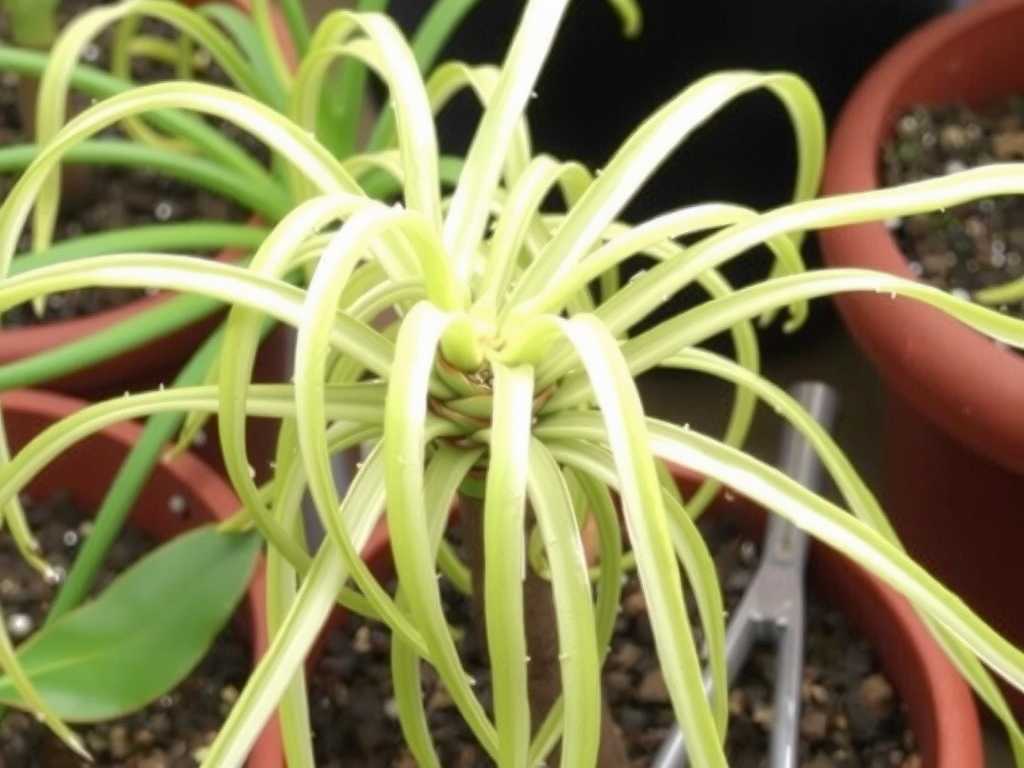
To master propagation timing, it helps to understand why spider plants (Chlorophytum comosum) produce these runners, or “stolons,” in the first place. In their natural habitat, this is a primary survival and colonization strategy. The mother plant sends out long stems, and where the tiny plantlets form, they would naturally touch the soil, take root, and establish a new colony. In our homes, they dangle in mid-air, waiting for our intervention. This cycle is heavily influenced by the plant’s maturity and environmental conditions. A happy, mature spider plant that is slightly pot-bound and receives bright, indirect light is most likely to produce an abundance of runners, setting the stage for your propagation project.
The Golden Rule: Signs Your Spider Plant Offshoot is Ready for Separation
Timing is everything. Look for these three unmistakable signs that indicate a plantlet is mature enough for a successful transition from runner to potted plant.
Developed Aerial Roots This is the most critical indicator. Don’t just look for leaves. Gently examine the base of the baby plantlet, where it connects to the runner. You are looking for small, nub-like protrusions. These are the beginnings of aerial roots. According to horticulturist Dr. Jane Greenfield, “A spider plantlet with root initials of at least 1/2 inch in length has switched its hormonal signals from ‘growing leaves’ to ‘seeking soil.’ This is the plant’s own way of telling you it’s ready for independence.” A plantlet with no visible root nodes is like a newborn—it still relies entirely on the mother’s vascular system.
Size and Foliage Maturity A viable offshoot should have several leaves of its own, typically at least 2-3 inches in length, and resemble a miniature, complete version of the mother plant. It should look robust, not spindly or pale. A tiny plantlet with just one or two small leaves hasn’t yet built up enough energy reserves to sustain root development after separation. Waiting for it to develop a small cluster of leaves ensures it can photosynthesize effectively on its own.
The Runner’s Condition and Seasonal Timing While you can propagate year-round, the best time to separate spider plant babies aligns with the plant’s natural growth spurt: spring and early summer. During this period of active growth, both the mother plant and the offshoots recover and root more quickly. Additionally, assess the runner itself. If it’s still green and healthy, there’s no rush. If the runner is starting to yellow or dry out, the plantlet is likely mature, and it’s a good time to propagate before the connection deteriorates.
Step-by-Step: How to Correctly Separate and Pot Your Spider Plant Offshoots
Once your plantlet shows the right signs, the process is straightforward. Here’s how to ensure a smooth separation.
Gathering Your Tools You’ll need a pair of clean, sharp scissors or pruning shears. Cleanliness is crucial to prevent transmitting disease; wipe blades with rubbing alcohol. Prepare your planting medium—a well-draining potting mix is ideal. Have small pots (3-4 inches) with drainage holes ready, and a glass of water if you choose the water propagation method.
The Separation Process There are two primary methods for separating offshoots from mother plant:
- Direct Separation & Potting: This is the most common and efficient method for plantlets with visible aerial roots. Simply snip the runner, leaving about 1-2 inches of stem attached to the plantlet. Do not cut the runner directly against the plantlet’s base. Plant the baby spider plant directly into moist potting mix, ensuring the base and any root nubs are buried lightly. Firm the soil gently.
- Water Propagation First: For plantlets with minimal or no visible roots, or if you simply enjoy watching roots grow, this is an excellent option. Snip the plantlet as described above and place its base in a glass of water, ensuring only the stem and base are submerged—not the leaves. Change the water every few days. Once a healthy network of water roots reaches about an inch or two in length (usually in 1-2 weeks), transfer it to soil.
Post-Propagation Care for Success Your job isn’t over after potting! Place your newly potted spider plants in a location with bright, indirect light. Avoid direct sun, which can scorch them. Keep the soil consistently moist (but not soggy) for the first few weeks as the roots establish themselves in the soil. You can gently tug on the plant after a few weeks; resistance means roots have taken hold. After a month, you can begin a regular, diluted feeding schedule.
Common Pitfalls to Avoid During Propagation
Even with perfect timing, a few missteps can hinder success. Avoid these common errors:
- Separating Too Early: The number one cause of failure. An underdeveloped plantlet lacks the root system to uptake water and will simply wilt.
- Using Oversized Pots: A small plant in a large pot holds too much wet soil, leading to root rot. Always start with a pot just slightly larger than the root ball.
- Overwatering After Potting: While the soil should be moist, it must not be waterlogged. Ensure pots have drainage holes and empty the saucer after watering.
- Neglecting the Mother Plant: After a prolific round of propagation, give the mother plant a light feed with a balanced fertilizer to help it recover its energy.
Can I separate a spider plant baby without any roots at all? While possible, it’s riskier and requires more care. It’s strongly recommended to use the water propagation method for rootless plantlets. This allows you to develop a root system in water before the challenging transition to soil, significantly increasing your success rate.
What should I do if my separated spider plant baby looks wilted after potting? Some initial wilting is normal due to transplant shock. Ensure it’s in bright, indirect light and keep the soil evenly moist. You can create a mini-humidity dome by placing a clear plastic bag loosely over the pot for a few days. If wilting persists beyond a week, check for root rot from overwatering or consider that the plantlet may have been separated too early.
How many babies can I safely remove from the mother plant at one time? A healthy, mature spider plant can handle multiple separations. However, as a general rule, avoid removing more than one-third of the total offshoots at once. This prevents excessive stress on the mother plant, allowing it to continue growing and producing more runners for future propagation.
Mastering the art of spider plant propagation ultimately comes down to patient observation. By waiting for those key signs—developed aerial roots, robust foliage, and the right season—you work with the plant’s natural instincts, not against them. This simple, mindful approach transforms the process from a guessing game into a guaranteed gardening success, allowing you to effortlessly expand your indoor jungle or share the gift of these resilient, graceful plants with friends and family.