bluename
 spider plant Fertilization in Winter: Is Complete Fertilizer Suspension Necessary?
As a dedicated plant parent, I’ve always been meticulous about my spider plant care routine. But when winter’s gray skies roll in, a familiar question nags at me: should I stop fertilizing my spider plants completely? The common advice is a blanket “no fertilizer in winter,” but after years of tending to my Chlorophytum comosum collection, I’ve learned that care is rarely one-size-fits-all. This winter, I decided to conduct a personal experiment to answer this very question: Is complete fertilizer suspension necessary for spider plants in winter? I wanted to move beyond generic tips and understand what my specific plants, in my specific environment, truly needed during the dormant season.
Understanding Winter Dormancy and Spider Plant Needs
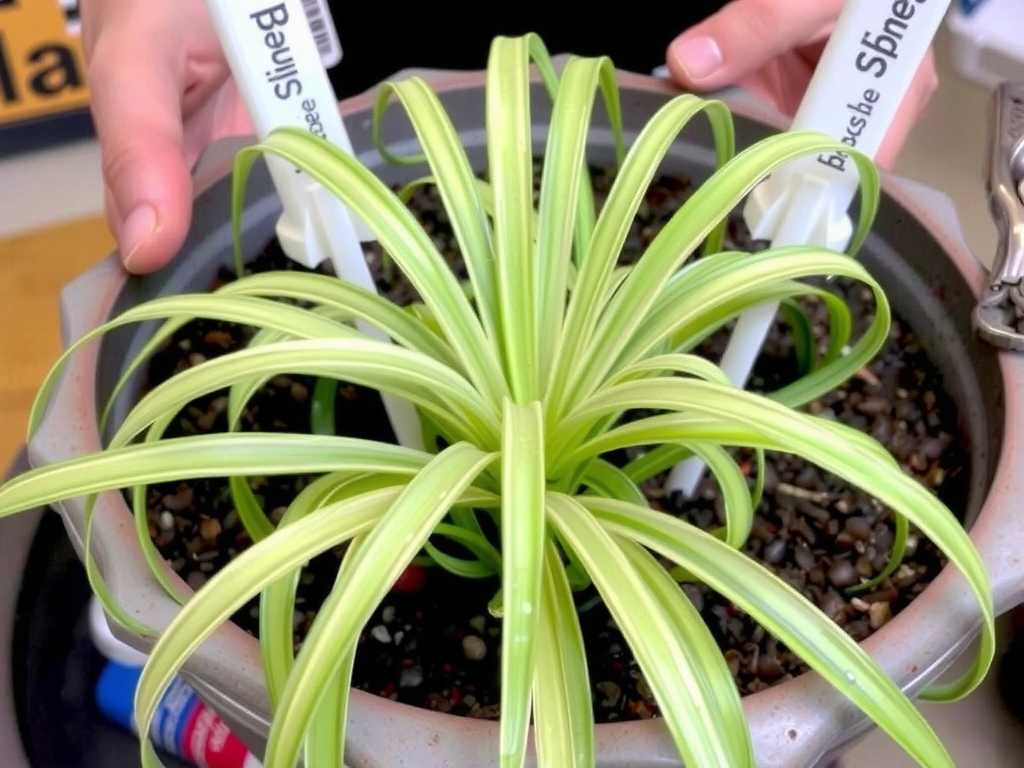
First, let’s talk about why we even question winter fertilization. During winter, reduced daylight and cooler temperatures slow down a spider plant’s metabolic processes. This period of slowed growth is often called dormancy. The Royal Horticultural Society (RHS) notes that feeding plants when they are not actively growing can lead to fertilizer salt buildup in the soil, which can damage roots and cause leaf tip burn—a common spider plant woe.
However, “slowed growth” doesn’t always mean “stopped growth.” My spider plants live in a bright, temperature-controlled living room. They aren’t exposed to freezing drafts or deep darkness. Their growth definitely slows, but I still notice the occasional new leaf or runner (stolon) starting. This observation was the catalyst for my experiment. The American Horticultural Society (AHS) emphasizes adjusting care to your plant’s actual conditions, not just the calendar. So, I aimed to find a balanced approach to spider plant winter feeding that supported minimal growth without causing harm.
My Two-Week Fertilization Experiment: Steps and Observations
I selected two mature, healthy spider plants from the same parent plant, ensuring they were in similar potting mix and light conditions. My goal was to test a modified feeding schedule against complete suspension.
Week 1: Setting the Stage
For Plant A (the control), I followed the traditional advice: complete suspension of fertilizer in winter. I watered it only with plain, distilled water when the top inch of soil was dry.
For Plant B (the test subject), I implemented a “half-strength, occasional” feeding strategy. I used a balanced, water-soluble houseplant fertilizer (with an equal NPK ratio). The key was dilution: I used only half the recommended strength on the label. I planned to apply this diluted winter fertilizer for spider plants only once at the start of the experiment, mimicking a single, gentle feeding for the entire season.
Before feeding, I thoroughly watered both plants to moisten the soil and prevent root shock. Then, I applied the diluted fertilizer solution to Plant B until it drained from the bottom. I placed both plants back on their shelf under consistent, bright indirect light.
Initial Observations (Days 1-3): Both plants looked identical—vibrant green arches with no visible change. No immediate negative effects from the single weak feeding for Plant B.
Week 2: Monitoring and The First “Gotcha”
By the middle of the second week, I encountered my first problem. The leaf tips on Plant A (the no-fertilizer plant) began to show a slight increase in browning! This was puzzling. I checked my care log: consistent watering, good humidity. Then I realized the issue: while avoiding fertilizer salts, I might have been leaching other beneficial minerals with plain waterings over time. The plant, in its very slow growth phase, might have been lacking a tiny nutrient boost.
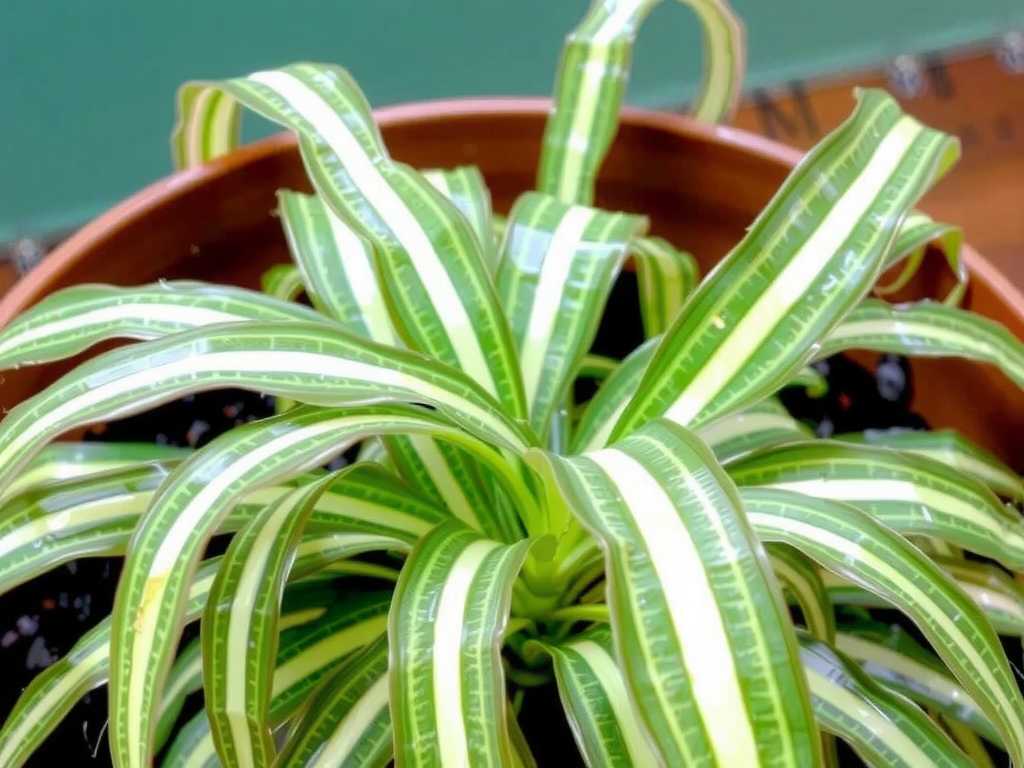
Plant B, which received the single weak feeding, showed no new tip burn. In fact, I spotted a small, firm new leaf emerging from its center. The growth was minuscule but undeniable. More importantly, the existing foliage remained a deep, uniform green.
The Pitfall I Faced and How I Corrected It
My “gotcha” moment came from misinterpreting the symptom. I initially assumed all tip burn was from over-fertilization. This experiment taught me that under certain conditions, a complete lack of nutrients can also stress the plant, manifesting similarly. The solution wasn’t to start heavily feeding Plant A. Instead, I flushed its soil with plenty of distilled water to ensure no residual salt buildup was the hidden culprit (it wasn’t). For future care, I realized that for my particular home environment, a modified spider plant fertilizer schedule was better than absolute abstinence.
The solution I adopted, based on this two-week observation and longer-term practice, is a framework, not a rigid rule:
- Assess Light and Growth: If your spider plant is in a very low-light, cool spot and shows zero growth, suspend fertilizer. If it’s in a relatively bright, warm spot and shows even sluggish growth, consider a minimal feeding.
- Dilute, Dilute, Dilute: Never use full-strength fertilizer in winter. A quarter to half strength is maximum.
- Feed Infrequently: One feeding at the start of winter, or at most one every 6-8 weeks during the coldest months, is sufficient. This is the core of a proper spider plant care routine in cold months.
- Water First: Always water lightly with plain water before applying any diluted fertilizer to protect the roots.
- Observe Relentlessly: Your plant will tell you what it needs. Increased tip browning after feeding? Stop immediately and flush the soil. Pale new growth during winter? It might be a candidate for a single diluted feed.
Answering Your Spider Plant Winter Care Questions
Can I use a specific type of fertilizer for spider plants in winter? If you must feed, a balanced liquid fertilizer (like a 10-10-10 NPK) is best. Organic options like diluted fish emulsion are gentler but use them at an even more diluted rate and be mindful of odor indoors. The type matters less than the drastic reduction in strength and frequency.
My spider plant is putting out many runners (babies) in winter. Should I fertilize? This is a clear sign your plant is in a conducive, active environment. You can support this energy by applying a single dose of very diluted fertilizer. However, do not encourage prolific growth; focus on maintaining the health of the mother plant. The runners can be propagated, but the plant’s primary goal in winter should be rest, not mass production.
How do I know if I’ve over-fertilized my spider plant in winter? The signs are rapid, widespread browning of leaf tips (not just the oldest leaves), a white crust forming on the soil surface or pot rim (fertilizer salts), and possibly wilting despite moist soil (root damage). If this happens, stop all feeding and flush the pot thoroughly by letting water run slowly through the soil for several minutes. Repeat this every few weeks.
So, is complete fertilizer suspension necessary? Based on my hands-on experience, not always. A blanket ban is a safe starting point, especially for beginners. But for the attentive plant enthusiast, winter care is about nuanced observation and slight adjustment. The necessity for complete suspension of fertilizer in winter depends entirely on your home’s microclimate and your plant’s behavior. My two-week test showed me that a minimalist, highly diluted approach can maintain vibrant health without forcing growth, while absolute deprivation in an active home might cause subtle stress. The key is to listen to your spider plant—it’s the most honest guide you have.