bluename
 spider plant Propagation Ventration Needs: Air Permeability Tips to Avoid Root Rot
You’ve carefully placed your spider plant pup in water or soil, expecting a thriving new plant, only to find the roots turning mushy and brown. This common frustration of root rot often stems from a frequently overlooked factor: inadequate ventilation. Proper spider plant propagation ventilation is not just a minor detail; it’s the cornerstone of success. Without sufficient air circulation around the roots and soil, excess moisture becomes a death sentence for your developing plantlets. This guide will delve into the critical role of air permeability, providing actionable air permeability tips to avoid root rot and ensure your spider plant babies grow into robust, healthy plants.
Why Ventilation is Non-Negotiable in Spider Plant Propagation
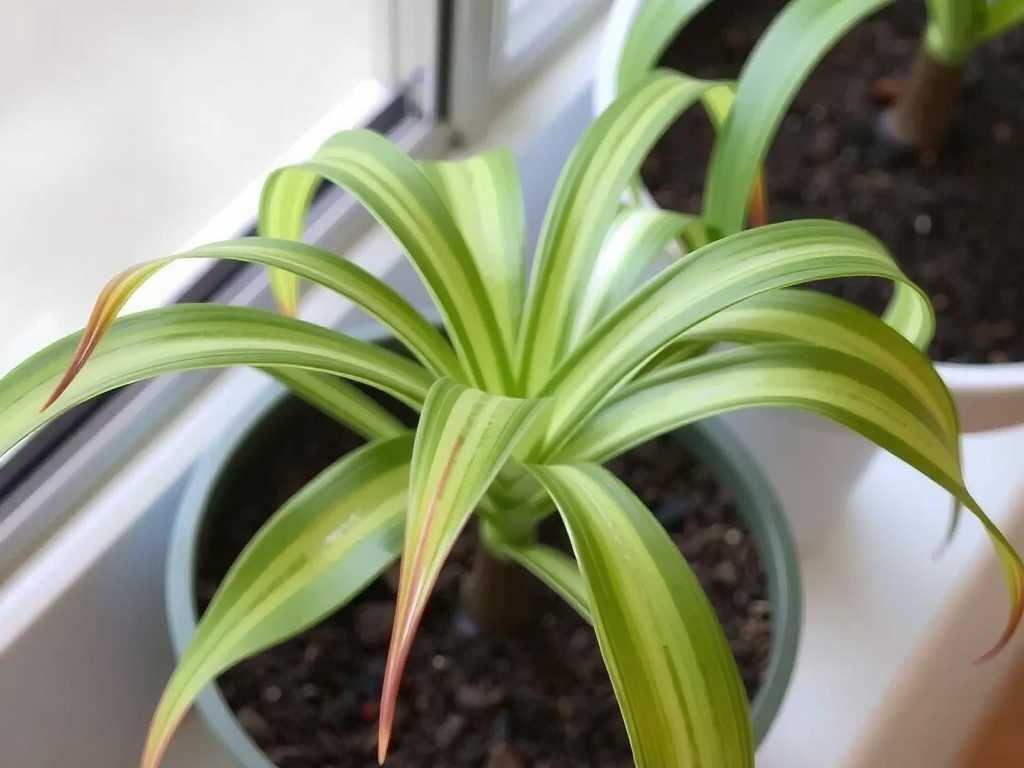
At its core, root rot is a disease caused by oxygen-starved roots. When propagating, whether in water or soil, the environment around the roots is crucial.
The Science of Root Respiration and Fungal Growth Plant roots need to breathe. They perform respiration, a process that requires oxygen to convert sugars into energy for growth. In a stagnant, waterlogged environment, this oxygen is rapidly depleted. Anaerobic conditions set in, suffocating the roots and breaking down their cell walls. This creates the perfect breeding ground for opportunistic fungi and bacteria, like Pythium and Phytophthora, which accelerate the decay process. Good ventilation introduces fresh oxygen, displacing the stagnant, moisture-laden air and keeping the root zone healthy.
Water Propagation vs. Soil Propagation: The Ventilation Balance
- In Water: While it seems counterintuitive, water-propagated spider plants still need gas exchange. Stagnant water loses its dissolved oxygen quickly. A narrow-necked vase that traps humidity around the leaves and offers little surface area for air exchange is a common culprit for rot.
- In Soil: This is where ventilation is most critical. A dense, compact potting mix retains water like a sponge. Without air movement to help evaporate excess moisture, the soil remains wet for too long, creating the anaerobic conditions that lead to rot.
Essential Air Permeability Tips to Avoid Root Rot
Implementing these practical strategies will dramatically increase your propagation success rate by ensuring your spider plant cuttings have the breathable environment they need.
Choosing the Right Propagation Medium for Maximum Airflow Your choice of medium is the first and most critical defense against root rot.
- For Soil Propagation: Avoid using garden soil or dense, generic potting mixes. Instead, create a loose, well-aerated blend. A classic recipe is:
- 2 parts Peat-free potting compost
- 1 part Perlite
- 1 part Horticultural sand Perlite is exceptional for creating air pockets, while sand improves drainage, preventing water from pooling around the roots.
- For Water Propagation: While you can't change the water itself, you can ensure the container allows for air exchange. Use a vessel with a wide opening, as this increases the surface area of the water exposed to the air, facilitating oxygen dissolution.
Selecting Containers That Promote Breathability The pot you choose is as important as the medium inside it.
- Material Matters: Porous materials like terracotta and unglazed clay are ideal for soil propagation. They wick moisture away from the soil and allow it to evaporate through the walls of the pot itself, naturally cooling and aerating the root zone.
- Drainage is Key: Whatever container you use, it must have at least one drainage hole at the bottom. This allows excess water to escape freely, preventing the soil from becoming waterlogged. For water propagation, clear glass is beneficial as it allows you to monitor root health and water clarity easily.
Optimizing Environmental Air Circulation Creating the right macro-environment supports your efforts at the pot level.
- Strategic Placement: Don't place your propagations in a dead-air corner. Position them in a room with natural, gentle air movement, but away from direct, harsh drafts from air conditioners or heaters, which can desiccate the plant.
- Using a Fan: In particularly humid or stagnant rooms, running a ceiling fan on low or a small oscillating fan some distance away can significantly improve overall air circulation. This helps to dissipate humidity that can settle on soil surfaces and leaf axils.
The Role of Proper Watering Techniques in Conjunction with Ventilation Even with perfect ventilation, overwatering will cause problems. Watering should be a response to the plant's needs, not a scheduled event.
- The Finger Test: Before watering your soil-propagated spider plant, insert your finger about an inch into the soil. If it feels moist, hold off on watering.
- Water Thoroughly but Infrequently: When you do water, do so thoroughly until it runs out of the drainage hole. Then, allow the soil to dry out significantly before the next watering. This wet-dry cycle pulls fresh air into the root zone as the soil dries.
Advanced Tips for Ensuring Healthy Root Development
For the dedicated plant enthusiast, these extra steps can further optimize the propagation process.
Monitoring and Adjusting Humidity Levels Spider plants are adaptable, but high humidity can slow soil drying. A simple hygrometer can help you monitor your room's humidity. If it's consistently above 60%, paying extra attention to soil moisture and air circulation becomes even more critical.
When and How to Introduce Fertilizer Hold off on fertilizing until your propagation has established a robust root system. Fertilizing a plant with underdeveloped or damaged roots can cause chemical burn and stress, making it more susceptible to rot. Wait until you see significant new leaf growth, a sign that the roots are active and healthy.
Troubleshooting: Signs Your Propagation Needs More Air Be vigilant. Early signs of insufficient ventilation include:
- Soil that remains wet for more than 5-7 days.
- A musty or sour smell coming from the soil.
- The appearance of mold or mildew on the soil surface.
- Slow or stalled root and shoot growth.
Frequently Asked Questions
Can I propagate a spider plant in a closed terrarium? It is highly discouraged. Closed terrariums are designed to be humid, self-contained ecosystems with virtually no air flow. This environment is the exact opposite of what spider plant propagations need and will almost certainly lead to root and crown rot.
How often should I change the water for water propagation? You should refresh the water completely every 5-7 days. This prevents the buildup of bacteria and replenishes the oxygen dissolved in the water. If the water looks cloudy before that time, change it immediately.
My spider plant pup has root rot. Can it be saved? In many cases, yes. Remove the pup from the soil or water and gently rinse the roots. Using sterile scissors, cut away all soft, brown, or mushy roots until you are left only with firm, white or cream-colored healthy tissue. Let the cutting air dry for a few hours before repotting it in a fresh, well-draining mix or clean water, ensuring you apply all the ventilation principles discussed.