bluename
 spider plant Micropropagation: Mini Plant Cultivation Using Side Buds
Have you ever wished you could multiply your beloved spider plant into dozens of perfect, miniature replicas, bypassing the slow and sometimes unpredictable process of traditional propagation? Perhaps you've struggled with propagating spider plants in water or soil, only to encounter issues like rot, inconsistent growth, or the simple limitation of only getting a few plantlets per season. For horticulturalists, nursery owners, or dedicated plant enthusiasts looking to rapidly scale their collection or preserve a specific cultivar, conventional methods often fall short. This is where the revolutionary science of spider plant micropropagation comes in, offering a powerful solution for mini plant cultivation using side buds. This advanced technique allows for the mass production of genetically identical, disease-free spider plants in a controlled laboratory environment, turning a single side bud into an army of new plants.
Understanding the Science Behind Micropropagation
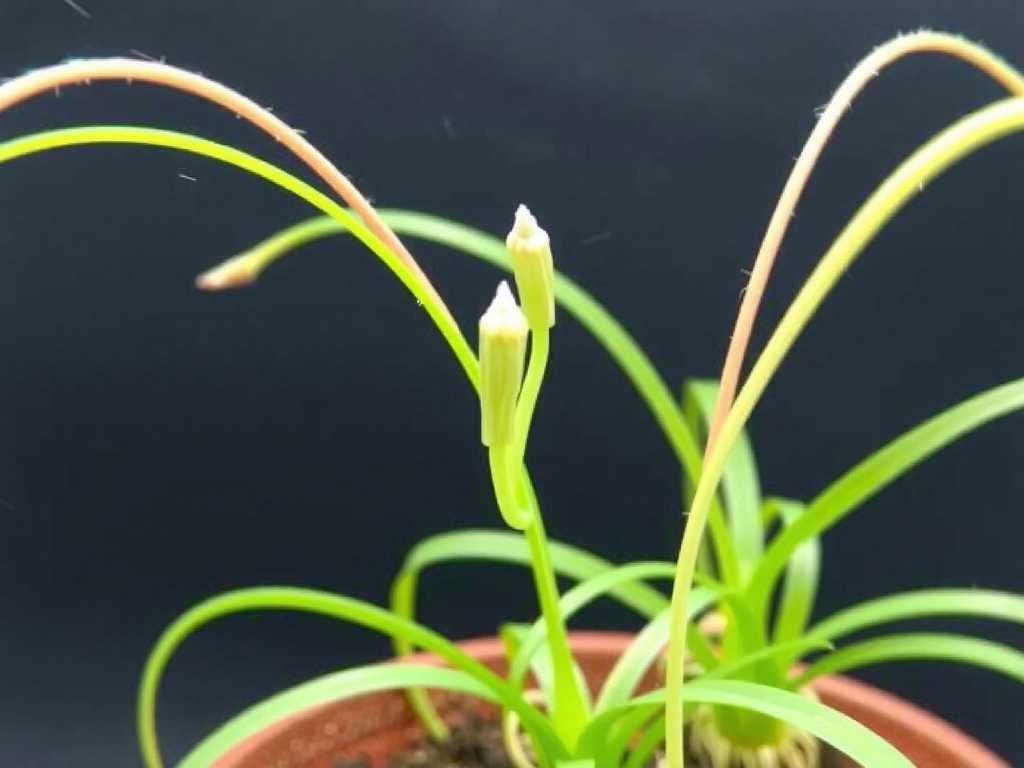
Micropropagation, often termed tissue culture, is a sophisticated method of plant propagation. It involves growing plants in a sterile, controlled environment on a nutrient-rich gel or medium. Unlike simply placing a spider plant baby in water, this process starts with a tiny piece of plant tissue, known as an explant. For spider plants, the most effective explants are often the side buds—the small, dormant growth points found at the base of the plant or on its stolons (the runners that produce plantlets). These buds are packed with cellular potential, containing meristematic cells that can regenerate into a full plant.
The core principle is totipotency—the inherent ability of a single plant cell to divide and differentiate into all the specialized tissues of an entire organism. By providing the perfect cocktail of nutrients, vitamins, and plant growth regulators, we can coax a single side bud to break dormancy and develop into multiple new plantlets. This method of mini plant cultivation using side buds is not just efficient; it's a gateway to preserving the exact genetic makeup of a prized spider plant variety.
Why Choose Micropropagation for Your Spider Plants?
The benefits of adopting this technique extend far beyond simply creating more plants quickly. It addresses several key pain points for serious propagators.
- Mass Multiplication and Genetic Uniformity: A single, healthy spider plant can yield hundreds, even thousands, of new plants within a year. Every plant produced is a genetic clone, ensuring that desirable traits like variegation patterns, leaf shape, and growth habit are perfectly preserved across all progeny. This is invaluable for commercial production where consistency is key.
- Production of Disease-Free Stock: The initial explant is carefully sterilized and cultured in an aseptic environment. This process effectively eliminates viruses, bacteria, and fungi that might be present in the stock plant. As noted in a review of plant biotechnology in Horticulturae journal, meristem culture is a widely accepted method for obtaining pathogen-free planting material, leading to stronger and more vigorous plants.
- Year-Round, Space-Efficient Cultivation: Micropropagation is not dependent on seasons. It can be performed consistently throughout the year in a compact laboratory setting, making it an ideal solution for maximizing output in a minimal footprint.
- Germplasm Conservation: Rare or unique spider plant cultivars can be preserved indefinitely in tissue culture banks, safeguarding them from being lost due to environmental stresses, pests, or disease.
A Step-by-Step Guide to Spider Plant Micropropagation
While a fully equipped lab is ideal, understanding the process demystifies the science and highlights why it's so effective for spider plant propagation from side shoots.
Stage 1: Selection and Sterilization of Explants The journey begins with selecting a vigorous, healthy mother plant. The side buds, typically 0.5 to 1 cm in size, are carefully excised. This is the most critical step, as any contamination will ruin the culture. The explants undergo a rigorous sterilization process, often involving a series of washes in distilled water, ethanol, and a sterilizing agent like sodium hypochlorite (a dilute bleach solution), to eliminate all surface microorganisms.
Stage 2: Establishment in Culture Medium Under sterile conditions, typically inside a laminar airflow hood, the sterilized side bud is placed onto a solidified culture medium. This medium is not simple agar; it's a precisely formulated mix containing macronutrients, micronutrients, sugars (as an energy source), vitamins, and plant growth regulators. For this initial stage, a cytokinin-rich medium is often used to encourage the bud to break dormancy and begin producing multiple shoots.
Stage 3: Multiplication and Proliferation Once the initial explant has developed into a small cluster of shoots, it's time for the multiplication phase. The cluster is subdivided, and individual shoots or small sections are transferred to fresh multiplication medium. This medium is designed to stimulate the development of axillary buds, leading to a rapid exponential increase in the number of shoots. This cycle of subculturing can be repeated every 4-8 weeks, creating a geometric progression in plantlet numbers. This phase is the heart of efficient spider plant cloning via buds, transforming one bud into a miniature forest.
Stage 4: Rooting and Acclimatization After sufficient multiplication, the individual shoots, which currently have no roots, are transferred to a rooting medium. This medium has a different hormonal balance, usually higher in auxins, which promotes the formation of a strong root system. Once the plantlets have developed healthy roots, they face their biggest challenge: transitioning to the outside world. They are carefully removed from the sterile jars, the gel medium is gently washed from their roots, and they are transplanted into a sterile, well-draining potting mix. These young plants are maintained in a high-humidity environment, like a propagator, and gradually acclimatized to normal greenhouse or indoor conditions over several weeks.
Essential Equipment and Setup for a Home Lab
For the adventurous hobbyist, a basic tissue culture setup is achievable. You will need a pressure cooker for sterilizing media and tools, a still air box or a small laminar flow hood to provide a sterile workspace, glass jars or culture vessels, a precision scale for weighing media components, and the chemicals to prepare the culture media. While it requires an initial investment and a meticulous attention to detail, the ability to practice mini plant cultivation using side buds at home is an incredibly rewarding endeavor.
Troubleshooting Common Micropropagation Challenges
Even in controlled environments, issues can arise. Contamination is the most common problem, manifesting as fuzzy or slimy growth in the medium. This underscores the need for impeccable sterile technique. Hyperhydricity (vitrification), where plants appear glassy and water-soaked due to poor gaseous exchange, can be addressed by adjusting the gelling agent concentration. Browning of the medium, caused by phenolic compounds leaching from the explant, can be mitigated by using antioxidants in the medium or doing an initial transfer to a fresh medium after 24-48 hours.
Frequently Asked Questions
What is the main advantage of using side buds over other plant parts for micropropagation? Side buds are naturally programmed for growth and contain active meristematic tissue. They are often more responsive to culture conditions than mature leaf segments and are more likely to maintain genetic stability compared to callus-based regeneration, ensuring the clones are true to the parent plant.
How long does the entire micropropagation process typically take for a spider plant? From the establishment of a single side bud to having a hardened-off plant ready for a standard pot, the entire process can take approximately 4 to 6 months. This includes the initial growth phase, 2-3 multiplication cycles, a rooting phase of 3-4 weeks, and a 3-4 week acclimatization period.
Can I perform spider plant micropropagation without a professional laboratory? Yes, a simplified version is possible with a DIY setup using a pressure cooker and a still air box. However, the success rate will be lower than in a professional lab due to the higher risk of contamination. It requires patience, practice, and a strict adherence to sterile protocols, but it is a fascinating project for a serious plant lover.
Spider plant micropropagation represents the intersection of horticultural art and biological science. By harnessing the potential of tiny side buds, this method provides an unprecedented level of control and efficiency in plant production. It empowers growers to preserve cherished genetics, rapidly expand their collections, and contribute to the conservation of unique plant varieties. While it demands precision and patience, the reward of watching a microscopic piece of tissue flourish into a robust, beautiful spider plant is a unique achievement that redefines what is possible in plant propagation.