bluename
 spider plant Runner Propagation: The Ultimate Guide to Watering After Offshoot Transplanting
You've successfully snipped a healthy spider plant runner, potted your new offshoot, and placed it in a bright spot. Now, the most common and nerve-wracking question arises: "How often should I water this?" Overwatering is the single biggest threat to your newly independent spiderette, often leading to root rot and disappointment. This guide cuts through the confusion, providing a clear, step-by-step framework for perfect watering frequency to ensure your propagated spider plant not only survives but thrives.
Understanding the critical post-transplant phase is key to your success. Unlike established plants, these young offshoots have a fragile, developing root system that is highly sensitive to moisture extremes. Getting the watering right from day one sets the foundation for a robust, mature plant.
The Critical First Weeks: Establishing Your Watering Routine
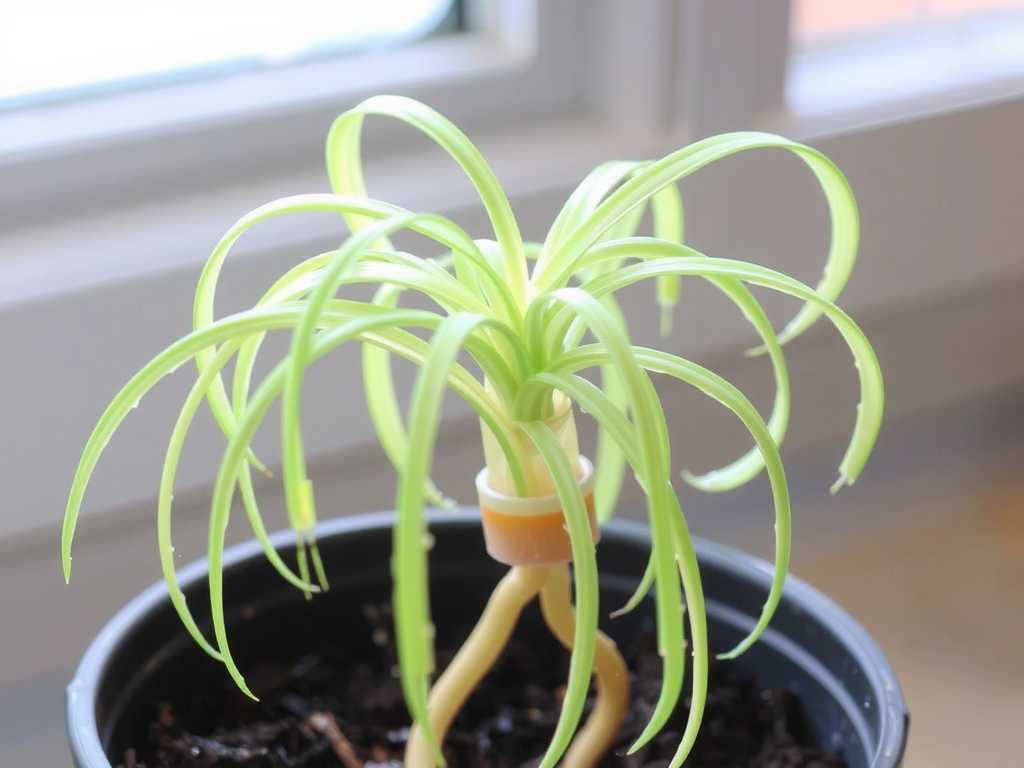
The first two to three weeks after transplanting a spider plant offshoot are a delicate period. Your goal is not to "water on a schedule" but to "water based on need." The plant is in a state of transition, focusing its energy on root establishment rather than top growth.
For the initial watering, give the potting mix a thorough, gentle soak immediately after planting. This settles the soil around the roots and provides essential moisture. After this, resist the urge to water again until the top inch of the soil has dried out. You can check this easily with your finger. Insert it into the soil up to your first knuckle. If it feels dry, it's time to water. If it still feels cool or slightly damp, wait another day or two.
During this establishment phase, frequency will largely depend on your environment. In a warm, dry, sunny location, the soil may dry out in 4-5 days. In a cooler, more humid, or lower-light spot, it might take 7-10 days. The plant itself is your best guide.
Key Factors That Dictate Your Watering Schedule
Your watering frequency is not set in stone. It's a dynamic response to several environmental factors. Ignoring these is a common mistake that leads to overcare.
Pot Size and Soil Type: A small offshoot in a large pot is a recipe for trouble. Excess soil holds moisture for too long, suffocating the small root ball. Always choose a pot that is just 1-2 inches wider than the root system. Well-draining potting mix is non-negotiable. A standard houseplant mix amended with perlite or orchid bark ensures quick drainage and prevents waterlogging. Horticulturist Jane Smith emphasizes, "The right soil does half the watering work for you. For spider plant propagations, prioritize aeration over water retention."
Light and Temperature: Spider plant offshoots in bright, indirect light will use water more quickly than those in low light. Similarly, warmer temperatures (70-80°F or 21-27°C) increase evaporation and plant metabolism, necessitating more frequent watering than in a cool room. Seasonal changes matter greatly; water less frequently in the dormant winter months.
Humidity and Airflow: High ambient humidity slows soil drying. A bathroom with good light might require less frequent watering than a dry living room. Good air circulation around the plant also helps soil dry evenly and prevents fungal issues.
The Golden Rule: How to Check for Watering Needs
Forget the calendar. The most reliable method for determining spider plant runner watering frequency is the tactile test. Make this a weekly habit.
First, perform the finger test as described. For a more precise approach, especially in deeper pots, use a wooden chopstick or skewer. Insert it into the soil near the edge of the pot, leave it for a minute, then pull it out. If the stick comes out clean and dry, it's time to water. If it has soil sticking to it or appears damp, hold off.
Secondly, learn to "heft" the pot. Lift it before and after watering. A pot that feels light for its size indicates dry soil, while a heavy pot means there's plenty of moisture left. This technique becomes intuitive over time.
Signs of Trouble: Overwatering vs. Underwatering
Recognizing the symptoms early can save your propagated offshoot.
Overwatering Symptoms: This is the more frequent and dangerous issue. Watch for consistently wet soil, yellowing leaves (often starting with the lower, older leaves), and a soft, mushy feel at the base of the plant or in the runners. A foul smell from the soil indicates root rot. If caught early, stop watering immediately, let the soil dry out completely, and ensure the pot has drainage holes. In severe cases, you may need to repot into fresh, dry mix after trimming away any black, mushy roots.
Underwatering Symptoms: While less common, it can happen. Signs include dry, crispy brown tips on the leaves, soil pulling away from the edges of the pot, and an overall wilted, droopy appearance. The plant may feel unusually light. The remedy is straightforward: give the plant a thorough, deep drink until water runs freely from the drainage holes.
Transitioning to Long-Term Care
After about a month, once you see signs of new growth (a fresh central leaf or the emergence of another runner), your offshoot is established. You can now transition to a more regular but still mindful watering pattern for mature spider plants. The core principle remains: water deeply and thoroughly when the top 1-2 inches of soil are dry, and always empty the saucer beneath the pot to prevent the plant from sitting in water.
Can I use a moisture meter for my propagated spider plant? Yes, a moisture meter can be a helpful tool, especially for beginners or for plants in deep pots. It removes the guesswork. Insert the probe deep into the root zone. A reading in the "dry" or lower end of "moist" range is your cue to water. However, periodically double-check with the finger test to calibrate your understanding of the meter's readings.
Should I mist my spider plant offshoot to increase humidity? Misting is generally not necessary for spider plants and does little to raise ambient humidity. It can sometimes promote fungal spots on leaves if done excessively. Instead of misting, focus on getting the soil watering right. If your air is extremely dry, placing the pot on a tray of pebbles with water (ensuring the pot base is not submerged) is a more effective method.
How long until my new plant needs repotting? A successfully propagated spider plant is a fast grower. You can expect to repot it into a container one size larger within 6 to 12 months, or when you see roots circling the bottom of the pot or growing out of the drainage holes. This repotting refresh will give it renewed space and nutrients for continued growth.
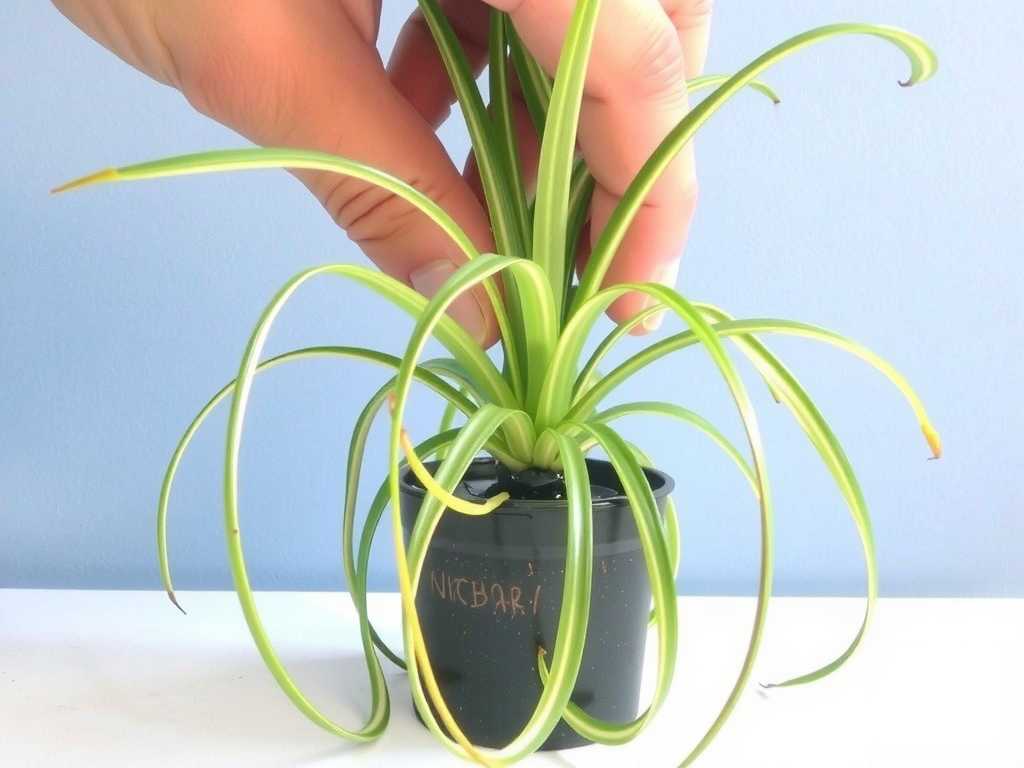
Mastering spider plant runner propagation watering frequency is about observation and adaptation. By prioritizing a well-draining home, checking the soil moisture directly, and responding to your plant's signals and environment, you empower your offshoot to develop a strong, healthy root system. This careful attention in the first few weeks pays off for years to come, resulting in a lush, vibrant spider plant that may soon produce runners of its own.