bluename
 spider plant Tissue Culture Seedling Care: Your Complete Guide to a Successful Home Transition
You’ve just received your delicate spider plant tissue culture seedlings. They represent the pinnacle of modern propagation—genetically identical, disease-free, and grown in a sterile lab environment. But now, the real challenge begins. The journey from a controlled laboratory flask to your living room is the most critical phase, and it’s where many hopeful plant parents stumble. These tiny plantlets aren’t ready for your home yet; they need a careful, methodical transition. Without it, they can suffer from transplant shock, fail to establish, or simply wither away, turning your exciting purchase into a disappointing experience. This guide is designed to walk you through every precise step, transforming those fragile lab-grown specimens into the lush, vibrant spider plants you envision.
Understanding Your Tissue Culture Seedling
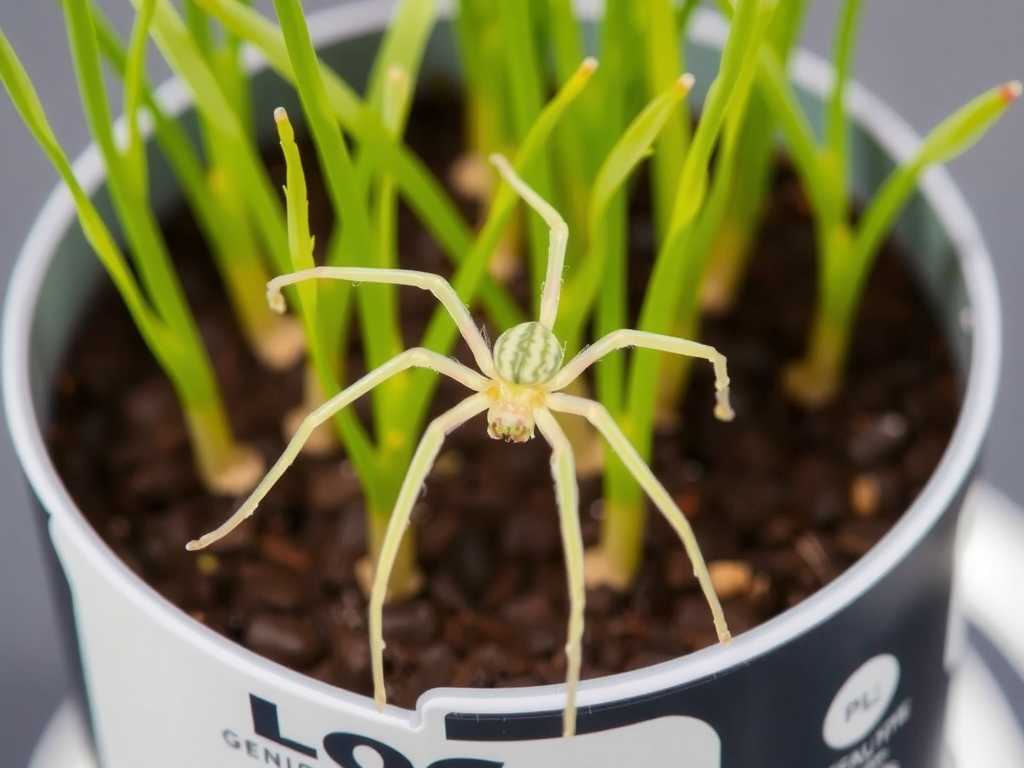
Before you take any action, it’s crucial to understand what you’re working with. Tissue culture, or micropropagation, is a process where plants are grown from tiny pieces of tissue on a sterile, nutrient-rich gel. Your seedlings have never experienced real soil, natural airflow, or the variable humidity of a home. They are acclimated to 100% humidity, constant temperature, and specific light spectra. Their root systems are often underdeveloped for soil and are used to absorbing nutrients directly from the gel. Recognizing this stark difference between their old world and their new one is the first step to providing empathetic and effective care.
Phase 1: The Acclimatization (Hardening Off) Process
This is the non-negotiable first step that bridges the lab and your home. Rushing this phase is the most common cause of failure.
Unpacking and Initial Assessment Gently remove the seedlings from their shipping packaging. Inspect them under good light. Healthy spider plant tissue culture seedlings should have bright green leaves and may have small, white root initials. Do not be alarmed if they seem small or rooted in a gel-like substance; this is normal. Have your next setup ready before you open the containers to minimize their exposure to dry air.
Creating a High-Humidity Environment Your immediate goal is to replicate near-lab humidity levels, then gradually reduce them. The best tool for this is a clear plastic propagation dome or even a clear plastic storage container. Place the seedlings in their small pots (we’ll discuss potting next) inside this chamber. Alternatively, a clear plastic bag sealed over the top of a pot works perfectly. This “mini-greenhouse” will trap moisture and create the 80-90% humidity they crave initially. According to horticultural research from institutions like the University of Florida IFAS Extension, maintaining high humidity during initial ex-vitro transfer is critical to prevent desiccation in plants with underdeveloped cuticles, like tissue culture plantlets.
The Gradual Adjustment Over the next 2 to 4 weeks, do not simply leave them sealed. The process is about gradual change. Start by opening the vent on your dome or loosening the bag seal slightly for an hour on the first day. Each day, increase the ventilation time. This slow introduction to lower humidity allows the plantlets to build stronger leaf surfaces and begin functioning in ambient air. Watch closely for signs of stress like wilting or browning leaf tips—if these appear, reduce ventilation time and proceed more slowly.
Phase 2: The First Potting – Setting the Stage for Growth
Once your seedlings have spent about a week in the high-humidity setup and show signs of new growth, they are ready for their first individual pots.
Choosing the Right Potting Mix Forget dense, moisture-retentive garden soil. Spider plant tissue culture seedlings need an exceptionally well-draining, airy, and slightly acidic to neutral medium. A premium succulent or cactus mix is an excellent base. For even better results, create your own blend: mix two parts of a standard potting mix with one part perlite and one part coarse horticultural sand or orchid bark. This ensures rapid drainage and prevents the delicate, new roots from sitting in water, which is a primary cause of rot.
Pot Selection and Planting Technique Select small pots, no larger than 2-3 inches in diameter. A small pot allows the medium to dry more evenly, encouraging root growth as they seek water. Ensure the pot has ample drainage holes. Gently rinse any remaining gel from the roots using room-temperature water. Make a small hole in the pre-moistened potting mix, place the seedling in, and softly firm the mix around it. The crown of the plant (where the leaves meet the roots) should be level with the soil surface, not buried.
Phase 3: Optimal Care in the Home Environment
With your seedlings potted and acclimating, your care routine will determine their long-term health.
Lighting Requirements for Young Plants Spider plants thrive in bright, indirect light. For your tender seedlings, direct sunlight is a definite enemy—it will quickly scorch the leaves. Place them near an east-facing window or several feet back from a south or west-facing window where they receive plenty of light but no harsh rays. As noted by professional growers, consistent, gentle light is far more beneficial than intense, direct exposure during this establishment period. If natural light is insufficient, a basic LED grow light placed 12-18 inches above the plants for 12-14 hours a day is a perfect supplement.
Watering and Fertilizing Protocols Watering is a delicate balance. The goal is to keep the growing medium lightly moist but never soggy. Allow the top half-inch of the mix to dry out slightly before watering again. Use room-temperature water and water gently at the soil level, avoiding the crown of the plant. Hold off on fertilizer for the first 4-6 weeks. The seedling is using energy to acclimate and root. After this period, begin applying a balanced, water-soluble fertilizer (like a 10-10-10 or 20-20-20) diluted to half-strength once a month during the growing season.
Temperature and Airflow Maintain a consistent room temperature between 65°F and 75°F (18°C - 24°C). Avoid placing plants near drafty windows, heating vents, or air conditioning units, as sudden temperature fluctuations cause stress. Gentle airflow from a distant fan (not pointed directly at them) can strengthen stems and prevent fungal issues, mimicking the natural breezes they will eventually need to tolerate.
Troubleshooting Common Transition Issues
Even with perfect care, you might encounter hurdles. Here’s how to identify and fix them.
Identifying and Addressing Transplant Shock Signs include drooping, yellowing of lower leaves, or a general pause in growth. This is often a root-adjustment issue. Ensure the plant is in its humidity dome or bag, provide stable indirect light, and avoid the temptation to overwater. Patience is key—it can take a few weeks for new root growth to commence and for the plant to perk up.
Preventing Fungal Gnats and Root Rot The moist environment needed for acclimatization can attract fungus gnats. Using a well-draining mix is your first defense. Covering the soil surface with a thin layer of sand or fine grit can deter egg-laying. For root rot, prevention is the only cure: ensure pots drain completely after watering and never let plants sit in a saucer of water. If stems become mushy and black at the base, the plant may be unsalvageable, highlighting the importance of proper initial care.
When to Expect New Growth and Next Steps Do not expect rapid growth immediately. The plant’s energy is focused below the soil. Within 4-8 weeks of successful transition, you should see firm, new leaves emerging from the center. Once the plant has outgrown its starter pot and is pushing out several new leaves consistently, you can consider it fully acclimated. It can then be repotted into a slightly larger container and treated more like a mature spider plant, eventually producing the iconic runners and plantlets of its own.
Frequently Asked Questions
How long does the entire transition process take? A full and careful transition from lab specimen to a stable home plant typically takes between 6 to 10 weeks. The initial 2-4 weeks are dedicated to humidity acclimatization, followed by another month or so of establishment in the pot before consistent growth is observed.
Can I skip the humidity dome if my home is already humid? It is not recommended. Even in a humid home, ambient humidity rarely reaches the consistent 80-90% levels the seedlings were grown in. The dome provides a controlled, stable environment that protects the seedlings from drafts and dry air spikes, dramatically increasing their success rate. It’s a small step for a significant payoff.
My seedling’s leaves are browning at the tips. What does this mean? Slight browning at the very tips is common in spider plants and can be due to minerals in tap water or a slight adjustment to lower humidity. However, if browning is extensive or rapid, it likely indicates underwatering, too-low humidity during the critical early phase, or fertilizer burn. Re-evaluate your watering schedule and ensure you followed the gradual humidity reduction process. Use distilled or filtered water if your tap water is very hard.
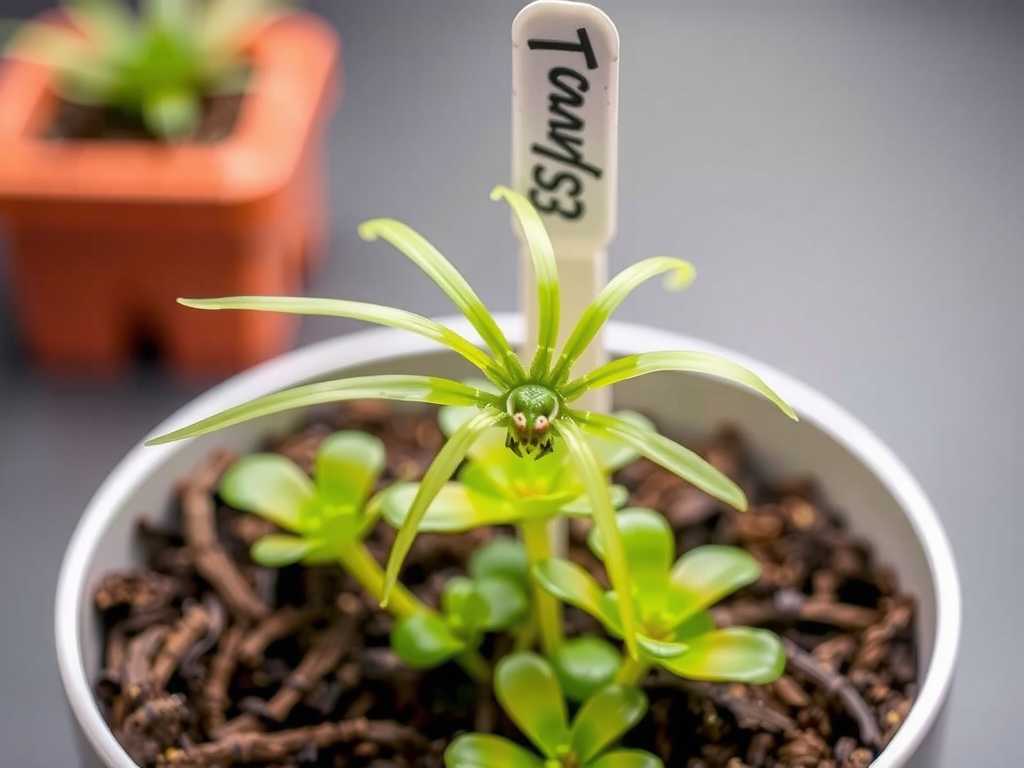
Successfully transitioning spider plant tissue culture seedlings is a rewarding practice that blends science with attentive care. By respecting their origins in the sterile lab and methodically introducing them to the realities of your home, you give these remarkable plants the strongest possible foundation. The patience you invest during these first few weeks will be repaid a hundredfold as you watch them mature into robust, air-purifying companions that began their life in your hands, through your careful stewardship.