bluename
 spider plant Hydroponic Propagation: The Surprising Necessity of Tap Water Sunning
You’ve snipped a healthy spider plant pup, placed it in a clear vase of water, and eagerly await those first white roots. Weeks pass, but instead of vigorous growth, you see only slow progress, perhaps even a hint of rot at the stem. The promise of easy hydroponic propagation seems broken. The culprit often isn’t your care or the plant itself, but an overlooked, critical step in preparing the very foundation of water propagation: the water. This common frustration leads us to a simple yet transformative practice essential for success—Spider Plant Hydroponic Propagation: The Necessity of Tap Water Sunning.
While spider plants (Chlorophytum comosum) are famously resilient, their water-propagated offspring are sensitive to the chemicals we can’t see. Mastering this one pre-propagation step can be the difference between thriving roots and disappointing failure.
Why Your Tap Water is the Hidden Hurdle in Hydroponic Propagation
Most tap water is treated to be safe for human consumption, containing chlorine and, in many municipalities, chloramines. These disinfectants are excellent at keeping our water supply clean but pose a silent challenge to delicate plant tissues, especially freshly cut propagations trying to form new root cells.
Chlorine can damage sensitive root-initiating cells, slowing down the very process you’re trying to encourage. More persistent than chlorine, chloramine is a stable compound that does not evaporate quickly and can remain in water for weeks, continuously affecting plant tissue. Furthermore, dissolved gases in freshly poured tap water can create tiny bubbles that may adhere to the cutting’s stem, potentially hindering root emergence.
This is where the practice of sunning tap water for hydroponics transitions from an old gardener’s tip to a non-negotiable step. It directly addresses the primary chemical barriers to successful root development.
The Science and Method of Effective Tap Water Sunning
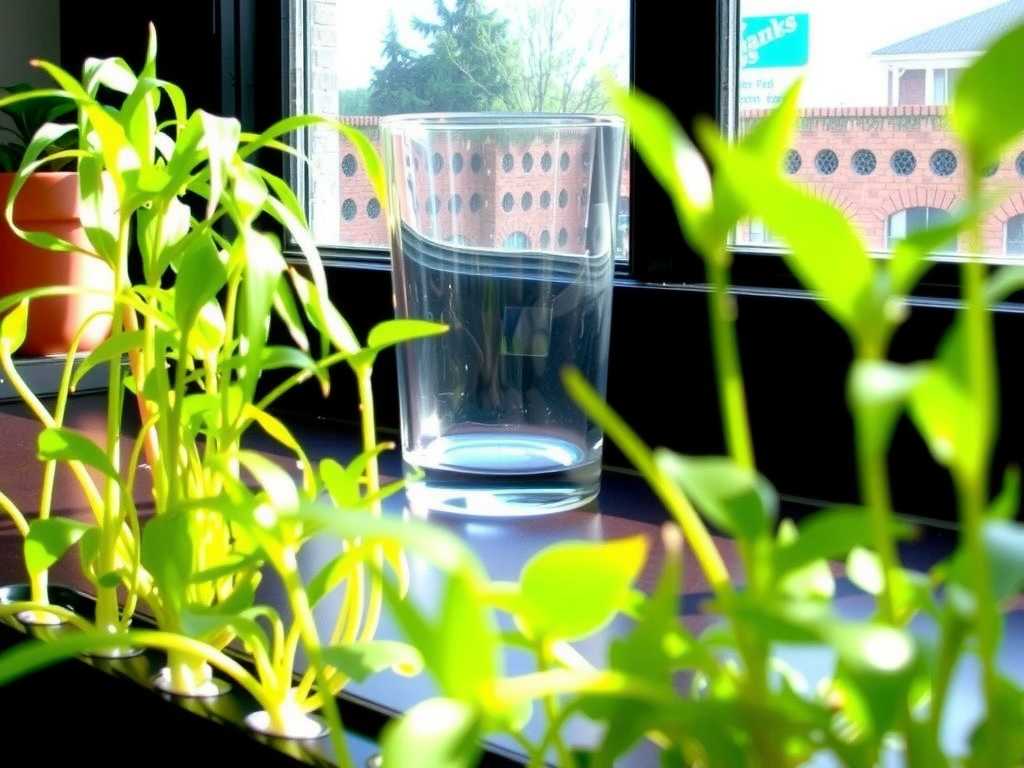
Sunning tap water is the deliberate process of dechlorinating water by exposing it to sunlight and air for a minimum period. The goal is to allow chlorine to volatilize (evaporate) and to let the water reach ambient temperature.
For water containing only chlorine (not chloramine), a minimum sunning period of 24 hours is generally effective. Placing a clear, open container in a sunny spot accelerates the process, as UV light and heat help break down chlorine. If chloramine is present in your local supply (you can check your municipal water quality report), sunning alone is insufficient. Chloramine requires filtration through an activated carbon filter or treatment with a water conditioner designed for aquariums or plants. Always let water sit until it reaches room temperature, as cold water can shock cuttings.
The benefits of using sunned water for spider plants are clear. You eliminate a primary root growth inhibitor, creating a less stressful environment for propagation. Stable water temperature prevents thermal shock, encouraging faster cellular activity. This simple act mimics the soft, chemical-free rainwater these plants would encounter in their natural environment.
Step-by-Step: Propagating Spider Plants in Sunned Tap Water
Armed with properly prepared water, the propagation process becomes remarkably straightforward and successful.
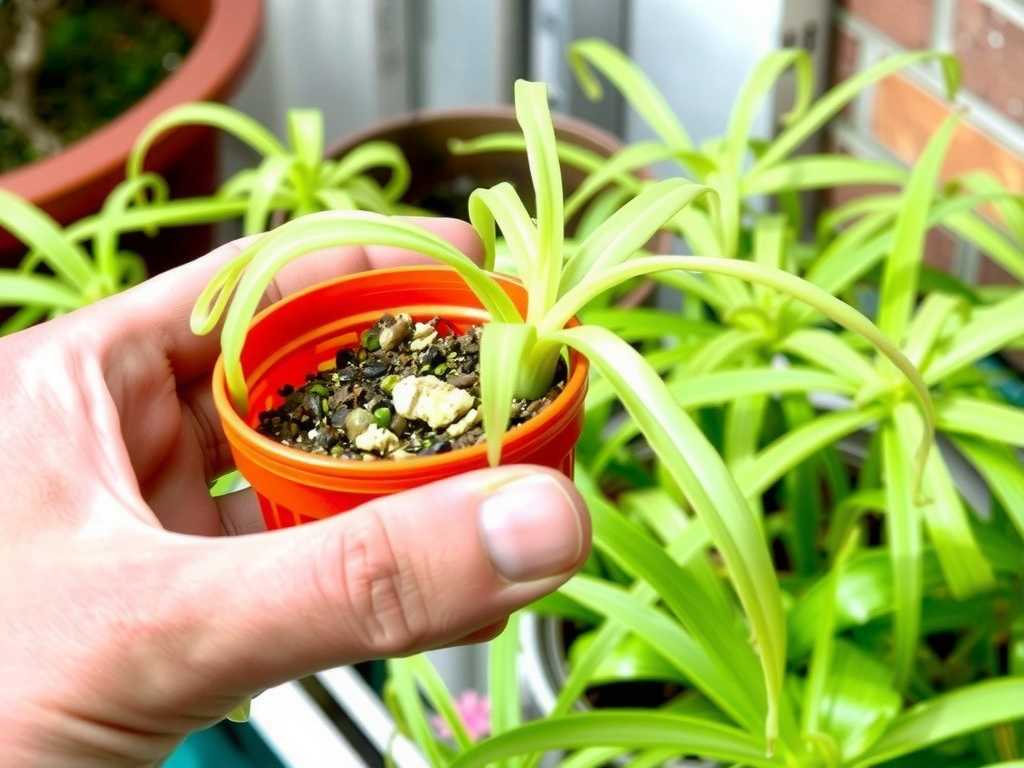
First, select a healthy "pup" or baby spider plant that has developed little knobs at its base—these are pre-formed root initials. Using clean, sharp scissors, snip the pup from the stolon (runner), ensuring a clean cut close to the pup’s base.
Next, prepare your vessel. Choose a clear glass or jar that allows light to reach the stem but is narrow enough to support the pup, keeping only the very base submerged. Fill the vessel with your sunned, room-temperature tap water.
Place the spider plant cutting in the water, ensuring no leaves are below the surface. Position it in a location with bright, indirect light. Direct hot sun can overheat the water and promote algae growth. Change the water completely with fresh sunned water every 5-7 days to replenish oxygen and prevent bacterial buildup.
You should see tiny white roots beginning to emerge within 7-14 days. Once the root system is an inch or two long, your spider plant is ready to be potted in soil or transferred to a permanent hydroponic setup.
Expert Insights and Best Practices for Healthier Roots
Horticulturists consistently emphasize the importance of the propagation medium’s quality. As Dr. Linda Chalker-Scott, an urban horticulturist, often notes, “Plant stress is cumulative.” Starting with chemically stressful water adds an unnecessary first layer of stress that can weaken the cutting’s defenses. Using sunned water removes this initial barrier.
For optimal results, consider these advanced tips. While not always necessary for spider plants, adding a single drop of a liquid seaweed fertilizer to a liter of sunned water can provide trace minerals that encourage root growth once the initial roots have formed. If algae becomes an issue in your clear vase, simply rinse the roots and vessel during water changes; algae is mostly an aesthetic concern. Always use clean tools and containers to introduce pathogens.
Addressing Your Top Questions on Water Propagation
Can I use bottled or distilled water instead of sunning tap water? You can, but it’s often an unnecessary expense. Distilled water lacks minerals, which isn’t harmful but offers no benefit over dechlorinated tap water, which contains mild minerals. Spring water works well but sunning tap water is a cost-free, effective solution that prepares the ideal medium.
What if my spider plant cutting is rotting in the water? This indicates bacterial growth, often exacerbated by a cutting with damaged tissue or water that wasn’t changed. Immediately remove the cutting, cut above the soft, brown rot until you see healthy white stem, let it callous for an hour, and restart with fresh sunned water in a sterilized container. Ensure only the very base is submerged.
How long can I leave the spider plant in water after it roots? Spider plants can live in water indefinitely if cared for properly. However, for long-term hydroponic spider plant care, you must provide dilute liquid fertilizer (as water has no nutrients) and maintain a strict water-changing schedule to prevent stagnation. They may not grow as large as soil-potted plants but can remain healthy and attractive.
Embracing the practice of sunning your tap water before propagation is a small investment of time that yields significant returns. It transforms an ordinary resource into an ideal rooting environment, aligning with the spider plant’s natural needs. By removing chemical stressors and stabilizing temperature, you actively set the stage for rapid root development and a stronger, healthier plant. This foundational step, combined with clean cuts and bright light, turns the simple act of placing a cutting in water into a guaranteed and rewarding gardening success.