bluename
 The Ideal Temperature Range for spider plants: Your Guide to Winter Protection
You’ve nurtured your spider plant, watching it produce those delightful little plantlets, only to notice the tips of its leaves turning brown and crispy as the seasons change. Or perhaps its vibrant green stripes are starting to look pale and weary. If this sounds familiar, the culprit is likely the temperature. Spider plants communicate their discomfort through their leaves, and improper temperatures, especially during the colder months, are a primary cause of stress. Understanding the ideal temperature range is not just about keeping your plant alive; it's about helping it thrive year-round. This guide will walk you through everything you need to know to protect your spider plant from winter's chill and ensure it remains a lush, healthy centerpiece in your home.
What is the Perfect Temperature for Spider Plants?
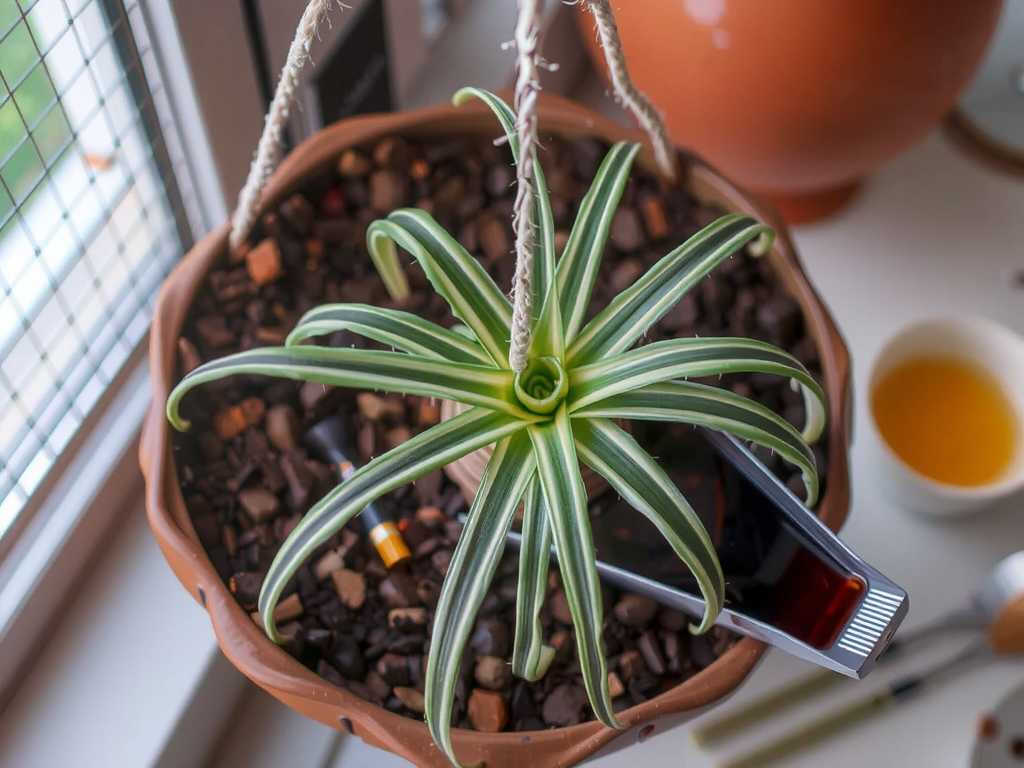
For optimal growth and health, your spider plant prefers a consistent temperature range between 65°F and 80°F (18°C - 27°C). Within this cozy bracket, the plant's physiological processes, like photosynthesis and nutrient uptake, function most efficiently. It’s the sweet spot where you’ll see the most vigorous growth and the highest chance of it producing its iconic spiderettes, or baby offshoots.
Spider plants are remarkably resilient, but they have their limits. They can tolerate brief periods of temperatures as low as 50°F (10°C) and as high as 90°F (32°C). However, prolonged exposure to these extremes will undoubtedly cause stress and visible damage. The key takeaway is consistency. A stable, room-temperature environment mimics their native, subtropical habitats and keeps them happiest.
Why Correct Temperature is Non-Negotiable for Spider Plant Health
Temperature is a fundamental factor that influences every aspect of your spider plant's well-being. It’s more than just a number on a thermostat; it directly controls the plant's internal functions.
- Regulates Metabolic Activity: Think of temperature as the engine's throttle for your plant. Within the ideal range, growth processes hum along smoothly. When temperatures drop too low, these processes slow down dramatically, stunting growth.
- Impacts Water Uptake: Cold soil chills the roots, reducing their ability to absorb water and nutrients. This can happen even if you're watering correctly, leading to symptoms that mimic underwatering, such as drooping and brown tips.
- Triggers Stress Responses: When a spider plant is too cold, it goes into survival mode. This diverts energy away from growth and reproduction, making it more susceptible to diseases and pest infestations.
The Winter Threat: How Cold Temperatures Damage Your Plant
Winter poses the greatest risk to your spider plant's temperature comfort. The dangers aren't always obvious drafts; often, the harm comes from subtle environmental shifts.
Recognizing the Signs of Cold Damage
Your spider plant will tell you when it's too cold. Learning to read these signs is the first step in saving it.
- Brown, Crispy Leaf Tips: This is the most common complaint. Cold air is often dry air, and the combination dehydrates the leaf tips, causing them to die back.
- Soft, Mushy, or Darkened Leaves: If the plant has been exposed to near-freezing temperatures or a severe cold draft, the plant cells can freeze and rupture. This damage is often irreversible.
- Stunted Growth and Pale Leaves: If the plant is consistently in a cool spot, it will simply stop growing. The leaves may lose their vibrant variegation and turn pale or yellowish.
- Leaf Curling or Drooping: The plant may curl its leaves in an attempt to conserve moisture and heat, or they may become limp and droopy.
Common Winter Hazards in Your Home
Many well-intentioned plant owners unknowingly place their spider plants in danger zones. Be mindful of these common pitfalls.
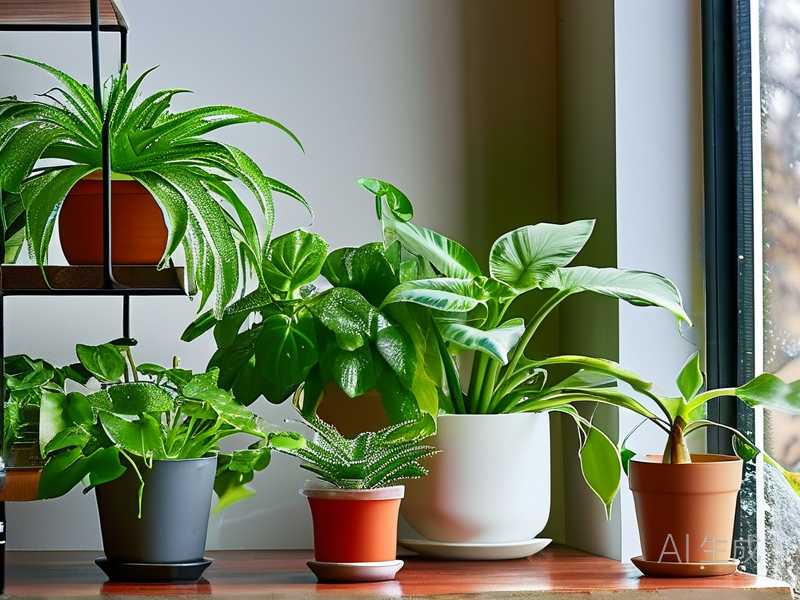
- Drafty Windows: A windowsill might seem like a perfect sunny spot, but single-pane windows can be bitterly cold at night, transferring that chill directly to the plant's leaves and soil.
- Heating Vents and Radiators: While spider plants don't like the cold, they also dislike being baked. Hot, dry air blasting from a vent will quickly dehydrate the leaves, causing browning and stress.
- Exterior Doors: Areas near frequently opened doors are subject to repeated bursts of cold air, preventing the plant from enjoying a stable temperature.
Creating the Perfect Winter Environment
Protecting your spider plant in winter is about proactive placement and environmental control. A little foresight can prevent most issues.
Strategic Placement is Key
The right location is your first and best defense. Avoid placing your plant directly against cold windows. Instead, position it in an interior room where temperatures remain more stable. If you only have window space, consider using a thick curtain as a barrier during the coldest nights. Ensure it's several feet away from any heat sources like radiators, fireplaces, or air vents to avoid scorching and rapid drying.
Managing Humidity Levels
Winter air lacks moisture, and spider plants appreciate moderate humidity. While they are more tolerant of dry air than some tropical plants, boosting humidity will help prevent those pesky brown tips.
- Group Plants Together: Plants release moisture through their leaves in a process called transpiration. Grouping them creates a microclimate with higher humidity.
- Use a Pebble Tray: Place a tray filled with water and pebbles beneath your plant's pot. As the water evaporates, it increases the humidity around the plant. Ensure the pot is resting on the pebbles, not submerged in the water.
- Occasional Misting: A light misting in the morning can help, but it is a temporary solution and should not be relied upon as the sole method for increasing humidity.
Adjusting Your Watering Routine for Colder Months
As growth slows in cooler temperatures and lower light, your spider plant's water requirements decrease. Overwatering is a major risk in winter.
- Check the Soil: Always check the top 1-2 inches of soil before watering. If it feels dry, it's time to water. If it's still moist, wait a few more days.
- Water Deeply, But Less Frequently: When you do water, ensure you water thoroughly until it runs out the drainage hole, but extend the time between waterings significantly.
- Use Room Temperature Water: Avoid shocking the roots with ice-cold water straight from the tap. Let the water sit for a few hours to reach room temperature.
What to Do If Your Spider Plant Gets Too Cold
If you discover your plant has suffered from cold exposure, don't panic. Act quickly to mitigate the damage.
- Move It Immediately: Relocate the plant to a warm, stable environment within its ideal temperature range.
- Assess the Damage: Gently inspect the leaves. Soft, mushy, or blackened leaves are likely dead and will not recover. These should be carefully trimmed away with clean, sharp scissors to prevent rot and encourage the plant to focus energy on healthy growth.
- Hold Off on Watering and Fertilizer: Do not water the plant immediately unless the soil is completely dry. Do not fertilize a stressed plant, as this can cause further root damage.
- Be Patient: Allow the plant time to recover. You may not see new growth for several weeks as it acclimates to its improved conditions.
Frequently Asked Questions
Can a spider plant recover from cold damage? Yes, it can, if the damage is not too severe. While frozen, mushy leaves will not recover, the roots and crown of the plant may still be alive. By trimming the dead material and providing ideal, stable warmth, the plant will often produce new, healthy leaves in time.
Is 50°F too cold for a spider plant? While a spider plant can survive a very brief exposure to 50°F (10°C), it is certainly not ideal and will cause the plant stress. Prolonged exposure to temperatures at or below 50°F will likely lead to stunted growth and visible cold damage, such as browning leaves. It's best to keep it consistently above 65°F (18°C).
What is the relationship between temperature and light for spider plants? Temperature and light are intrinsically linked. During periods of high light (like summer), the plant can utilize warmer temperatures for active growth. In winter, when light levels are lower, the plant's growth naturally slows down, and it requires cooler temperatures to match its slowed metabolism. However, "cooler" should not mean "cold"—staying within the 65-75°F range during low-light periods is perfect.
Providing the right temperature for your spider plant, particularly during the challenging winter months, is one of the most impactful ways to ensure its long-term health and beauty. By focusing on a stable, warm environment, mindful placement, and adjusted care, you can easily prevent cold stress. Watch for the signs, listen to what your plant is telling you, and you'll be rewarded with a resilient, thriving spider plant that continues to purify your air and brighten your space, no matter the season.