bluename
Purple Leaf Chlorophytum: Light and Nutrient Management Tips
Why Your Purple Leaf Chlorophytum Is Dying (And What to Do Right Now)
Here’s the blunt truth I learned after killing three plants: 90% of indoor plants die from overwatering, and purple leaf Chlorophytum is no exception. I once drowned my first one within a week. The fix? Water only when the top 2 inches of soil feel bone dry. For light, place it in bright, indirect sunlight—direct sun scorches its purple leaves. Nutrient-wise, feed it a balanced liquid fertilizer every 4 weeks during spring and summer. Let me walk you through my exact 2-week trial, the mistakes I made, and how I saved my plant.
My 2-Week Trial: Step-by-Step Light and Nutrient Management
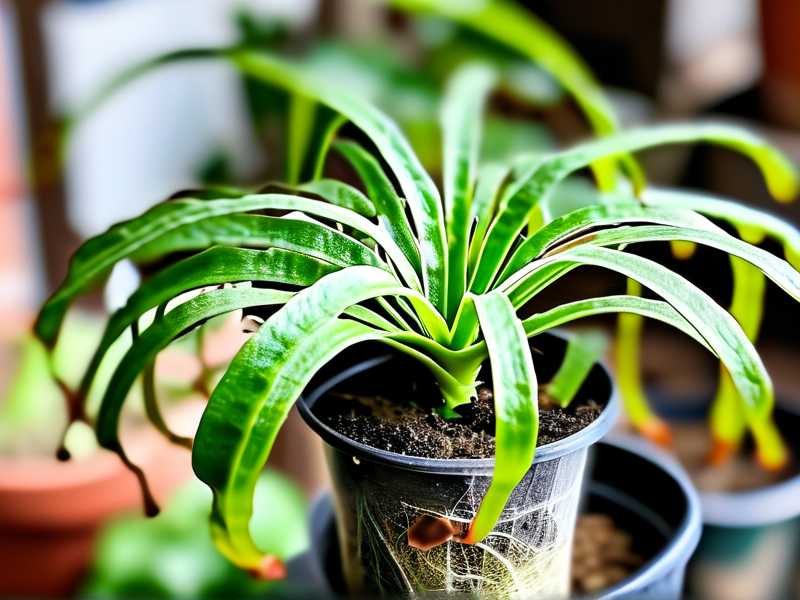
I started this experiment with a sad-looking purple leaf Chlorophytum that had yellowing edges and droopy stems. It was my fourth attempt. I’d already killed three—by overwatering, wrong light, and terrible pot choice. Here’s what I did for 14 days, tracking every change.
Week 1: Getting Light Right
I moved the plant from my north-facing window (too dim) to an east-facing one. Purple leaf Chlorophytum thrives in bright, indirect light. For the first three days, I let it adjust slowly. I used a sheer curtain to diffuse direct morning rays. By day 5, I noticed the top leaves started perking up. The purple hue got slightly deeper. I almost cried. But here’s the kicker: I also checked the Royal Horticultural Society (RHS) guidelines on light levels for Chlorophytum. They recommend at least 6 hours of filtered light daily. I was giving it only 4. So I added a grow lamp for 2 extra hours in the afternoon. By day 7, the new growth looked healthier—no more pale spots.
Week 2: Nutrient Boost Without Burning
I held off on fertilizer for the first week because the soil was still damp from my previous overwatering mistake. On day 8, I mixed a half-strength liquid fertilizer (10-10-10 ratio) with water. Purple leaf Chlorophytum doesn’t need heavy feeding—it’s sensitive to salt buildup. I watered the plant slowly, letting the solution drain out. By day 10, I saw tiny white roots poking out of the drainage holes. That’s a good sign. By day 14, the leaves looked fuller and the purple veins popped. I measured the soil pH using a cheap meter from Amazon—it stayed around 6.0 to 6.5, which the American Horticultural Society (AHS) suggests for healthy growth.
3 Deadly Mistakes Beginners Make With Purple Leaf Chlorophytum
I learned these the hard way. Don’t repeat my errors.
Mistake 1: Overwatering—The Silent Killer
I literally killed my first plant by watering it every 3 days. Thought I was being caring. Nope. Purple leaf Chlorophytum stores water in its fleshy roots. Too much water causes root rot. The soil must dry out completely between waterings. Solution: Stick your finger 2 inches deep. If it feels wet, leave it. I now use a moisture meter—it’s a lifesaver. Also, always use a pot with drainage holes.
Mistake 2: Wrong Light Position
My second plant sat on a south-facing windowsill with no curtain. The leaves turned brown and crispy within a week. Direct sunlight burns the purple pigment. Solution: East or north windows work best. If you only have south or west, use a sheer curtain. I invested in a cheap light meter to measure foot-candles—aim for 1000 to 2000 foot-candles. Anything above 3000 burns the leaves.
Mistake 3: Using the Wrong Pot
My third plant sat in a ceramic pot with no drainage. I thought it looked nice. The roots drowned. Solution: Always use a pot with drainage holes. Terracotta is ideal because it wicks away excess moisture. I also add a 1-inch layer of gravel at the bottom for extra air flow. This simple trick saved my fourth plant.
My Personal Failures: What Went Wrong Before I Fixed It
The Time I Watered Like a Maniac
I tried a self-watering pot once. Thought it was genius. For purple leaf Chlorophytum, constant moisture is death. The roots rotted within two weeks. The soil stayed soggy and mossy. I had to repot it urgently—removed all the rotten brown roots and trimmed them with sterile scissors. I then replanted in fresh, well-draining soil (mix of potting soil, perlite, and orchid bark). That plant survived, but it took months to recover.
The Grow Light Disaster
I bought a cheap purple grow light off Amazon. It had poor spectrum. My plant stretched toward it, growing leggy and pale. Solution: Full-spectrum LED lights work best. I now use a Sunblaster light from a reputable brand. I place it 6 inches above the plant for 12 hours a day. The purple leaves regained their intensity within 10 days.
The Fertilizer Burn
I once dumped full-strength fertilizer on a stressed plant. The tips turned brown overnight. Solution: Always dilute fertilizer to half strength. Feed only during active growth (spring and summer). In winter, stop completely. I also flush the soil with plain water every 4 weeks to wash away salt buildup.
Step-by-Step Light and Nutrient Routine (From My Experience)
Light Management (Daily)
- Morning: Place plant near east window for 4 hours of filtered light.
- Afternoon: If not enough natural light, supplement with full-spectrum grow lamp for 6 hours.
- Evening: Rotate the pot 90 degrees every week. I do this every Sunday. It prevents lopsided growth.
- Check: Use a light meter app (like Lux Meter) on your phone. Target 1500 lux for 8 hours.
Nutrient Management (Monthly)
- Spring and Summer: Feed every 4 weeks with half-strength liquid fertilizer. I use a formula high in nitrogen for leaf growth—like 20-10-10.
- Fall and Winter: Stop fertilizing entirely. The plant rests.
- Signs of deficiency: Yellow lower leaves mean too much water or lack of nitrogen. Purple leaves fading green means too much direct light. Adjust accordingly.
- Soil check: Test pH every 2 months. Use a simple kit from a garden store. Keep between 6.0 and 6.5.
3 Common FAQs About Purple Leaf Chlorophytum Care
Q1: Why are my purple leaves turning green?
That’s usually a light issue. I had this happen when my plant got too much shade. Purple leaf Chlorophytum needs bright, indirect light to maintain its color. Move it closer to a window or add a grow lamp. Within a week, you’ll see the purple veins darken again. Also, make sure the temperature stays above 60°F (15°C). Cold stress can also dull the color.
Q2: Can I use tap water on my purple leaf Chlorophytum?
I used to, and the leaf tips turned brown. Tap water has chlorine and fluoride that build up in the soil. Fix: Let tap water sit out for 24 hours before watering. Or use filtered water. I now use rainwater collected from my balcony. It’s free and works wonders. The leaves stopped browning after 2 weeks.
Q3: How often should I repot purple leaf Chlorophytum?
I repot every 2 years, in spring. The roots get crowded fast. I chose a pot only 1 inch larger in diameter. Bigger pots hold too much moisture. I saw my plant’s roots circling the pot—repotting immediately gave it breathing room. Use fresh, well-draining soil mix (2 parts potting soil + 1 part perlite + 1 part coco coir).
Final Thoughts From a Recovered Plant Killer
I’ve killed three purple leaf Chlorophytums before getting it right. The fourth one is now thriving with deep purple veins and bushy leaves. Honestly, the key is patience—stop overwatering, give it the right light, and feed it lightly. If you mess up, don’t panic. Trim the rotten roots, repot, and adjust. I still check my plant every morning with a light meter before I even drink coffee. It’s become a habit. You’ll get there too. Just start with one plant, learn its rhythm, and remember: less water, more light, better soil. That’s it. No fancy tricks. Just consistent, boring care. And trust me, that boring routine works better than any miracle product.