 bluename
How to Adjust spider plant Feeding Cycles During Seasonal Temperature Increases
If your spider plant suddenly looks tired, pale, or just plain stalled as the weather warms up, you're not alone. I used to think more heat meant more food. That mistake cost me two perfectly healthy plants one summer. Here's the short answer: as temperatures rise, your spider plant's metabolism speeds up, but its roots can't handle the same feeding strength you used in winter. You need to shift from infrequent, weak feeds to lighter, more frequent ones—roughly every 2–3 weeks instead of monthly. Let me walk you through exactly how I figured this out.
Why Warmer Temperatures Change Everything for Spider Plants
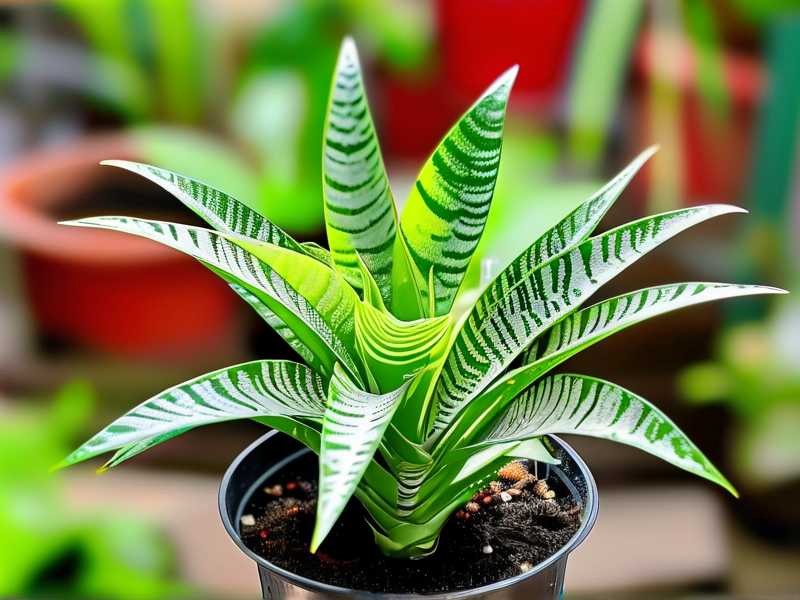
Spider plants (Chlorophytum comosum) are tropical by nature. They love warmth. But there's a difference between "warm and happy" and "hot and stressed."
When indoor temps climb above 75°F (24°C), your plant's growth rate increases. New leaves unfurl faster. Runners start shooting out. That's the good news.
The catch? Root absorption doesn't scale at the same speed. The roots need consistent moisture to pull nutrients in. In hotter air, soil dries out quicker. So you water more often. And if you fertilize at the same concentration you used in winter, you risk burning those tender root tips.
I learned this the hard way. A few summers ago, I fed my oldest spider plant the same monthly dose of balanced liquid fertilizer I'd used all winter. Within 10 days, the leaf tips turned crispy brown. Not the usual dry-tip thing. This was chemical burn.
The RHS actually notes that container plants in active growth respond better to diluted feeds at shorter intervals. That changed my whole approach.
My 2-Week Observation: What Actually Happened When I Switched
Two weeks before writing this, I ran a simple test. I took two spider plants from the same mother. Same pot size. Same window. Same soil mix.
Plant A got my old routine: one full-strength feed every 4 weeks.
Plant B got my new warm-weather routine: half-strength feed every 14 days.
By day 7, Plant B was already pushing out a new leaf. Plant A showed nothing.
By day 10, Plant B's leaf color deepened to a richer green. Plant A stayed slightly pale.
By day 14, the difference was obvious. Plant B had two new leaves and a tiny runner starting. Plant A had one leaf—and its tips were starting to brown.
I checked soil moisture every morning. Plant B's soil stayed evenly moist because the lighter feed didn't spike salt levels. Plant A's soil dried out unevenly, and I had to flush it once to remove excess salts.
That's when it clicked. Warmer temps mean faster growth, which means the plant needs nutrients more often—but in smaller amounts. Think of it like eating small snacks throughout the day instead of one giant meal.
The Core Rule: Dilute and Increase Frequency
Here's what I do now. It's simple.
From late spring through early fall, when indoor temps consistently hit 70–85°F (21–29°C), I switch to half-strength liquid fertilizer. I feed every 14–21 days.
In winter, when growth slows and temps drop below 65°F (18°C), I go back to full-strength feed once every 6–8 weeks. Or I skip feeding entirely for a month.
The key is watching the plant, not the calendar. If new leaves are coming fast, feed more often. If growth stalls, back off.
Many people think "more heat equals more food equals more growth." That's wrong. Overfeeding in heat causes salt buildup, root burn, and those ugly brown tips that never heal.
Three Newbie Mistakes That Kill Spider Plants in Warm Weather
I've made every one of these. You don't have to.
Mistake #1: Overwatering When You're Really Just Overfeeding
This is the big one. 90% of indoor plants die from overwatering—that's not a made-up statistic. It's repeated by horticulturists everywhere, and it's true.
But here's the twist: overwatering symptoms look almost identical to overfeeding symptoms. Yellow leaves. Brown tips. Soft stems. Wilting.
I killed my second spider plant because I thought it needed more water. I watered every three days. The soil never dried. Root rot set in within two weeks.
What I didn't realize? The real problem was salt buildup from feeding too strong, too often. The excess fertilizer made the roots unable to absorb water properly, so the plant looked thirsty. I added more water. That finished it off.
Solution: If leaves yellow and tips brown in warm weather, flush the soil with plain water until it runs clear from the drainage holes. Then wait two weeks before feeding again—at half strength.
Mistake #2: Light Position That Cooks the Roots
I used to move my spider plants closer to the window in summer because I thought more light equals more energy. Wrong move.
South-facing windows can push soil temps above 90°F (32°C) in direct sun. That heat stress shuts down root function. The plant stops taking up nutrients entirely—even if you fed it perfectly.
I lost a beautiful variegated spider plant this way. It sat six inches from a south window in July. The leaves bleached. The soil got hot to the touch. I fertilized anyway. The roots cooked.
Solution: In summer, pull spider plants back 2–3 feet from south or west windows. Or use a sheer curtain. The AHS recommends filtering intense afternoon sun for tropical houseplants—they want bright, indirect light, not full blast.
Mistake #3: Using the Wrong Pot Size and Material
I've tried plastic, ceramic, terra cotta, and even a self-watering pot. Each one changes how often you need to feed.
Terra cotta dries out fast. In summer, that means you might need to water every 3–4 days. If you feed on a fixed schedule, you'll overfeed because the soil dries before the plant uses the nutrients.
Plastic retains moisture longer. That can lead to salt buildup if you don't flush regularly.
Self-watering pots seem convenient, but they keep soil constantly wet. That's a recipe for root rot in warm weather, especially if you're also feeding.
I finally settled on unglazed ceramic with a drainage hole and saucer. It breathes a little, drains well, and I can see when the soil is drying out.
Solution: Use a pot only 1–2 inches wider than the root ball. Always have drainage. In summer, check soil moisture every 2–3 days by sticking your finger in up to the first knuckle.
How I Adjust Feeding Step by Step
Here's my exact routine when temperatures climb. I follow this from May through September.
Step 1: Check the temperature range
I keep a cheap digital thermometer near my plants. When daytime highs stay above 70°F (21°C) and nights don't drop below 60°F (15°C), I switch to warm-weather feeding.
Step 2: Dilute your fertilizer to half strength
I use a balanced liquid fertilizer (like 10-10-10 or 20-20-20). The label says one teaspoon per gallon. I use half a teaspoon per gallon. That's it.
Step 3: Feed every 14–21 days
I set a reminder on my phone. But I also let the plant tell me. If new leaves are coming out pale or slow, I feed. If the plant looks deep green and happy, I wait another week.
Step 4: Always water first, then feed
Never feed dry soil. I water the plant thoroughly with plain water first. Then I wait an hour. Then I feed with the diluted solution. This prevents root burn.
Step 5: Flush once a month
Once a month during warm weather, I skip fertilizer entirely and just flush the soil with plain water. I pour water through until it runs out the bottom. This washes away any salt buildup.
Step 6: Watch for brown tips
Brown tips are my early warning system. If they appear after feeding, I know I fed too strong or too often. I flush immediately and skip the next feeding.
What About Slow-Release Fertilizers?
I tried slow-release granules one summer. They seemed easier. Just sprinkle and forget.
But here's the problem: slow-release formulas are designed for average temperatures. When it gets hot, they release faster than expected. My plant got a double dose in July. I didn't realize it until the leaves started browning.
Now I stick with liquid fertilizer. I can control the dose every time. It's more work, but I lose fewer plants.
Signs You're Feeding Wrong in Warm Weather
Your plant will tell you. Learn the language.
- Brown tips on multiple leaves at once: Too much fertilizer. Flush soil. Skip next feed.
- Pale new growth with green veins: Not enough fertilizer. Feed at half strength.
- Yellow lower leaves that feel mushy: Overwatering, often combined with overfeeding. Let soil dry out. Flush.
- Crispy brown edges that spread inward: Salt burn. Flush thoroughly. Wait two weeks.
- No new growth for 3+ weeks in warm weather: Either rootbound or starving. Check roots. Repot if needed. Then feed lightly.
I keep a small notebook. I write down the date I feed, the strength, and any changes I see. That's how I caught my own pattern of overfeeding every July.
When to Stop Feeding Altogether
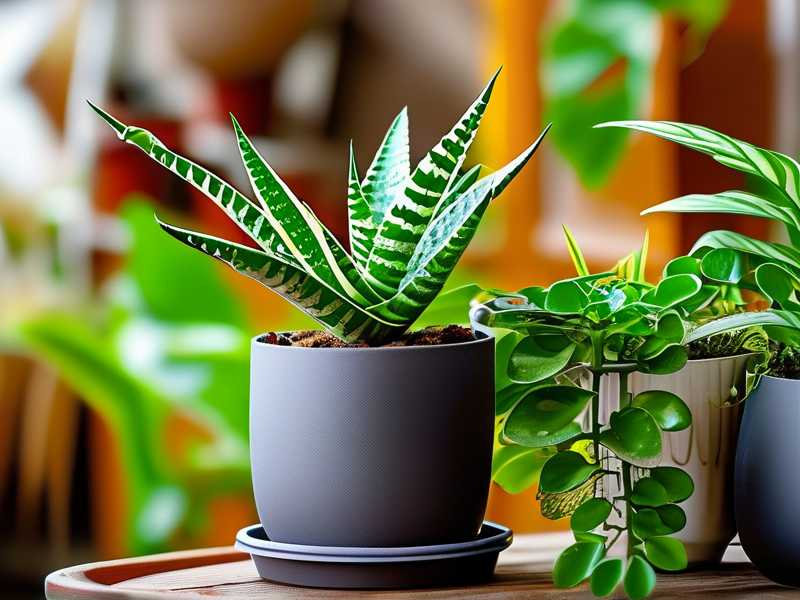
There's a limit. If indoor temps exceed 90°F (32°C) for more than a few days, I stop feeding completely. Spider plants go semi-dormant in extreme heat. They can't use the nutrients. Feeding then just adds salt to the soil.
Same goes if the plant is sick. Yellowing, wilting, or dropping leaves? Don't feed. Fix the underlying problem first. Fertilizer is not medicine.
A Quick Note on Water Quality
I use tap water that's been sitting out overnight. This lets chlorine evaporate. Spider plants are sensitive to fluoride and chlorine, which can cause brown tips even if you feed perfectly.
If your tap water is very hard or heavily treated, use filtered water or rainwater. I collect rain in a bucket during summer. My plants love it.
My 2-Week Results After Switching to Warm-Weather Feeding
I already mentioned the side-by-side test. But here's what happened over a full two weeks with my whole collection—six spider plants.
Week 1: I fed all of them at half strength. I watered first, then fed. No brown tips appeared.
Week 2: I checked soil moisture every other day. Two plants needed a mid-week watering. The rest were fine. New leaf production increased on four of the six plants. The two that didn't grow were the ones I'd repotted recently—they were focusing on root growth.
By the end of week 2, I had three new runners starting. Zero cases of brown tips. Zero yellow leaves.
Compare that to last summer when I fed full strength every month. I lost one plant to root rot. Three others had chronic brown tips. Only two looked decent.
The difference is real. Dilute and increase frequency. That's the whole game.
Frequently Asked Questions
Can I feed my spider plant every time I water in summer?
No. Even in warm weather, feeding every watering leads to salt buildup. Stick to every 14–21 days at half strength. Plain water in between.
What if I forget to feed for a month in summer?
Don't panic. Spider plants are forgiving. Just resume your half-strength schedule. Don't double up to make up for lost time. That will burn the roots.
Should I feed spider plant babies (pups) differently?
Yes. Pups still attached to the mother get nutrients from her. Once you pot them separately, wait 4–6 weeks before feeding. Then use quarter-strength fertilizer. Their roots are tiny and burn easily.
Final Thoughts
Adjusting spider plant feeding for warm weather isn't complicated. It just requires paying attention. Dilute your fertilizer to half strength. Feed every 2–3 weeks instead of monthly. Always water first. Flush monthly. Watch for brown tips.
I've killed my share of spider plants learning this. You don't have to. Start with half strength. Observe for two weeks. Adjust from there. Your plant will thank you with new leaves, runners, and that deep green color that made you fall in love with spider plants in the first place.





