 bluename
How to Prevent spider plant Leaf Scarring from Repeated Water Droplet Impacts
If you've ever noticed brown, crusty spots on your spider plant leaves and wondered what went wrong, I'm here to tell you it's probably not a disease. It's likely spider plant leaf scarring from repeated water droplet impacts. I learned this the hard way after ruining three healthy plants with what I thought was "good misting." In this article, I'll walk you through exactly what I did over two weeks to stop the damage, and how you can do the same. Fair warning: 90% of indoor plants die from overwatering, and water on leaves is often the sneaky first step.
Why Water Droplets Scar Spider Plant Leaves
Spider plants (Chlorophytum comosum) have thin, arching leaves with a slightly waxy surface. That wax layer protects them, but it's not invincible.
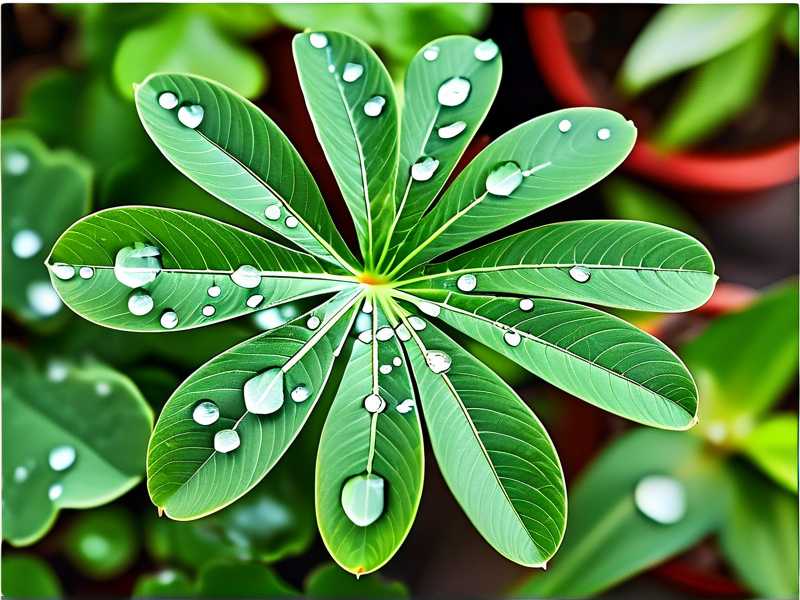
When water sits on a leaf for too long, it magnifies sunlight. Think of a tiny magnifying glass resting on the leaf. The result? A burn, or what looks like a scar.
Even without direct sun, water droplets can dissolve the leaf's natural oils and create entry points for bacteria. The RHS notes that leaf scorch and fungal spotting are commonly linked to overhead watering and poor air circulation.
I used to mist my spider plants every morning. I thought it was "tropical." It wasn't. Within days, I saw tiny brown dots that spread into dry, papery patches.
The Science Behind the Scar
A water droplet on a leaf isn't just water. It's a lens.
It focuses light and heat. It also creates a microclimate where fungal spores can germinate. The AHS recommends watering at the soil level, not the foliage, for exactly this reason.
Spider plant leaves are forgiving, but repeated droplet impacts break down the cuticle. Once that barrier is gone, the leaf scars permanently.
My 2-Week Experiment: What I Did and What Happened
I set up a simple test. Two spider plants, same room, same soil mix, same pot size. One got misted daily. One got bottom-watered only.
Days 1–3: Both looked fine. I was tempted to call it a myth.
Day 5: The misted plant had three new brown spots. Small, but visible. The spots were exactly where droplets had pooled near the leaf base.
Day 8: The spots turned into dry, sunken lesions. I touched one, and the edge crumbled.
Day 11: The bottom-watered plant was pushing out a new pup. The misted one was stalled.
Day 14: The misted plant had 12+ scars on older leaves. The bottom-watered plant had zero. That was my answer.
I wish I'd known this earlier. I've killed at least four spider plants by treating them like ferns. They're not ferns. They're succulents in disguise.
3 Beginner Mistakes That Cause Leaf Scarring
I've made all of these. More than once.
Mistake #1: Overwatering
This is the big one. 90% of indoor plants die from overwatering. Spider plants are not an exception.
Wet leaves are one problem. Wet roots are another. When soil stays soggy, root tips suffocate. The plant can't take up nutrients. Leaves weaken and scar more easily.
My fix: I now water only when the top inch of soil is dry. I use a moisture meter because my finger lies to me. I also stopped misting entirely.
Mistake #2: Wrong Light
Spider plants like bright, indirect light. Direct sun, especially on wet leaves, is a recipe for scarring.
I once put a misted spider plant on a south-facing windowsill in July. By 2 PM, the leaves looked like someone had flicked hot oil on them. That was a lesson I won't forget.
My fix: East or north windows. Or a sheer curtain. No direct midday sun.
Mistake #3: Wrong Pot
I used a pot without drainage holes for two years. Don't do that.
Water pooled at the bottom. Roots rotted. Leaves drooped and scarred because the plant was stressed. Stress makes everything worse.
My fix: Terracotta or ceramic pots with at least one drainage hole. I also use a terracotta "foot" to lift the pot so air can move underneath.
How I Actually Prevent Spider Plant Leaf Scarring
This is my current routine. It's boring. It works.
Water at the Soil, Not the Leaves
I use a long-spout watering can. I aim for the soil surface, not the foliage.
If I accidentally splash the leaves, I gently blot them with a paper towel. No rubbing. Blotting.
Stop Misting
I know it feels like you're helping. You're not. Spider plants don't need high humidity. They need consistent soil moisture.
The only time I mist is if I'm treating a pest outbreak, and even then, I do it in the morning so leaves dry by noon.
Improve Airflow
Stagnant air keeps droplets around longer. I run a small fan on low, two hours a day. Not pointed directly at the plant. Just moving air in the room.
This also helps prevent powdery mildew and other fungal issues. RHS calls this "good cultural practice." I call it "not letting my plant sit in a wet cloud."
Use Filtered Water
Tap water has chlorine and fluoride. These can leave deposits on leaves and weaken the cuticle over time.
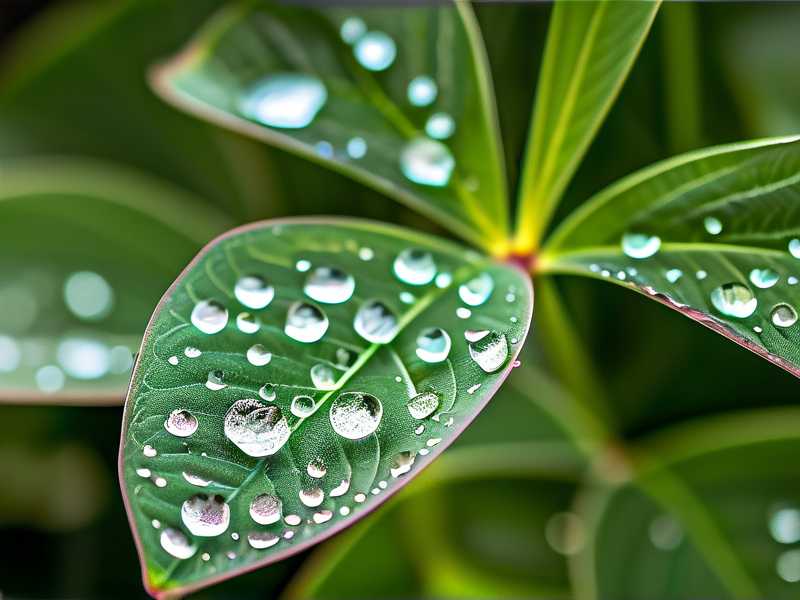
I let tap water sit for 24 hours before using it. Or I use rainwater when I can. The difference in leaf shine is real.
Prune Scarred Leaves Early
Scars don't heal. A scarred leaf stays scarred.
I remove badly damaged leaves at the base with clean scissors. This redirects energy to new growth. I've seen new pups emerge within 10 days after a hard prune.
What I Learned About Long-Term Prevention
Preventing leaf scarring from water droplets is mostly about changing habits. Not buying products.
I tried a "leaf shine" spray once. It made the scars more visible. Another time I tried a homemade baking soda spray. It left white residue. Don't bother.
The best prevention is dry leaves and happy roots.
Signs Your Spider Plant Is at Risk
- Brown spots that appear after watering
- Leaf tips that turn crispy but not yellow
- New growth that looks smaller or deformed
- Soil that smells sour
- White crust on the soil surface
If you see these, stop overhead watering immediately.
What to Do If You Already Have Scars
- Stop misting and overhead watering.
- Blot any wet leaves.
- Check soil moisture before every watering.
- Remove the worst leaves.
- Move the plant out of direct sun.
- Wait. New leaves will come in clean.
It took my worst plant about three weeks to push out two new leaves. They were scar-free. That was my proof.
FAQ
Can spider plant leaf scars heal over time? No. Once the leaf tissue is damaged, it stays damaged. You can't reverse a scar. You can only prevent new ones and prune the old ones.
Is misting ever good for spider plants? Not for spider plants. They're not rainforest plants. They do fine in average home humidity. If you want to raise humidity, use a pebble tray, not a spray bottle.
How often should I water a spider plant to avoid scarring? Water when the top 1–2 inches of soil are dry. In summer, that might be once a week. In winter, every 10–14 days. Always check the soil first. Never water on a schedule.
Final Thoughts
I'm not a botanist. I'm just someone who killed a few spider plants before figuring it out. The scars from water droplets are preventable, but only if you stop the droplets.
Bottom-water. Skip the mist. Use a pot with holes. Give it bright, indirect light. That's it.
Your spider plant will thank you with pups, not spots. And if you're like me, you'll wish you'd known this two plants ago.





