 bluename
How to Adjust spider plant Care Routines for Small Compact Apartment Balconies
If your spider plant is sitting on a cramped balcony and looking a little sad, the fix is simpler than you think. The short answer: shrink the pot, switch to filtered light, and stop watering on a schedule. Water only when the top inch of soil feels dry. That one change solves most balcony struggles. I learned this after killing three spider plants on my own tiny apartment balcony. I used to water every Sunday like clockwork. Bad idea. Ninety percent of indoor plants die from overwatering, and balcony plants are no exception, especially in small pots that hold moisture longer than you'd expect. So let me walk you through exactly how I adjusted my spider plant care routines for a compact balcony, and what I saw after two weeks of sticking to it.
Why Small Balconies Change Everything for Spider Plants
Spider plants are tough. That's why they're everywhere. But a small balcony is not a living room corner. It's a totally different environment.
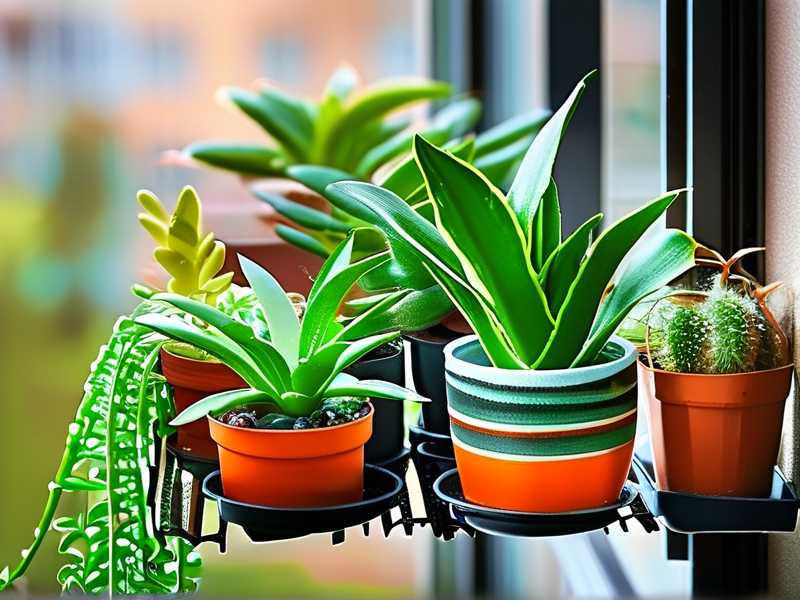
Wind hits harder. Heat bounces off walls. Sunlight shifts fast. And you probably have limited floor space.
I live in a 500-square-foot apartment with a balcony about the size of a bathtub. That's it. So every plant has to earn its spot.
Here's what I noticed after moving my spider plant from a shaded windowsill to that balcony.
- The leaves bleached within four days.
- The soil dried out way faster on windy afternoons.
- The pot kept tipping over because it was too tall for the railing shelf.
So I started over. Not with a new plant, but with a new set of rules.
Mistake One: Overwatering on a Fixed Schedule
This is the big one. I can't stress it enough.
I used to water my spider plant every Sunday. Rain or shine. Hot or cold. It didn't matter.
By week three on the balcony, the center of the plant turned mushy. The leaves went yellow at the base. I pulled it out and the roots were brown and smelly.
That's root rot. Classic overwatering.
The Royal Horticultural Society (RHS) says most houseplants suffer more from too much water than too little. I believe it. I've lived it.
So here's what I do now instead.
The finger test. Stick your index finger into the soil up to the first knuckle. If it feels moist, wait. If it feels dry, water.
The weight test. Lift the pot. A dry spider plant feels surprisingly light. A wet one feels heavy like a wet sponge.
The balcony factor. Wind and sun dry soil faster. So in summer, I might water every five days. In winter, every ten to twelve days. No fixed schedule.
After two weeks of this method, my spider plant stopped yellowing. New leaves started coming in green and firm. No more mush.
Mistake Two: Putting It in Direct Sunlight
Spider plants love bright, indirect light. That's the standard advice. But on a small balcony, "indirect" is tricky.
My balcony faces east. Morning sun is gentle. By 11 a.m., it's gone. That's perfect.
But if your balcony faces south or west, you'll get harsh afternoon sun. And that will scorch spider plant leaves.
I tried putting mine on the south side once. Just to see. By day three, the leaves had brown tips and pale streaks. It looked sunburned. Because it was.
Here's how I fixed it.
Use a sheer curtain or shade cloth. I hung a cheap white curtain on a tension rod. It cut the light by about 50 percent. The plant perked up within a week.
Move it back from the railing. Even 12 inches makes a difference. The railing gets full sun. The wall behind it gets dappled light.
Rotate every few days. I turn my pot a quarter turn every three days. That keeps growth even. No leaning.
The American Horticultural Society (AHS) notes that spider plants tolerate some shade but produce best color in bright, filtered light. That matches what I see.
After two weeks with the curtain, my plant had three new babies (spiderettes) forming. That's a good sign.
Mistake Three: Using the Wrong Pot
I used to think a big pot meant a happy plant. More room for roots, right?
Wrong.
A spider plant in a pot that's too big sits in wet soil for too long. The roots can't drink it all. That leads to rot.
Also, on a small balcony, a big pot takes up precious space. And it's heavy. I had a ceramic pot crack once because it froze overnight in late fall. Lesson learned.
Here's what I use now.
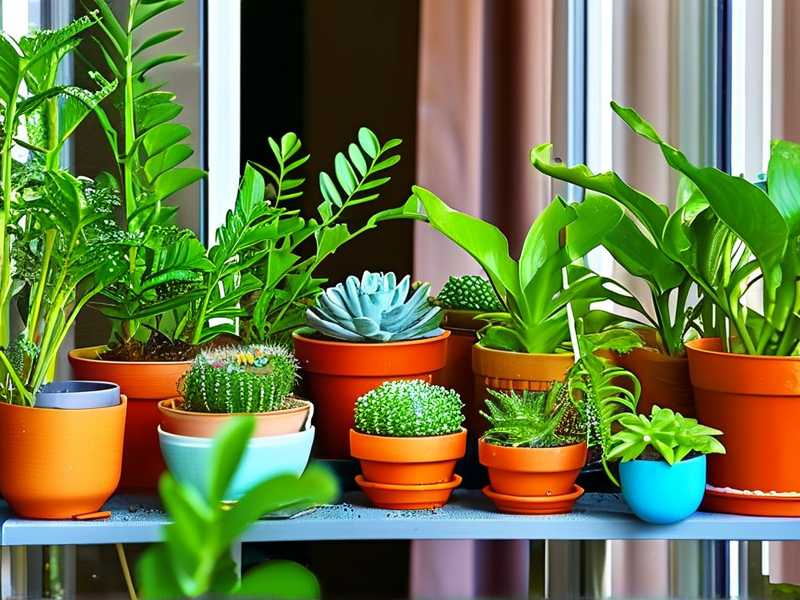
A pot that's 1 to 2 inches wider than the root ball. No more. Spider plants like being slightly root-bound. They actually grow better that way.
Terracotta or unglazed clay. These breathe. They wick away extra moisture. Plastic pots hold water like a sealed jar. I switched to terracotta and my overwatering problems dropped by half.
A saucer with pebbles. This catches runoff. But it also keeps the pot off the ground. That helps with airflow and prevents water stains on the balcony floor.
Hang it if you can. I use a simple macrame hanger on a hook. It saves floor space. And spider plants look great trailing down.
One more thing: make sure the pot has drainage holes. I bought a cute pot once with no holes. I thought I could just water less. Nope. The plant drowned in two weeks. Don't do that.
How I Adjusted My Routine for a Compact Balcony
Here's my exact two-week schedule. I wrote it down so I could track what worked.
Day 1: Moved plant to east-facing balcony. Placed on a small stool 6 inches from the railing.
Day 2: Checked soil. Still moist from the move. Did not water.
Day 4: Soil dry at 1 inch. Watered until it ran out the bottom. Emptied the saucer after 10 minutes.
Day 6: Rotated pot a quarter turn. Noticed one leaf with a brown tip. Trimmed it with clean scissors.
Day 8: Soil still slightly moist. Skipped watering. Misted the leaves lightly in the morning.
Day 10: New leaf unfurling from the center. Watered again. Added a diluted liquid fertilizer (half strength).
Day 12: Moved the plant back 4 inches because the afternoon sun got stronger. No more brown tips.
Day 14: Counted three new spiderettes forming. Leaves were darker green. No yellowing. No mush. Success.
That's it. Two weeks. Small changes. Big difference.
Long-Tail Tips for Tiny Balconies
If your balcony is really small, like mine, you need to think vertically. I use a three-tier shelving unit that's only 18 inches wide. It holds my spider plant, a pothos, and a small herb pot.
Group plants together. They create a microclimate. Humidity stays higher. That helps spider plants because they like a little moisture in the air.
Use self-watering pots with caution. I tried one. It worked for two weeks. Then it stayed too wet. I went back to manual watering. I like being in control.
Watch the wind. Spider plant leaves are thin. Strong gusts can shred them. If your balcony is windy, put the plant against the wall. Or use a small screen.
Check the temperature. Spider plants like 65 to 75°F. If your balcony gets below 50°F at night, bring the plant inside. I learned this after a cold snap turned my leaves black.
Clean the leaves. Balcony dust and pollen build up. Wipe leaves with a damp cloth every two weeks. That helps them breathe.
When to Bring Your Spider Plant Inside
Even on a covered balcony, spider plants can struggle in extreme weather. I bring mine inside when:
- Nighttime temps drop below 50°F.
- A heatwave pushes past 90°F for more than two days.
- Heavy rain is forecast for more than 24 hours.
I just move it to a bright windowsill. The plant doesn't skip a beat. I've done this three times now. No shock. No dropped leaves.
Common Questions I Get From Friends
Can a spider plant survive on a north-facing balcony?
Yes, but it will grow slower. North light is low. You'll get fewer spiderettes. I tried it once. The plant lived but didn't thrive. If that's all you have, add a small grow light. I use a clip-on LED for 6 hours a day.
How often should I water on a hot balcony?
Forget the calendar. Check the soil every two days. In a heatwave, I've watered every three days. In cool weather, every two weeks. The finger test never lies.
Do spider plants need fertilizer on a balcony?
They benefit from it, but lightly. I feed half-strength liquid fertilizer once a month in spring and summer. None in winter. Overfeeding causes brown tips. I've made that mistake. It's not fun.
Final Thoughts From My Balcony to Yours
Adjusting spider plant care for a small compact apartment balcony is not about doing more. It's about doing less of the wrong things.
Stop watering on a schedule. Stop putting it in harsh sun. Stop using giant pots.
Instead, check the soil. Filter the light. Use a small terracotta pot with drainage.
My spider plant went from nearly dead to producing babies in two weeks. If I can do it on a balcony the size of a bathtub, you can too.
Just remember: 90% of indoor plants die from overwatering. Don't be part of that statistic. Your spider plant will thank you.





