 bluename
How to Recognize spider plant Stress Caused by Inconsistent Daily Care Routines
If your spider plant is looking a little sad and you can't figure out why, I want you to stop and think about one thing first: your daily routine. Or honestly, your lack of one.
I know that sounds harsh. But after killing four spider plants over the years and finally keeping one alive for three years now, I can tell you the number one culprit isn't pests, it isn't bad soil, and it usually isn't even the plant itself. It's inconsistency. That's what spider plant stress caused by inconsistent daily care routines looks like. It creeps in slowly. And by the time you notice, your plant has already been suffering for weeks.
Here's the short answer you probably came for. Spider plant stress from inconsistent care shows up as brown tips, pale or yellowing leaves, drooping foliage, stunted growth, and leaves that feel limp instead of firm. The symptoms often look like underwatering or overwatering at the same time, which is exactly why so many people misdiagnose it.
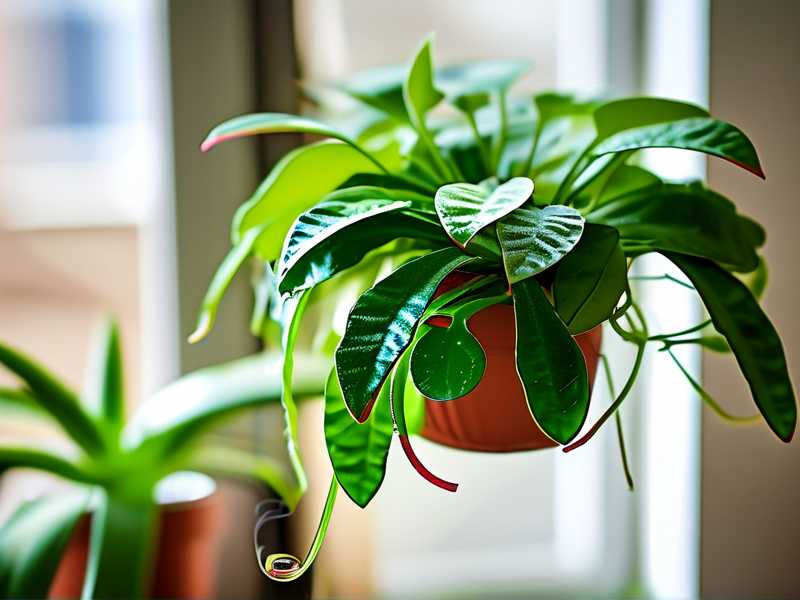
I learned this the hard way. My first spider plant died because I watered it whenever I remembered. Some weeks that was twice. Some weeks it was zero. My second one got moved from a bright window to a dark corner and back again depending on my mood. My third one sat in a pot with no drainage holes because I liked how it looked. Yeah. I know.
Let me walk you through everything I've figured out, including the two-week observation routine I now use, the mistakes I kept repeating, and how to tell the difference between normal spider plant quirks and real stress.
Why Consistency Matters More Than Perfection
Spider plants are forgiving. That's probably why they're marketed as beginner plants. But "forgiving" doesn't mean "immune to chaos."
According to the RHS, most houseplants thrive on stable conditions rather than perfect ones. The AHS makes a similar point in its indoor growing guides, noting that fluctuating moisture levels stress root systems even when the plant looks fine above the soil. I've found this to be completely true.
Your spider plant doesn't care if you water it every Sunday at 8 a.m. It cares that you water it roughly the same way, at roughly the same intervals, under roughly the same light. When that rhythm breaks, the plant spends energy adjusting instead of growing. And that energy drain is what shows up as stress.
I used to think plants were tough. They adapt, right? Well, they do adapt. But adapting is exhausting. A plant that's constantly adapting is a plant that's not thriving.
The Three Big Mistakes New Growers Keep Making
I've made all three of these. Multiple times. Let me save you the trouble.
Mistake One: Overwatering (The Classic Killer)
You've heard it before, but it's worth repeating: 90% of indoor plants die from overwatering. That number comes up again and again in horticulture circles, and after my own experience, I believe it completely.
Here's the thing about spider plants. They have thick, fleshy roots that store water. They don't need as much as you think. When you water on a random schedule, you're either drowning them or drying them out. There's rarely an in-between.
My second spider plant died because I watered it every time I felt guilty. That's not a schedule. That's an emotion. The roots rotted within a month, and I didn't notice until the leaves turned translucent and mushy at the base.
Mistake Two: Light Whiplash
Spider plants like bright, indirect light. They can handle some direct morning sun. But they don't like being moved around.
I used to rotate my plant between a south-facing window and a dim hallway depending on where I was sitting that day. I thought I was giving it variety. I was giving it stress. The leaves started curling inward, and growth basically stopped for six weeks.
Plants build their entire metabolism around light conditions. When light changes constantly, they can't calibrate. That's when you see pale, washed-out leaves or leggy, stretched-out growth.
Mistake Three: The Wrong Pot
This one gets ignored a lot. I definitely ignored it.
A pot without drainage holes is a death sentence for most houseplants. Water sits at the bottom, roots suffocate, and you get root rot even if you're careful about how much you pour.
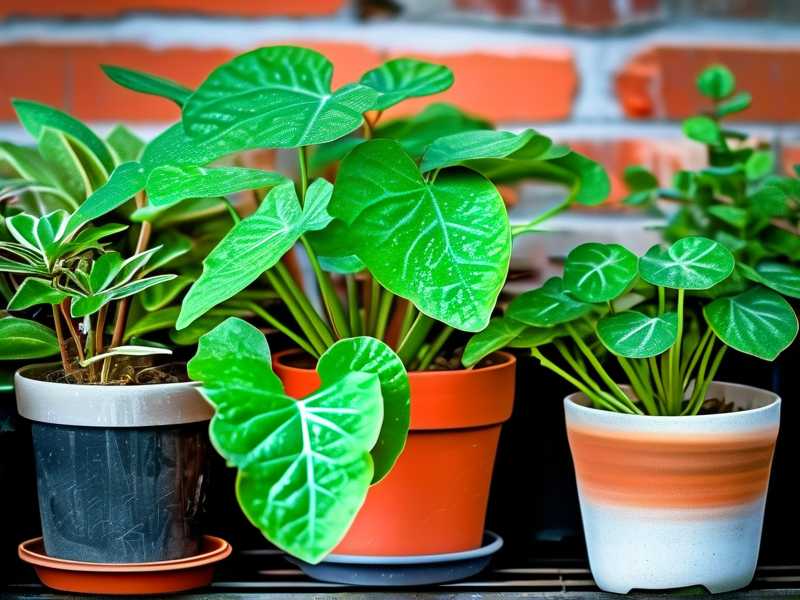
But it's not just drainage. Pot size matters too. Too big, and the soil stays wet for too long because there aren't enough roots to drink it up. Too small, and the plant gets root-bound faster than you expect.
I killed a beautiful variegated spider plant because I potted it in a decorative ceramic container that was three inches wider than its root ball. The soil never dried out properly, and the plant declined over about five weeks. Slow, painful, and completely preventable.
My Two-Week Observation Routine
After all those failures, I started doing something different. I treated my spider plant like a science experiment for two weeks. I wrote things down. I took photos. And honestly, that's when I finally understood what stress actually looks like in real time.
Here's what I did.
Days 1-3: Baseline Check
I picked a fixed spot for the plant, about four feet from an east-facing window. No moving. I watered it thoroughly once until water ran out the drainage holes, then I left it alone.
I noted the leaf color, the firmness of the leaves, and whether the tips were brown. I also checked the soil moisture by sticking my finger about an inch deep. I took a photo from the same angle every morning.
Days 4-7: Watching for Changes
By day five, I noticed something. The newest leaves were slightly paler than the older ones. That's not always a problem, but in my case, it was an early sign that the plant wasn't getting consistent light.
I didn't move it. I just watched. The pale color didn't get worse, which told me the plant was adjusting. If I had panicked and moved it to a brighter spot, I would have reset that adjustment and made things harder.
Days 8-14: Confirming the Pattern
By the end of two weeks, I had a clear picture. The plant was stable in that spot. The soil dried out in about nine days. The leaves stayed firm. No new brown tips appeared.
That's when I knew my routine was working. Not perfect, but consistent. And that consistency was the whole point.
How to Spot Stress Before It Gets Bad
You don't need a lab. You just need to pay attention. Here's what I look for now, almost automatically.
Brown Tips
This is the most common complaint, and it's usually the first sign of inconsistent watering. Brown tips can also come from tap water chemicals, but if your watering schedule is erratic, that's the likely cause.
Yellowing Leaves
Yellow leaves can mean overwatering, poor drainage, or too much direct sun. If the yellowing starts at the base and spreads upward, it's probably root-related.
Drooping or Limp Leaves
A healthy spider plant has leaves that arch but still feel firm. If they flop over and feel soft, you're either underwatering or the roots are damaged.
Curling Leaves
Curling usually means the plant is trying to conserve moisture. That's a sign of inconsistent watering or low humidity. I see this most in winter when indoor air gets dry.
Stunted Growth
If your plant hasn't put out new leaves in a month or two, something is off. Spider plants grow pretty steadily in good conditions. Stalling usually means stress.
Fixing the Routine Without Overcorrecting
Here's where a lot of people mess up. They see stress, panic, and change everything at once. That makes it worse.
I did this too. I repotted, moved the plant, changed my watering schedule, and fertilized all in the same week. The plant went into shock and dropped half its leaves.
What actually worked was slow, steady adjustment.
Step One: Pick One Variable
Start with water. Water on a consistent schedule for two weeks. Check the soil before you water. If it's still moist an inch down, wait. If it's dry, water thoroughly.
Step Two: Leave the Light Alone
Don't move the plant. Let it adjust to where it is. Unless it's in a dark corner with no natural light, give it time.
Step Three: Check the Pot
Make sure there are drainage holes. If there aren't, repot into something that has them. But do this separately from watering changes. One thing at a time.
What Experts Say About Routine
I've read a lot of gardening advice over the years. The sources that actually helped were the ones that focused on consistency rather than rigid rules.
The RHS notes that houseplants do best when growers observe them regularly and respond to their needs rather than following a fixed calendar. The AHS recommends checking soil moisture before watering rather than watering on a set day. Both of these point to the same idea: pay attention, then act.
That's the opposite of what most of us do. We water when we remember. We move plants when we redecorate. We repot when we're bored. And then we wonder why the plant looks terrible.
The Emotional Side of Plant Care
I want to mention something that doesn't get talked about enough. Plant care is emotional. We feel guilty when plants decline. We feel proud when they thrive. And that emotional rollercoaster can lead to bad decisions.
I used to overwater because I felt like I wasn't doing enough. I used to move plants around because I wanted to feel involved. I used to buy new pots because it was fun.
None of that helped the plant. What helped was stepping back and letting the plant be a plant.
FAQ
How often should I water a spider plant?
It depends on light, temperature, and pot size. In my experience, every 7-10 days in summer and every 10-14 days in winter works for most indoor conditions. But always check the soil first.
Can a spider plant recover from stress?
Yes, usually. Spider plants are resilient. If you stabilize the routine, most plants will bounce back within a few weeks to a couple of months. Severely damaged roots may take longer.
What does spider plant stress look like in early stages?
Early signs include slightly pale new growth, small brown tips, and leaves that don't feel as firm as they used to. Catching it early makes recovery much easier.
Final Thoughts
If you take one thing from this, let it be this: your spider plant doesn't need perfection. It needs rhythm. Consistent watering, stable light, and a pot that drains properly will solve most problems.
I killed four plants learning this. You don't have to. Just slow down, pay attention, and give your plant the same care on Tuesday that you gave it on Monday. That's it. That's the whole secret.





