 bluename
How to Prevent spider plant Soil from Developing Surface Weed Seedlings Indoors
If you've ever spotted tiny green sprouts pushing up through your spider plant's soil, you're not alone. Those little surface weed seedlings can show up indoors, even when you swear you never planted anything else. The short answer? They usually come from contaminated potting mix, overwatering, or spores and seeds that hitchhiked in from outdoor soil or your windowsill. The fastest fix is to stop watering so often, remove the top inch of soil, and let the surface dry out consistently. That's the core of how to prevent spider plant soil from developing surface weed seedlings indoors, and I'll walk you through exactly what I did over two weeks to stop it.
I've killed my fair share of houseplants. Honestly, I lost three spider plants before I figured out what was actually happening. The first one I blamed on bad luck. The second one I blamed on my cat. By the third, I realized the weeds sprouting on the soil surface weren't random at all. They were a symptom of several things I was doing wrong. So let me save you the dead plant graveyard.
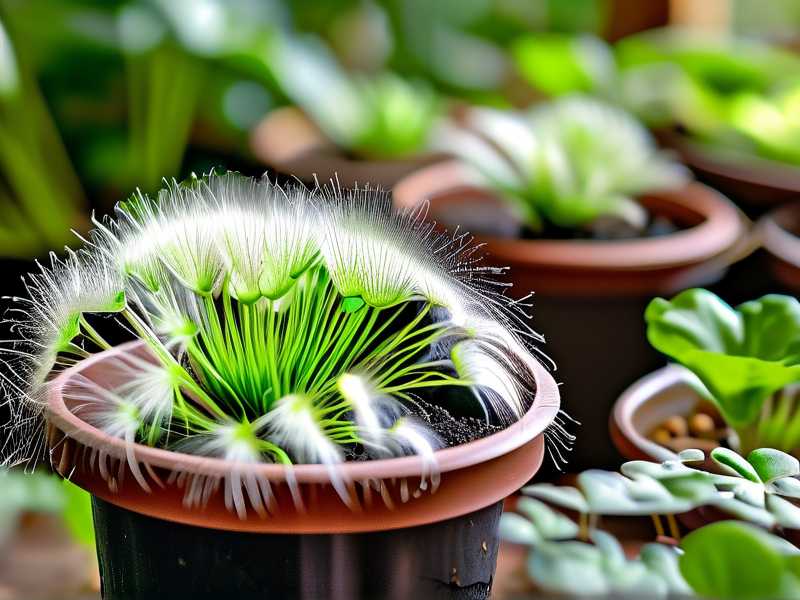
Why Weed Seedlings Appear in Indoor Spider Plant Pots
Before we get into fixes, it helps to understand where these seedlings come from. They don't appear out of thin air.
Most commercial potting mixes are sterilized, but not all of them. Budget mixes sometimes contain compost that wasn't fully heated, which means weed seeds survived the process. I've opened bags that smelled earthy and rich, only to find clover and grass sprouts three weeks later.
There's also the outdoor contamination route. If you use garden soil in your mix, even a small handful, you're basically rolling out a welcome mat for weed seeds. Same goes for reusing old potting soil from plants that sat outside during summer.
And then there's the watering issue. When the soil surface stays moist for days, any dormant seed in the mix gets exactly what it needs to germinate. I used to think I was being a caring plant parent by watering on a schedule. Turns out I was running a greenhouse for weeds.
The 3 Biggest Mistakes New Growers Make
I want to be direct here because these three things caused 90% of my problems.
Mistake #1: Overwatering
This is the big one. You've probably heard it before, but it bears repeating: 90% of indoor plants die from overwatering. Weed seeds love constantly wet soil. So do fungus gnats, by the way. I used to water my spider plant every three days like clockwork. I didn't check the soil. I didn't lift the pot to feel the weight. I just watered because it was Tuesday.
When I finally cut back, the weed seedlings stopped appearing. It was that simple. Not easy, but simple.
Mistake #2: Light Misplacement
Spider plants are forgiving about light, but they're not indifferent. I once put mine in a north-facing window where it got weak, indirect light all day. The soil never dried out properly because the plant wasn't actively growing or using much water. That constant moisture created perfect conditions for surface weeds.
In brighter, filtered light, the plant drinks more and the topsoil dries faster. It's a small thing that makes a big difference.
Mistake #3: Using the Wrong Pot
I'm guilty of this one. I had a gorgeous ceramic pot with no drainage hole. It looked great on my shelf. But without drainage, water pooled at the bottom and kept the entire soil column moist. The surface never dried out.
I switched to a terracotta pot with drainage and a saucer. Terracotta breathes. It wicks moisture away from the soil. The difference was noticeable within a week.
RHS, the UK's leading gardening charity, consistently emphasizes drainage as a foundational element of container plant health. They're not wrong.
What I Did Over Two Weeks to Stop the Weed Seedlings
Here's my actual process. I'm not going to pretend this was some scientific experiment. I just paid attention and made changes.
Day 1-2: I removed the top inch of soil
I used a spoon, actually. Just scooped out the top inch where all the seedlings were sprouting. That removed the existing weed seeds and gave me a clean surface to work with.
Day 3-4: I stopped watering entirely
I know that sounds harsh. But spider plants store water in their roots and thick leaves. They can handle a dry spell. I waited until the top two inches of soil were completely dry before even thinking about water.
Day 5-7: I moved the plant to brighter light
Not direct sun, because spider plants scorch easily. But I moved it to an east-facing window where it got a few hours of gentle morning light. The soil started drying out on a normal schedule instead of staying damp for days.
Day 8-10: I top-dressed with fresh, sterile soil
I added a thin layer of fresh potting mix that I knew was clean. Just half an inch. This covered any remaining seeds and gave the plant a clean surface.
Day 11-14: I watered from the bottom only
This was the game-changer. I started setting the pot in a bowl of water and letting it absorb moisture from below. The surface stayed dry. Weed seeds need surface moisture to germinate. Bottom watering basically starves them.
By the end of two weeks, no new seedlings. The spider plant actually looked healthier too. The leaves were more upright and the color was deeper.
Why Bottom Watering Works So Well
I want to explain this because it changed how I care for all my houseplants.
When you water from the top, the entire soil surface gets wet. Moisture sits there. Seeds germinate. When you water from the bottom, the plant pulls up what it needs, and the surface stays dry. It's not complicated.
The AHS, a trusted gardening authority in the US, recommends bottom watering for many container plants to avoid fungal issues and surface pests. Weed seedlings are basically surface pests when you think about it.
How to Choose the Right Potting Mix
Not all mixes are created equal. I learned this the hard way.
Look for mixes labeled "sterilized" or "soilless." These usually contain peat moss, perlite, and vermiculite. No garden soil. No compost that might harbor seeds.
I've had good luck with mixes that are specifically designed for indoor containers. They drain well and don't hold excess moisture.
If you're mixing your own, avoid using soil from your yard. I know it's tempting because it's free. But you're bringing in weed seeds, insect eggs, and who knows what else. It's not worth it.
Can You Sterilize Potting Mix at Home?
Yes, but it's a bit of a process. You can bake moist potting mix in an oven at 180°F for about 30 minutes. It smells terrible. I tried it once and my kitchen smelled like a wet forest for two days.
The easier approach is to just buy sterile mix. It's not expensive and it saves you the hassle.
If you do want to sterilize, make sure the mix is moist but not soaking wet. Spread it on a baking sheet and cover with foil. Stick a meat thermometer in the middle to check that it reaches 180°F throughout.
Signs Your Spider Plant Soil Is Too Wet
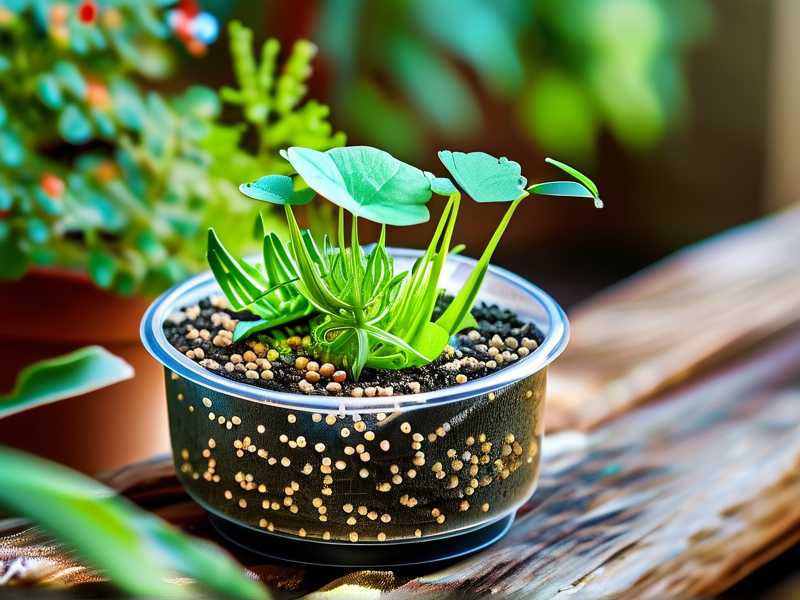
Sometimes we don't realize we're overwatering until it's too late. Here are the signs I learned to watch for:
The soil surface is dark and damp more than two days after watering. There's a green tint on the soil, which means algae is growing. You see tiny flying insects around the pot. The pot feels heavy when you lift it. The leaves start turning yellow or brown at the tips.
If you notice any of these, cut back on watering immediately. Your spider plant will thank you.
What About Mulching the Soil Surface?
I tried this too. A thin layer of decorative stones or coarse sand on top of the soil can help. It blocks light, which weed seeds need to germinate. It also keeps the surface dry.
But don't go overboard. A thick layer of mulch can trap moisture and cause root rot. I use a single layer of small pebbles. Just enough to cover the soil without smothering it.
Does Repotting Help?
If the weed problem is really bad, repotting might be your best bet. I repotted one of my spider plants into fresh sterile mix and a clean pot. I rinsed the roots gently to remove as much old soil as possible.
The plant was stressed for about a week. It drooped. I panicked. But then it perked up and started growing new leaves. No more weeds.
Just make sure you don't repot more often than necessary. Spider plants actually like being slightly root-bound. Repot every two to three years, or when you see roots coming out of the drainage holes.
Long-Term Prevention Habits
Here's what I do now to keep weed seedlings from coming back:
I water from the bottom 90% of the time. I let the top two inches of soil dry out between waterings. I use sterile potting mix and never reuse soil from outdoor plants. I keep the plant in a spot with bright, indirect light. I check the pot's drainage every time I water.
These habits take maybe thirty seconds of extra attention per week. That's nothing compared to the time I spent plucking tiny weeds out of my spider plant's soil.
Common Questions I Get From Other Plant Parents
Can weed seedlings harm my spider plant?
Not directly, most of the time. But they compete for nutrients and water. And they're a clear sign that your soil is too wet, which can lead to root rot. So they're more of a warning sign than a direct threat.
Do I need to throw out the soil if weeds keep coming back?
If you've tried everything and seedlings keep appearing, yes. Dump the soil, wash the pot with hot soapy water, and start fresh. It's frustrating but it works.
Will spider plants survive if I let the soil dry out completely?
They're pretty tough. A short dry period won't kill them. In fact, they prefer it to constantly wet soil. Just don't let them stay bone dry for weeks.
What if the seedlings are actually from my spider plant?
Spider plants produce babies on runners, not seeds in the soil. So if you see tiny sprouts in the soil, they're weeds or grasses, not baby spider plants. Baby spider plants look like miniature versions of the parent, with their own leaves and roots.
Final Thoughts
Weed seedlings in your spider plant's soil aren't a mystery. They're a sign that something in your routine needs adjusting. Fix the watering, fix the light, fix the pot, and the problem usually goes away on its own.
I spent way too long blaming bad luck and bad soil. The truth is, I was creating the perfect environment for weeds to grow. Once I changed my habits, the weeds stopped. My spider plant is thriving now, and I haven't seen a single unwanted sprout in months.
If you're dealing with this right now, start with the top inch of soil and a two-week watering break. You'll be surprised how quickly things turn around.





