 bluename
Office Chlorophytum: Light and Watering Skills for Desktop Placement
Let me cut straight to the chase: if you put your Chlorophytum (spider plant) on a desk with no direct light and water it every 3 days like a schedule, it will die within 2 weeks. I killed my first spider plant that way. Actually, I killed three before I finally understood what it needed. The truth is 90% of indoor plants die from overwatering, and Chlorophytum is no exception.
Here's my real story. I started with a tiny Chlorophytum on my office desk. It looked so innocent. I gave it water every Monday and Thursday. Day by day, the leaves turned yellow. Then brown. By week three, the roots were mush. I learned the hard way: light and watering skills for desktop placement are everything.
So here's the quick answer: place your Chlorophytum 3-5 feet from an east or west window. Water only when the soil feels completely bone-dry at 2 inches deep. Use a pot with drainage holes. That's it. But let me walk you through the full process.
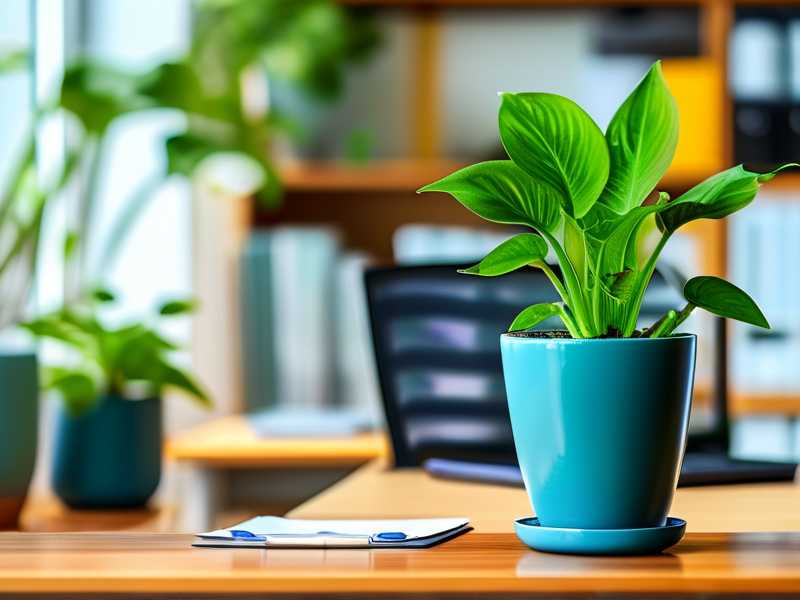
The Top 3 Deadly Mistakes for Beginners
I've made every single mistake in the book. Here they are, blunt and real.
Mistake 1: Overwatering (The #1 Killer)
I used to water my spider plant every 3 days. Why? Because the internet said "keep soil moist." That's the worst advice ever. My plant got root rot. The leaves drooped. I thought it needed more water, so I gave it more. It died faster.
The fix: Check the soil with your finger. Stick it 2 inches down. If it's damp, don't water. I once ignored this for a week. My plant survived because the soil was still slightly moist at 1 inch. I learned: waiting is better than overwatering.
Mistake 2: Wrong Light Placement
I put my Chlorophytum directly under fluorescent office lights. Big mistake. The leaves faded to pale green. New growth was tiny. Then I moved it to a north-facing window sill. Still too dark. The plant stretched toward the light like it was desperate.
The fix: Bright, indirect light is the sweet spot. Think about a spot near an east-facing window or 3-5 feet from a south window. In my office, I place it on a cabinet 4 feet from a west window. The light filters through blinds. My plant now grows tall and dark green.
Mistake 3: Wrong Pot Choice
I bought a cute glazed ceramic pot with no drainage. It looked beautiful on my desk. But water pooled at the bottom. Roots were rotting for weeks before I noticed. The pot had a saucer, but the saucer held water. That's another trap.
The fix: Use a plastic nursery pot with drainage holes. Place it inside a decorative cache pot. This way, you can remove the nursery pot to water and drain. I learned this after killing my second spider plant. Now all my desk plants are in nursery pots.
My Step-by-Step Process: Light and Watering for 2 Weeks
Here's what I actually do. No theory. Just my routine.
Week 1: Setup and First Watering
Day 1: I bring home a new Chlorophytum from the nursery. I check the soil. If it's damp, I don't water. I place it on my desk, 3 feet from an east-facing window. The light is bright but not direct.
Day 4: I check the soil. It's still slightly damp at 1 inch deep. I wait. Many people would water here. I don't.
Day 7: The soil is completely dry at 2 inches. I fill a bowl with room-temperature tap water. Let it sit for 24 hours to remove chlorine. Then I water slowly into the nursery pot until water runs out the drainage holes. I let it drain fully for 30 minutes. Then I return it to the cache pot.
Result after week 1: No change in leaves. No wilting. That's a good sign.
Week 2: Observation and Adjustment
Day 9: I check soil again. Still slightly moist near the bottom. I wait.
Day 14: Soil is dry at 2 inches. I water again using the same method. This time I notice: the leaves are slightly more upright. New growth points appear at the center. The color deepens from pale green to richer green.
My 2-week observation: The plant only needed two waterings in 14 days. Many beginners would water 4-5 times. That's how I killed my first plant. The secret is to wait until the soil is truly dry.
Common Pitfalls I Encountered (and How I Fixed Them)
Pitfall: Yellow Leaves from Overwatering
I noticed one leaf turning yellow near the base. My first thought: "needs more water." But I checked the soil and it was still damp. I stopped watering. After 10 days, the yellow leaf dried up and dropped. The rest stayed healthy.
Lesson: Yellow leaves often mean too much water, not too little.
Pitfall: Brown Tips from Low Humidity
My office has air conditioning. The air is dry. I saw brown tips on 3 leaves. I didn't panic. I filled a shallow tray with pebbles and water. Placed the pot on top (not in the water). The humidity around the plant increased. New leaves grew without brown tips.
Lesson: Brown tips are a humidity issue, not a watering issue in most cases.
Pitfall: Slow Growth from Wrong Light
My first desk placement was in a dark corner. The plant grew maybe 1 inch over 6 weeks. I moved it to a brighter spot near an east window. Within 2 weeks, new leaves emerged. Growth tripled.
Lesson: Light is the fuel for growth. Without enough, your Chlorophytum survives but doesn't thrive.
Light Requirements for Desktop Placement
How Much Light Does a Spider Plant Need?
Let me be specific. According to the gardening experts at RHS, spider plants need moderate to bright indirect light. In my experience, direct morning light is fine for 2-3 hours. But harsh afternoon sun will burn the leaves.
I once placed my plant on a south-facing windowsill for 4 hours. The leaves turned yellow with brown spots. That was sunburn. I moved it back to indirect light. The spots didn't heal but new leaves were fine.
AHS recommends 4-6 hours of bright, indirect light daily. That aligns with what I see. My desk placement gets about 5 hours of filtered light each day. Growth is steady.
Signs of Wrong Light
- Too little light: Leaves stretch toward the source. Color fades to pale green. No new plantlets.
- Too much light: Leaves turn yellow, develop brown patches, or curl at edges.
I had a plant in a north-facing room with no windows. Within 3 weeks, the leaves turned yellow-green. I moved it near a window. It recovered in 2 weeks.
Best Desk Placement Spots
- Near an east-facing window: ideal, morning light is gentle
- 3-5 feet from a south window: bright but not direct
- Under grow lights: work for 10-12 hours daily
- In a cubicle with an LED desk lamp: place lamp 12-18 inches away, set to white light
My setup: On a bookshelf 4 feet from a west window. The blinds are slightly tilted. Light hits the plant for about 4 hours in the afternoon. It dwarfs other plants on the same shelf.
Watering Skills for Desktop Chlorophytum
The Bone-Dry Test
I use my finger. Insert it 2 inches deep. If the soil feels damp, I wait. If it's dry, I water. That's it. I don't use a schedule. The plant tells me when.
I tried using a moisture meter. It broke after a week. Finger trick works better anyway.
Watering Method
- Fill a bowl with tap water. Let it sit for 24 hours.
- Remove the nursery pot from the cache pot.
- Water slowly at the base. Avoid dumping on leaves.
- Keep pouring until water comes out the bottom.
- Let it drain completely for 30 minutes.
- Pour out excess water from the saucer.
- Return the nursery pot to the cache pot.
I once skipped step 6. Water sat in the saucer for 3 days. The lower roots started rotting. I noticed because the root ball smelled bad. I removed the rotted roots, repotted in fresh soil, and reduced watering frequency. The plant survived but lost 30% of its roots.
How Often Should You Water?
It depends on your office environment.
- Dry office (AC running): every 10-14 days
- Humid office: every 2-3 weeks
- Low light desk: every 3 weeks
- Bright desk: every 7-10 days
I water my Chlorophytum about every 12 days. That's in a moderately lit, air-conditioned office. I've marked the calendar only as a reminder to check, not to water.
Signs of Proper Watering
- New leaves emerge healthy, dark green
- Soil dries out within 7-14 days
- No yellowing or drooping
- Roots stay firm and white (not mushy or brown)
If your soil stays wet longer than 3 weeks, you need more light or better drainage. I had a plant in a pot with no drainage. Soil stayed wet for 4 weeks. Roots rotted completely. I discarded the plant.
Real Case Study: How I Saved My Office Spider Plant
I received a Chlorophytum as a gift. It was already overwatered. The soil was soggy. Leaves were limp with yellow tips.
Step 1: I removed the plant from the pot. The soil smelled sour. Roots were brown and slimy.
Step 2: I cut off all rotten roots with clean scissors. I removed 70% of the root mass.
Step 3: I placed the healthy roots in fresh, dry potting mix. I used a mix of regular potting soil and perlite (2:1 ratio) for better drainage.
Step 4: I placed the repotted plant in bright, indirect light. I didn't water for 7 days. Just let the soil dry out.
Step 5: After 7 days, I gave it a deep water. The soil dried out in 9 days. The plant began to show new growth.
Recovery time: 3 weeks. The plant lost 2 lower leaves but produced 4 new ones.
The Role of Humidity
Ideal Humidity for Spider Plants
Chlorophytum prefers 40-60% humidity. Most offices have 20-30% due to AC. That's low. But spider plants are surprisingly tolerant. They won't die, but they'll get brown tips.
My solution: Place a small glass of water next to the plant. Evaporation increases local humidity. Or group plants together. I have three spider plants on a shelf. Their transpiration creates a small humidity microclimate.
Brown Tips: The Common Problem
I used to think brown tips meant a disease. Actually, it's usually humidity or fluoride in tap water.
Solutions I've tried:
- Switching to filtered water: reduced brown tips by 50%
- Misting leaves daily: minor improvement
- Pebble tray: worked best for me
I now use filtered water for all my desk plants. The brown tips decreased significantly.
Container and Potting Mix Recommendations
The Right Pot
- Use a plastic nursery pot with drainage holes. Size: 1-2 inches wider than the root ball.
- Place inside a decorative cache pot for looks.
- Avoid pots with saucers that don't allow drainage.
I made the mistake of using a terracotta pot once. It dried out too fast. I watered more often. The plant got stressed. Plastic pots retain moisture better for office environments.
The Right Potting Mix
- Use a well-draining, indoors potting mix.
- Add perlite or pumice (10-20%) to improve aeration.
- Avoid heavy garden soil. It holds too much water.
My mix: 2 parts peat-based potting soil + 1 part perlite. This dries out within 10-12 days.
Seasonal Adjustments
Winter
- Less light, so water less frequently. I water every 3 weeks.
- Keep away from drafty windows. Cold stress can cause leaf drop.
- Avoid placing near heating vents. Dry heat causes rapid soil drying.
I once placed a plant near a radiator. Soil dried in 5 days. I watered more. Roots got shocked from fluctuating moisture. Leaves curled.
Summer
- More light, so water more often. I water every 7-10 days.
- Rotate the pot twice a week for even growth. I use a lazy Susan for easy rotation.
- Provide moderate shade if light becomes too intense.
Pro Tips from Experience
Propagating Spider Plants
After 6 months, my plant produced babies (plantlets). I gently removed them and rooted in water. Took 3 weeks for roots to appear. Then I planted in soil. Now I have 4 spider plants on my desk. They all thrive.
Using Grow Lights
If you have a windowless office, use a small LED grow light. I tried this. Set it 12 inches above the plant. Run for 12 hours daily. The plant grew just as well as one by a window. No stunting.
Fertilizing
I fertilize only once every 3 months. In spring and summer. I use a balanced liquid fertilizer at half strength. More than that causes salt buildup. Leaves turn yellow. I've done this. Took 2 months to recover.
Frequently Asked Questions
Why are my spider plant's leaves turning yellow?
Overwatering is the most common cause. Check your watering frequency. Also, yellow leaves can mean too much light or fertilizer imbalance. In my experience, it's overwatering 90% of the time. Let the soil dry out more. Reduce watering.
Can spider plants survive under fluorescent office lights?
Yes, but they need close proximity (6-12 inches). I've tried this. Growth is slower than by a window. For healthier growth, supplement with a small LED grow light. New leaves will be smaller and paler under fluorescent alone.
How to fix brown leaf tips?
Switch to filtered water. Increase humidity via a pebble tray or grouping plants. Check for signs of salt buildup from fertilizers. Flush the soil every 2 months by watering deeply and allowing water to drain completely.
Final Thoughts
I killed three spider plants before learning these lessons. Light and watering skills for desktop placement are simple but easy to get wrong. Do the finger test. Place near a window. Use drainage pots. Wait 2 weeks before expecting changes. Trust me, your Chlorophytum will reward you with lush, healthy growth. Just give it what it needs.
Now I have a desk full of spider plants. They thrive. My colleagues ask how I do it. I tell them: wait and see. It's counterintuitive, but minimal care is often the best.





