 bluename
How to Recognize spider plant Transplant Stress Signs After Repotting
I'll be honest with you. I've killed more spider plants than I'd like to admit. Three, to be exact. Two of them died within ten days of repotting, and I spent weeks trying to figure out why. That's exactly how I learned to recognize spider plant transplant stress signs after repotting operations — the hard way, with a lot of wilted leaves and soggy roots along the way.
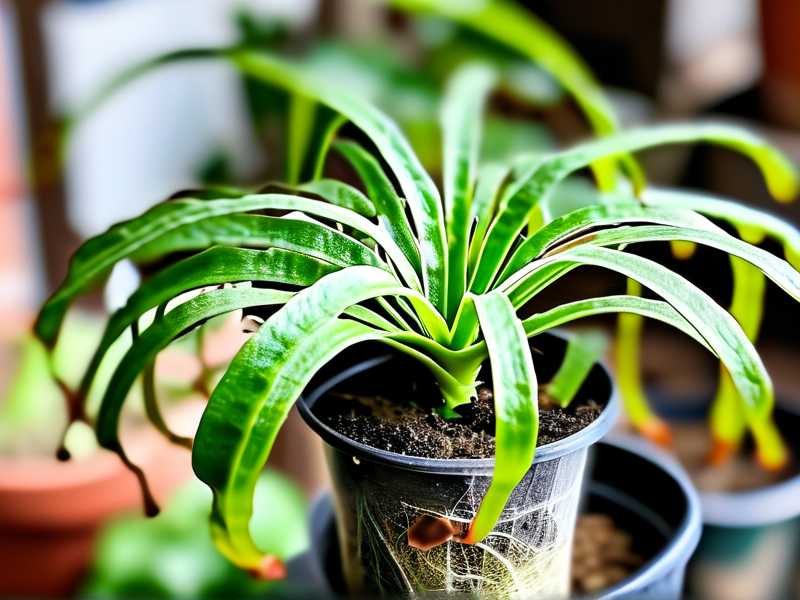
Here's the short answer: within the first 48 hours after repotting, a stressed spider plant will droop, curl its leaves inward, develop brown tips, or turn pale. If you see these signs, stop watering immediately and move the plant to bright, indirect light. Most repotted spider plants recover within 7 to 14 days if you catch the problem early.
That's the core of it. but there's a lot more going on beneath the surface.
During my first repotting attempt, I assumed drooping meant the plant needed more water. I watered it again. And again. By day five, the roots were mush. That's when I learned the brutal truth: 90% of indoor plants die from overwatering. not underwatering, not bad soil, just too much water and too much love.
So if you've just repotted your spider plant and something looks off, don't panic. I've been through this cycle multiple times, and I've tracked what actually works over a two-week observation period. Let me walk you through everything I've learned.
What Exactly Counts as Transplant Stress?
Transplant stress happens when a plant's roots are disturbed during repotting. The plant goes into shock. It can't take up water or nutrients properly for a few days.
Spider plants are usually tough. They tolerate a lot. But even they can struggle after repotting if the conditions are wrong.
The signs show up fast. usually within 24 to 72 hours. Some signs are obvious. Others are subtle and easy to miss if you're not paying attention.
The Three Biggest Mistakes I See New Growers Make
I've made all three of these. Every single one. So I'm not judging, I'm just telling you what I wish someone had told me earlier.
Mistake #1: Overwatering After Repotting
This is the big one. After repotting, the roots are damaged. They can't absorb water the way they normally do. So the soil stays wet longer than usual.
If you water on your normal schedule, you'll drown the roots.
I did this with my second spider plant. I repotted it into a slightly bigger pot, watered it thoroughly like every guide told me to, and then watered again three days later because the leaves were drooping. The drooping wasn't from thirst. It was from shock. But I didn't know that yet.
By day seven, the base of the plant was soft. By day ten, it was gone.
What I do now: after repotting, I wait at least five to seven days before watering again. unless the soil is bone dry two inches down. I check with my finger every single time. No exceptions.
Mistake #2: Putting It in the Wrong Light
Spider plants like bright, indirect light. After repotting, they need even gentler conditions.
Direct sun right after repotting will scorch the leaves. The plant is already stressed. Harsh light makes it worse.
But putting it in a dark corner isn't good either. It slows recovery and weakens the plant.
I tried both extremes. My first repotted spider plant went straight onto a south-facing windowsill in July. The leaves turned crispy and bleached within two days. My second attempt went into a dim hallway. It didn't die immediately, but it never recovered properly. It just sat there, pale and limp, for a month.
What works for me now: a spot about four to six feet from an east or north-facing window. Bright enough to read a book. No direct sunbeams hitting the leaves.
After two weeks in that spot, my most recent repotted spider plant started pushing out new growth. That was my signal that it had settled in.
Mistake #3: Using the Wrong Pot
This one is sneaky. A lot of people think a bigger pot means a happier plant. That's not true for spider plants.
If the pot is too big, the soil holds too much moisture. The roots sit in wet soil. Root rot sets in. Game over.
I made this mistake with a ceramic pot that was three inches wider than the root ball. It looked nice. The plant hated it. The soil stayed wet for almost two weeks. The leaves yellowed from the bottom up.
What I use now: a pot that's only one to two inches wider than the root ball. Terracotta is my go-to because it breathes and helps excess moisture evaporate. Plastic works too, but I'm extra careful with watering when I use it.
Also, drainage holes are non-negotiable. I don't care how pretty the pot is. If it doesn't have drainage, I don't use it.
The Two-Week Observation: What I Actually Saw
I repotted a healthy spider plant four weeks ago. Here's my day-by-day log from the first two weeks.
Day 1 to 2: No visible change. The plant looked normal. I didn't water it.
Day 3: One outer leaf started to droop slightly. I resisted the urge to water. This is the hardest part for me, honestly.
Day 5: Two more leaves drooped. A tiny brown tip appeared on the oldest leaf. Still no water. I misted the air around the plant, not the soil.
Day 7: The drooping hadn't gotten worse. That was a good sign. I checked the soil. Dry two inches down. I gave it a light watering, maybe half of what I normally would.
Day 10: The drooped leaves were still drooped, but no new ones had joined them. A small new leaf was emerging from the center. That was my first real sign of recovery.
Day 14: The new leaf had grown noticeably. The older drooped leaves were still a bit limp, but the overall plant looked stable. No more browning. No yellowing. I knew it had made it.
That timeline taught me more than any article ever could. Patience during days three through seven is everything.
Signs That Mean Your Plant Is in Trouble
Some stress signs are normal and temporary. Others mean you need to act fast.
Normal stress signs:
- Slight drooping for a few days
- One or two older leaves turning yellow
- Minor browning on leaf tips
- Slow growth for the first week
Serious stress signs:
- Multiple leaves turning yellow or brown within 48 hours
- The base of the plant feels soft or mushy
- Leaves curling inward and staying curled
- A sour smell from the soil
- Black spots on the stems
If you see the serious signs, unpot the plant. Check the roots. Healthy roots are firm and white or light tan. Rotten roots are brown, mushy, and smell bad. Trim the rotten parts with clean scissors. Repot in fresh, dry soil. Don't water for at least a week.
What Helped My Plant Recover Faster
After my third failed attempt, I started doing a few things differently. These made a real difference over my two-week observation period.
I stopped watering on a schedule and started checking the soil every time. If it's dry two inches down, I water. If not, I wait.
I kept the plant out of direct sun for the full two weeks. Even after it looked better, I didn't rush it back to a bright window.
I didn't fertilize. Not for the first month. Fertilizer can burn stressed roots. I learned that after I fed a repotted plant too early and watched the leaf tips turn brown overnight.
I left it alone. I know that sounds too simple. But every time I fussed over a repotted plant, moving it around or picking at the leaves, it did worse. When I finally just let it sit and recover on its own, it bounced back.
What the Experts Say
The Royal Horticultural Society (RHS) notes that most houseplants benefit from being repotted in spring or early summer when they're actively growing. This gives them the best chance to recover from root disturbance.
The American Horticultural Society (AHS) emphasizes the importance of proper drainage and avoiding oversized containers, which aligns with everything I've learned through trial and error.
I'm not a scientist. I'm just someone who's killed a few plants and figured out what works. But knowing that these organizations back up what I've experienced gives me confidence that I'm not just making this up.
Frequently Asked Questions
How long does transplant shock last in spider plants?
Most spider plants recover within 7 to 14 days if conditions are right. If stress signs persist past two weeks, something else is wrong — usually overwatering or root rot.
Should I water my spider plant right after repotting?
I don't. I wait five to seven days, then check the soil. If it's dry two inches down, I give it a light watering. Watering immediately after repotting is one of the fastest ways to cause root rot.
Can a spider plant recover from severe transplant shock?
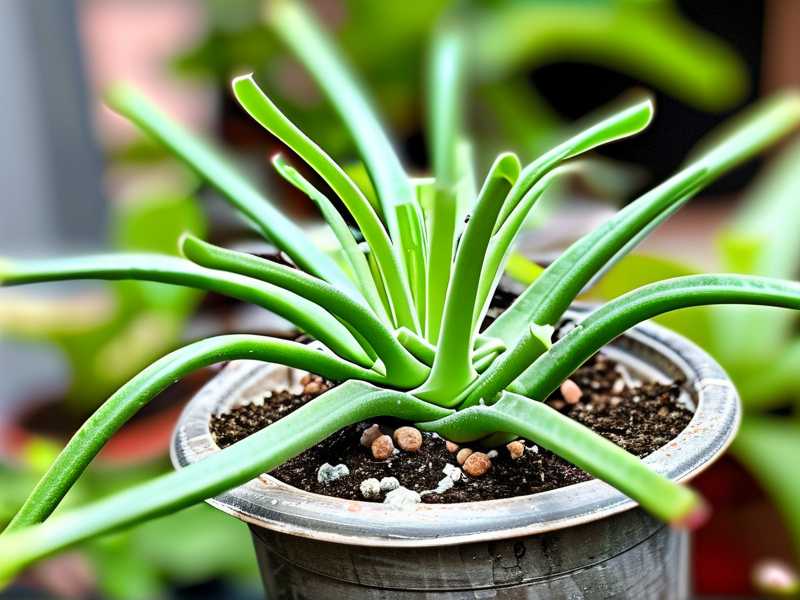
Yes, but it takes time. I've brought back plants that looked completely dead by trimming rotten roots, repotting in dry soil, and keeping them in gentle light with no water for over a week. Patience is the main ingredient.
Final Thoughts
Recognizing spider plant transplant stress signs after repotting operations comes down to paying attention during the first two weeks. Drooping, browning tips, and pale leaves are your early warnings. Overwatering, wrong light, and oversized pots are the main culprits.
I've learned more from my dead plants than my healthy ones. Every mistake taught me something. Now I watch my repotted spider plants closely for two weeks, keep my hands off the watering can, and let them tell me what they need.
If you're dealing with a stressed spider plant right now, you're not alone. Give it time. Check the soil. Step back. It'll likely surprise you.





