 bluename
How to Avoid Extreme Fertilizer Dilution Errors When Feeding spider plants
Spider plants are forgiving. That's probably why so many of us start with them.
But forgiving doesn't mean indestructible.
If you've ever mixed fertilizer "by eye" and watched your spider plant's leaf tips turn crispy brown, you're in the right place. I've done it. More than once.
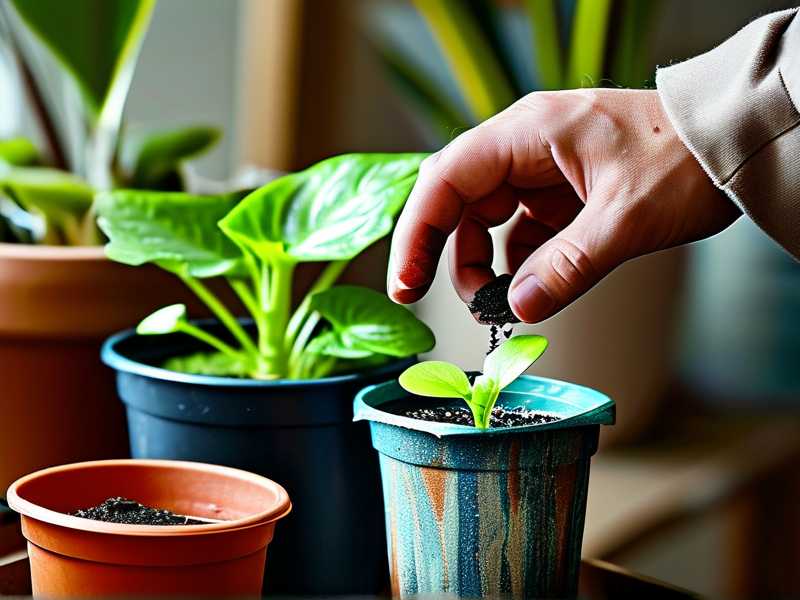
Here's the short answer: never fertilize a dry spider plant, always dilute to half or quarter strength, and feed only during active growth in spring and summer. Most fertilizer damage comes from mixing too strong, feeding too often, or pouring it onto bone-dry soil. Get those three things right and your plant will thrive.
The technical term for the damage is fertilizer burn, sometimes called salt burn. It happens when dissolved mineral salts build up faster than the plant can use them.
Why Spider Plants Are Easy to Overfeed
Spider plants (Chlorophytum comosum) are light feeders. In their native South Africa, they grow in poor, sandy soil under tree canopy. Nobody's out there with a jug of Miracle-Gro.
The RHS notes that most houseplants need far less feeding than new growers assume. The AHS makes a similar point in its houseplant guides.
I killed my second spider plant this way. I figured more food meant more babies. It doesn't work like that.
Overfeeding pushes salt into the soil faster than the roots can absorb it. Those salts pull water out of the root cells. The plant basically dehydrates while sitting in damp soil. Sounds backwards, I know, but that's how it works.
The 3 Biggest Mistakes New Growers Make
I've made all three. Let me save you the trouble.
Mistake 1: Watering Overload (Yes, This Includes Fertilizer Water)
90% of indoor plants die from overwatering.
That's not a scare statistic. It's what every extension office and plant clinic will tell you.
I used to think fertilizer was separate from watering. It isn't. Every time you feed, you're adding moisture too. Feed a plant that's already soggy and you've created root rot conditions plus salt buildup. Double damage.
My worst case: a variegated spider plant in a glazed ceramic pot with no drainage hole. I fed it weekly. Three weeks later the center turned mushy. I pulled it out and the roots were brown and smelled like a swamp.
Fix: Only feed when the top inch of soil is dry. If you just watered yesterday, wait. And never fertilize a plant sitting in standing water.
Mistake 2: Light Mismatch
A spider plant in a dark corner doesn't need the same food as one in a bright window.
I learned this the hard way. I had two spider plants from the same mother. One lived on a south-facing sill, the other on a bookshelf. I fed them the same schedule.
The bright one grew fine. The dark one refused to grow and its leaf tips went brown at the same time. The fertilizer wasn't being used, so salts just sat there in the soil.
Fix: Match feeding to light. Bright, indirect light means you can feed monthly at quarter strength. Low light means feed every 6-8 weeks at most, or not at all during winter.
Mistake 3: Wrong Pot
Terra cotta dries out fast. Glazed ceramic and plastic hold moisture.
I once repotted a spider plant into a plastic pot that was way too big. The soil stayed wet for weeks. I fed it anyway.
You can guess what happened.
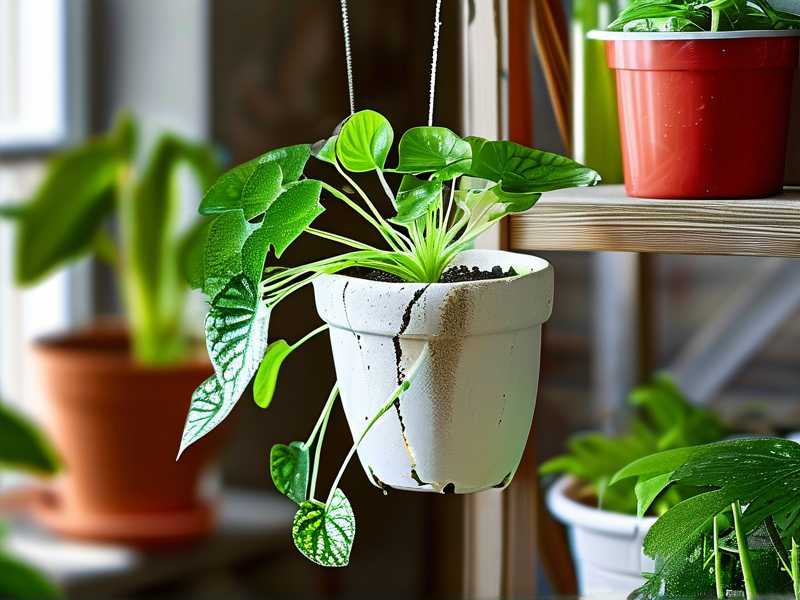
Fix: Use a pot with drainage holes that's only slightly bigger than the root ball. If your soil stays damp for more than 10 days after watering, skip the fertilizer that month. The plant isn't drinking fast enough to use it.
My 2-Week Test: Watching What Actually Happens
I ran a simple side-by-side test with two pups from the same mother plant.
Plant A: Quarter-strength liquid fertilizer, once every 2 weeks, water first, bright indirect light. Plant B: Full-strength fertilizer, once a week, dry soil, medium light.
Day 1: No visible difference.
Day 4: Plant B's leaf tips started going pale. I thought I was imagining it.
Day 7: Plant B had brown tips on three leaves. Plant A looked completely normal. New growth on A was a slightly deeper green.
Day 10: Plant B's soil had a white crusty film on top. That's salt. I flushed the pot with plain water three times.
Day 14: Plant A put out a tiny new leaf. Plant B was alive but stalled, and two more tips had browned.
That test changed how I feed everything. Dilution isn't optional. It's the whole game.
How to Dilute Fertilizer the Right Way
Here's my actual routine.
I use a liquid houseplant fertilizer with an NPK ratio around 3-1-2 or 10-10-10. The exact ratio matters less than the strength.
For spider plants, I mix at quarter strength most of the year. That means if the label says 1 teaspoon per gallon, I use 1/4 teaspoon. If it says 1 capful per quart, I use a quarter capful.
I mix it in a separate jug. Never directly in the watering can where I can't see the ratio.
I water the plant with plain water first. Just a little. This moistens the roots so the fertilizer doesn't hit dry tissue.
Then I pour the diluted mix around the edge of the pot, not right at the base. This pulls roots outward and avoids stem rot.
I stop when a little runs out the drainage hole. Then I empty the saucer. No sitting in runoff.
What About Slow-Release Granules?
I tried those once. It felt easier, just sprinkle and forget.
The problem: you can't control the release rate. If the plant is in low light and not growing, those granules keep feeding salts into the soil anyway.
I ended up flushing the pot every two weeks for a month just to prevent burn. Not worth it for spider plants. Liquid gives me full control.
When to Stop Feeding Entirely
Spider plants slow way down in winter. Most homes drop below 65°F near windows. Light is weaker.
From October through February, I stop fertilizing completely. No exceptions.
I also stop if:
- The plant is newly repotted (wait 6-8 weeks; fresh soil has nutrients)
- The plant is sick or dropping leaves
- The soil smells sour or has mold
- Leaf tips are already brown and crispy (that's often salt damage, not hunger)
What Brown Tips Actually Mean
New growers see brown tips and reach for fertilizer. That's usually wrong.
Brown tips on spider plants typically mean:
- Fluoride or chlorine in tap water
- Low humidity
- Salt buildup from overfeeding
- Inconsistent watering
I switched to filtered water and cut my feeding to once a month at quarter strength. New leaves stopped browning within three weeks. The old brown tips stayed, but I just trim them at an angle with clean scissors.
Don't cut into the healthy green part. Leave a tiny bit of brown. It looks more natural.
My Current Feeding Schedule
Spring and summer: quarter-strength liquid fertilizer every 2-3 weeks.
Fall: once a month, half the amount I use in summer.
Winter: nothing.
I always water first. I always mix in a separate container. I always check that the pot has drainage.
That's it. No magic. No special brand.
3 Common Questions
Can I use fertilizer spikes instead of liquid?
You can, but I don't recommend it for spider plants. Spikes release unevenly and are hard to remove if you see burn. Liquid gives you control.
My spider plant has never been fertilized and looks fine. Should I start?
If it's growing well and producing babies, leave it alone. Spider plants don't need much. If growth stalls in spring or summer, try one quarter-strength feeding and wait two weeks to see how it responds.
What if I already overfed and the tips are brown?
Flush the soil with plain water three times the pot's volume. Let it drain completely. Skip fertilizer for at least 6 weeks. Trim the dead tips. New growth should come in clean.
Feeding spider plants isn't complicated. It's just easy to rush. Mix weak, water first, and stop in winter. Your plant will tell you it's happy with new pups and clean leaf tips.





