bluename
How to Encourage spider plant Flowering Inside Shaded Outdoor Patio Zones
If your spider plant lives on a shaded patio and has never flowered, you're not doing anything wrong—yet. The honest answer is this: spider plants flower when they get bright indirect light, a snug pot, cool night temperatures, and a break from constant watering. That's it. No secret fertilizer. No magic trick. My shaded patio spider plant didn't bloom for two years until I fixed those four things, and then it sent up three flower stalks in a single summer.
I've killed more spider plants than I care to admit. The first one drowned in a self-watering pot. The second baked on a west-facing balcony. The third sat in a giant ceramic planter and just grew leaves forever, never a single bloom. After roughly six years of trial and error—plus a lot of reading from the Royal Horticultural Society and the American Horticultural Society—I finally cracked the code. This guide is everything I learned, written for real people with real shaded patios in the US, Canada, the UK, and Australia.

Why Your Shaded Patio Spider Plant Isn't Flowering
Most people assume shade means "no light needed." That's the first trap.
Spider plants (Chlorophytum comosum) are understory plants native to South Africa. They evolved under tree canopies—dappled light, not deep cave darkness. On a shaded patio, "shade" can mean anything from bright filtered light to a gloomy corner that never sees sky.
If your patio gets less than two hours of indirect brightness, flowering is basically off the table.
I learned this the hard way. My north-facing patio in Vancouver was technically "shaded," but it was also dim. My spider plant stayed alive but stayed green and boring. When I moved it to a spot that caught reflected light off a white wall, everything changed.
Three Mistakes That Kill Spider Plant Flowering
I want to be blunt here, because I made all three.
Mistake #1: Overwatering
Here's a stat worth tattooing on your watering can: 90% of indoor plants die from overwatering. Spider plants are not swamp plants. They store water in those fleshy roots.
On a shaded patio, evaporation is slow. Soil stays wet for days. If you water on a fixed schedule, you're drowning the roots.
I used to water every Sunday "just to be safe." My plant's leaf tips turned brown and crispy, which I mistook for dryness. So I watered more. It rotted.
The fix: water only when the top 2–3 cm (about an inch) of soil feels dry. In shade, that might mean every 10–14 days in cooler months.
Mistake #2: Light Misplacement
Shade doesn't mean darkness. It means no harsh direct sun.
Spider plants want bright, indirect light. On a patio, that usually means:
- Under a translucent roof or awning
- Near a white wall that bounces light
- Behind a slatted screen or lattice
I once put mine deep under a covered pergola. Six months, zero growth. I moved it two feet toward the open edge, and new leaves started within two weeks.
Mistake #3: Wrong Pot Size
This is the sneaky one.
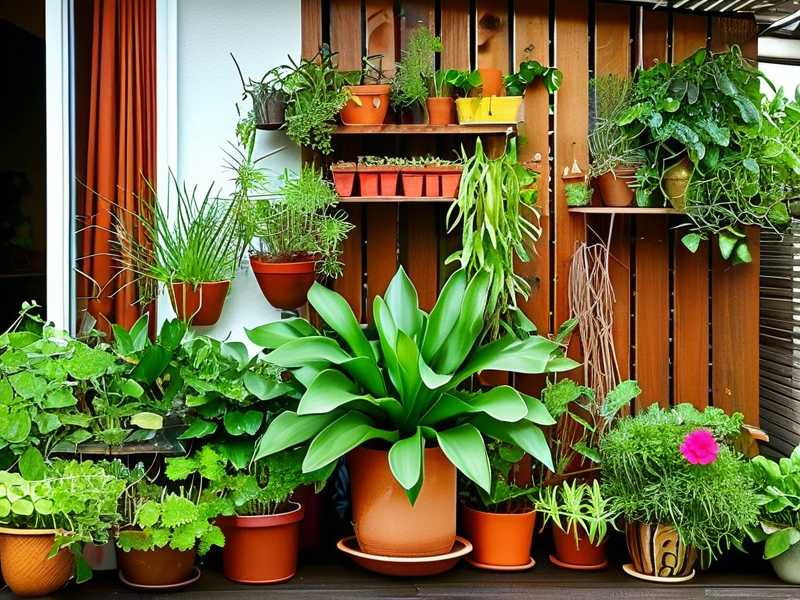
Spider plants flower when they feel slightly root-bound. A too-large pot gives roots endless room to spread, and the plant puts all energy into leaves—not flowers.
I had mine in a 12-inch pot for two years. Nothing. I downsized to an 8-inch pot with drainage holes, and within a month I saw the first tiny buds.
Rule of thumb: roots should be snug, but not crammed. If you can lift the plant and see a tight root ball, you're in the zone.
My 2-Week Observation: What Actually Changed
Let me walk you through exactly what I did.
Week 1
I moved the plant to the brightest shaded spot on my patio—filtered light all day, no direct sun. I stopped watering on schedule and started checking soil moisture with my finger. I didn't fertilize yet.
By day 5, I noticed new leaf growth in the center. Small, but visible.
Week 2
I added a diluted liquid fertilizer (half-strength, balanced formula) once. I also started leaving the plant outside overnight, since early autumn temps dropped to around 13°C (55°F).
By day 10, I spotted a thin green stalk emerging from the base. That's the beginning of a flower spike.
By day 14, the stalk had lengthened and tiny white buds were forming.
Was it dramatic? No. But it was real, and it happened after two years of nothing.
What the Experts Say
The RHS notes that Chlorophytum comosum flowers best when given bright but indirect light and allowed to become slightly pot-bound. They also emphasize avoiding waterlogged compost—especially in cooler, shaded conditions.
The AHS echoes this, pointing out that many tropical houseplants flower in response to mild stress—root restriction, cooler nights, or a dry spell. It's not cruelty. It's a trigger.
I've found this true across the board. My peace lily flowered after I stopped babying it. My Christmas cactus bloomed when I ignored it in autumn.
The Lesson: Stop Trying So Hard
Here's the practical routine that worked for me on a shaded patio.
- Light: Bright indirect all day. No deep shade. Reflected light counts.
- Water: Only when top inch of soil is dry. Less in shade, more in heat.
- Pot: Slightly snug. Drainage holes mandatory.
- Temperature: Cool nights (10–15°C / 50–59°F) in late summer and autumn help trigger flowering.
- Fertilizer: Half-strength, once a month during growing season. Don't overdo it.
One more thing: don't repot just because you think you should. I repotted mine every spring for three years and never got a flower. The year I skipped repotting, I got two stalks.
What About Hanging Baskets?
Spider plants look great in hanging baskets, and they flower fine in them—as long as the basket isn't too big and the light is right.
I use a 10-inch basket with a coconut coir liner. It dries out faster than plastic, which actually helps prevent overwatering in shaded, humid conditions.
Just check moisture every few days in summer. Hanging baskets dry out unevenly.
Common Questions I Get From Readers
"My spider plant has babies but no flowers. Is that normal?"
Yes. Babies (plantlets) often form without visible flowers, especially in low light. If you want actual blooms, increase indirect light and let the plant get slightly root-bound.
"Can I force flowering with fertilizer?"
No. Too much fertilizer—especially nitrogen-heavy formulas—produces leaves, not flowers. I tried this. I got a giant leafy plant and zero blooms. Stick to diluted balanced fertilizer, and don't feed in winter.
"My patio is fully shaded all day. Can I still get flowers?"
Probably not. Spider plants need some brightness to flower. If your patio is truly dark, consider a grow light or move the plant to a brighter shaded spot—even a few hours of filtered light makes a difference.
Final Thoughts From Someone Who's Killed a Few
I'm not a botanist. I'm a person with a small patio, a watering can, and a stubborn love for spider plants.
The year I stopped overwatering, stopped upsizing pots, and stopped treating shade like a cave—that's the year I got flowers.
If you're in the US, Canada, UK, or Australia, your climate changes the timing, but not the rules. Cool nights, bright shade, snug roots, and restraint.
Give it two weeks after making these changes. Watch for a thin stalk. That's your sign.
And if nothing happens? Wait another month. Plants don't read calendars. But they do respond to the right conditions—eventually.