 bluename
How to Arrange spider plant Displays to Capture Gentle Morning East Sunlight
If your spider plant looks pale, leggy, or just sort of sad, the fix is usually simpler than you think. I've killed more spider plants than I'd like to admit, and almost every single one died from the same two things: too much water and light that hit the wrong spot. Here's the short answer up front. Put your spider plant where it gets two to four hours of soft, direct morning light from an east-facing window, then pull it back about two to three feet so the leaves glow without scorching. That's the sweet spot, and it took me a long time to find it.
I want to walk you through exactly how I arrange my spider plant displays now, what I got wrong along the way, and what I saw happen over a full two weeks of watching them closely. If you're in the US, Canada, the UK, or Australia and you're dealing with a fussy spider plant, this is for you.
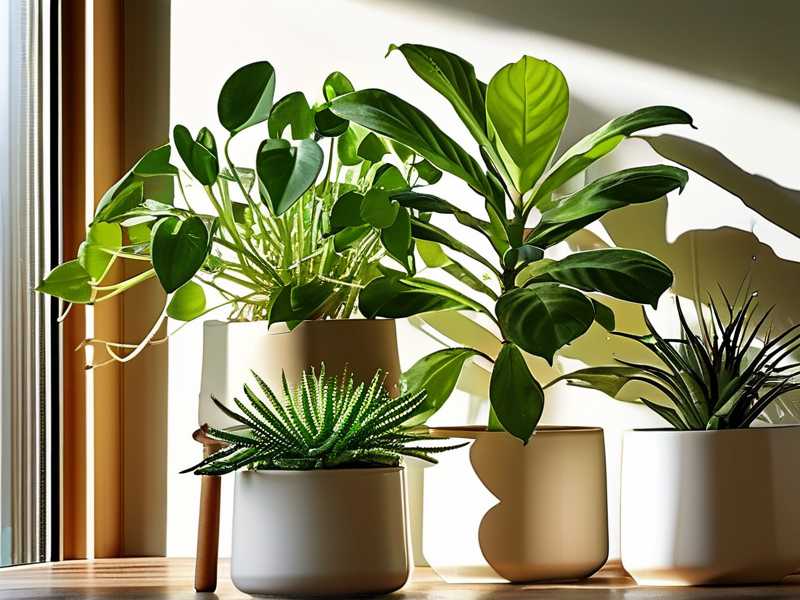
Why East Light Is Basically Perfect for Spider Plants
Morning east sunlight is gentle. It's not the harsh, baking afternoon sun that comes from a west or south window in summer. Spider plants come from the understory of South African forests, so they evolved under dappled light and filtered shade.
The RHS notes that spider plants do best in bright, indirect light but tolerate some direct morning sun. That matches what I've seen with my own eyes.
East light gives you a few things at once. It's bright enough to keep the leaves striped and vivid. It's soft enough that the tips don't crisp up. And because it's only strong in the morning, it works even in hot climates where midday sun is brutal.
I tried keeping one spider plant in a south window once. Big mistake. By week two, the leaf tips were brown and crunchy, and the whole plant looked washed out. That was the third spider plant I lost, and it finally taught me to respect the direction of the sun.
The 2-Week Setup I Actually Ran
Here's what I did. I picked three spider plants of similar size and placed them at different distances from an east-facing window.
Plant A sat right on the sill, about six inches from the glass. Plant B went on a small side table roughly two feet back. Plant C went about four feet back on a bookshelf.
I checked them every morning for two weeks and rotated each pot a quarter turn every few days so all sides got even light.
By the end of week one, Plant A had the brightest color but the leaves felt a little warm to the touch by mid-morning. Plant B looked the happiest, with new baby offsets starting to form. Plant C was fine but growing slowly and leaning hard toward the window.
By week two, the difference was obvious. Plant B was the clear winner. That two-foot distance gave it strong light without the heat stress. If you only remember one number from this whole article, make it that two-foot rule.
The Three Mistakes That Kill Most Spider Plants
I've made all three of these. More than once, honestly. Let me save you the trouble.
1. Overwatering
This is the big one. I cannot stress it enough: 90% of indoor plants die from overwatering. Spider plants are not an exception. Their thick, fleshy roots store water, so they'd rather be a little dry than soaked.
The AHS points out that overwatering causes root rot, which shows up as yellowing leaves and mushy stems. I ignored those signs for weeks on my second spider plant because I thought yellow meant "needs more water." It needed less.
Wait until the top inch or two of soil feels dry. Then water thoroughly and let it drain. That's it.
2. Light in the Wrong Spot
Putting a spider plant in deep shade makes it leggy and dull. Putting it in harsh afternoon sun burns it. Both are light problems, just at opposite ends.
The trick is matching your plant to the light you actually have, not the light you wish you had. East light is forgiving, so lean into it.
3. Using the Wrong Pot
This one sneaks up on people. A pot with no drainage holes traps water at the bottom. A pot that's way too big holds moisture around the roots for too long.
I once planted a small spider plant in a huge decorative pot because it looked nice. The soil stayed wet for over a week, and the roots started rotting within a month. Now I always use a pot that's just one or two inches wider than the root ball, and I make sure it has drainage holes. If you love a cachepot, keep the plant in a smaller nursery pot inside it.
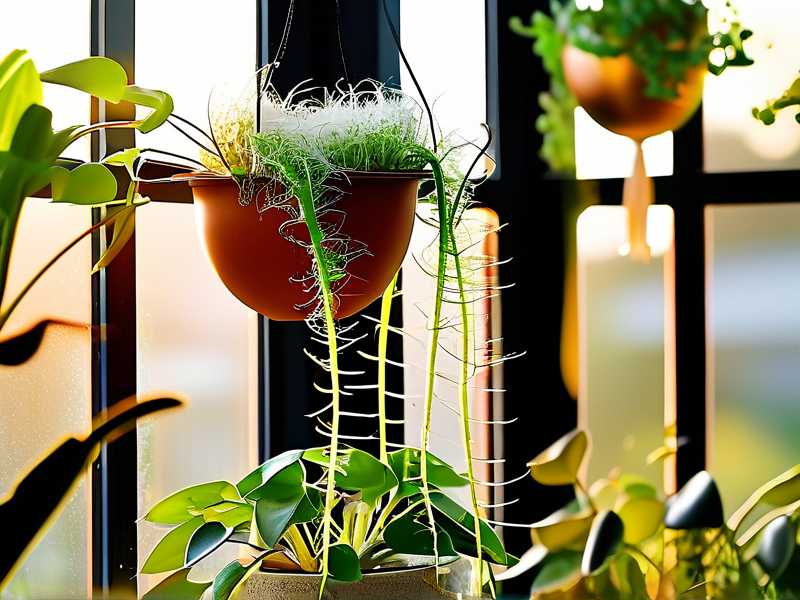
How to Actually Arrange Your Display
Let's get practical. Once you understand the light and the watering, arranging becomes fun.
Use Shelves and Plant Stands
A tiered plant stand near an east window is almost cheating. The higher shelves catch the most morning light, while the lower ones get soft, indirect glow. I put my thirstiest, brightest plants up top and shade-lovers down below.
You can also use floating shelves. Just leave a little breathing room between plants so air moves and leaves don't crowd each other.
Hang Them Where the Light Falls
Spider plants look gorgeous in hanging baskets, and east light is ideal for this. Hang the basket so the top of the plant catches the morning sun but sits back from the glass.
I hang mine about six to eight inches from the window, with the rim of the basket roughly at eye level. That way the trailing babies get soft light and I can see them from my kitchen table. It's a small thing, but it makes the display feel intentional.
Group for a Softer Light Effect
Grouping plants together does two useful things. It raises humidity slightly around them, and it creates a little canopy that dapples the light.
I cluster my spider plants with a couple of pothos and a peace lily near my east window. The taller plants soften the light for the shorter ones. Everyone seems happier.
Rotate Every Few Days
This is easy to forget. Without rotation, one side of the plant gets all the light and the other side stretches and leans. Give each pot a quarter turn every three or four days. Your plant will stay symmetrical and full.
Matching the Right Spider Plant to the Right Spot
Not every spider plant looks the same, and that can help you plan a display.
The classic variegated kind, with white edges or a white center stripe, needs a bit more light to keep its markings bold. The all-green varieties are more forgiving and can handle lower light.
If you have a variegated plant that's losing its stripes, it's usually telling you it wants more light. Move it closer to the east window and watch what happens over the next couple of weeks.
Watering and Light Work Together
Here's something a lot of people miss. Light affects how much you should water.
A spider plant in bright east light uses water faster than one in a dim corner. So if you move a plant into better light, check the soil more often for the first week or two.
My rule is simple. I stick my finger into the soil. If it's dry down to the second knuckle, I water. If it's still damp, I wait. This has saved me from killing more plants than any fancy gadget ever did.
Small Touches That Make a Big Difference
A few little habits keep my displays looking good year round.
Trim brown tips with clean scissors, following the natural curve of the leaf. It keeps the plant tidy without much effort.
Wipe the leaves every couple of weeks with a damp cloth. Dust blocks light, and a clean leaf catches that east sun so much better.
Feed lightly in spring and summer. I use a diluted liquid fertilizer about once a month. In fall and winter, I back off to almost nothing.
Frequently Asked Questions
Can spider plants survive in a north-facing window?
They can survive, but they usually grow slowly and lose some of their color. If north is all you have, put the plant as close to the window as you can and consider a small grow light for winter. East is still better if you have the option.
How do I know if my spider plant is getting too much light?
Look for brown, crispy leaf tips and pale, washed-out leaves. If the leaves feel hot to the touch by mid-morning, the plant is too close to the glass. Move it back a foot or two and the new growth should come in healthier.
Why is my spider plant not making babies?
Offsets, or "pups," usually appear when the plant is mature and getting steady, bright light. If yours isn't producing any, it might be too dark or too young. Give it more east light and a little patience. Mine started producing pups about three weeks after I moved them into better light.
A Quick Final Word
Honestly, spider plants are some of the most forgiving houseplants out there once you get the basics right. The magic is in the placement. Give them gentle morning east light, keep them a couple of feet back, skip the overwatering, and choose a pot with drainage. Do those things, and you'll watch a tired plant turn into a lush, trailing centerpiece within just a couple of weeks. I've seen it happen with my own plants, and it never gets old.





