 bluename
How to Reuse Old Window Blinds as Temporary Shade for Outdoor spider plants
I have killed more spider plants than I care to admit. Not because they are difficult, but because I kept doing the same three things wrong: I watered them like they were thirsty ferns, I put them in spots that made zero sense for their actual light needs, and I reused whatever cracked plastic pot was sitting in my garage.
So when I decided to move my spider plants outside for the warmer months, I knew I needed shade. Not permanent shade. Just enough to keep them from frying in the afternoon sun. And I did not want to buy another piece of gardening gear that would sit in my shed rusting.
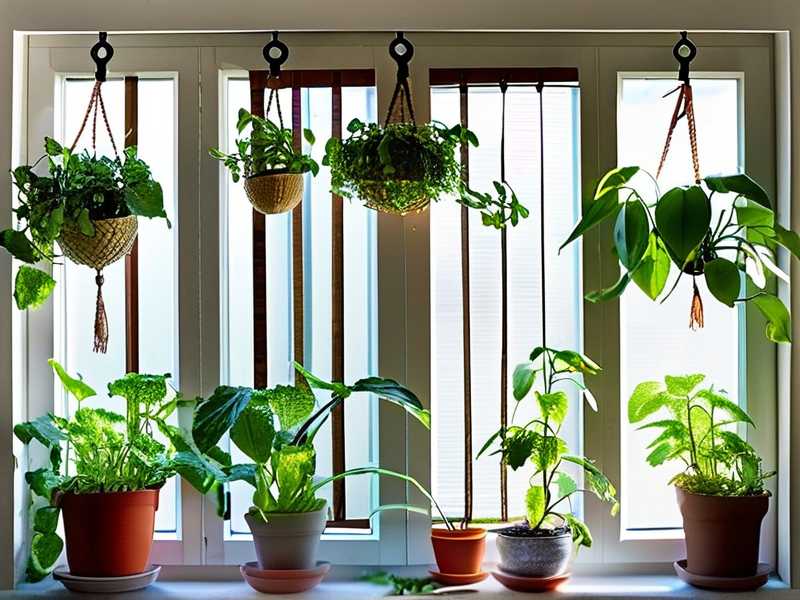
What I did instead was reuse an old set of window blinds. It took ten minutes and cost nothing. Here is exactly how I did it, what worked, and the mistakes I made along the way.
Why Spider Plants Struggle Outside Without Shade
Spider plants (Chlorophytum comosum) are not full-sun plants. They are understory plants. In their native South Africa, they grow under tree canopy where light filters through leaves.
When you move them outside for summer, that filtered light disappears. Direct afternoon sun will scorch the leaves in a single day. I learned this the hard way.
I put two established spider plants on my back patio in June. By day three, the leaves had bleached patches that turned brown and crispy. That was my first lesson. Spider plants need bright, indirect light. Outdoors, that means morning sun only, or dappled shade all day.
The Royal Horticultural Society recommends filtered light for these plants, which is why they do so well indoors near a bright window. Moving them outside requires recreating that same condition.
How Old Window Blinds Solved My Problem
I had a set of white vinyl mini-blinds sitting in my garage. They were from a bedroom window I replaced two years ago. I almost threw them out during spring cleaning. That would have been a mistake.
The slats on mini-blinds are perfect for making adjustable shade. You can open them for more light, close them for less. They are lightweight and easy to cut. And they are already white, which reflects heat instead of absorbing it.
Here is the exact setup I used. It is not fancy. You do not need power tools.
Step by Step: Turning Blinds Into Plant Shade
First, I measured the area where my spider plants would sit. I had three pots on a low bench against a south-facing wall. That wall got brutal sun from noon until about 5 p.m.
I wanted shade that started around 11 a.m. and lasted through the hottest part of the day. I did not need full blockage. Spider plants still want bright light, just not direct sun.
Second, I cut the blinds to width. My original blinds were 36 inches wide. I needed about 48 inches for all three pots. So I used two sets of blinds side by side.
I cut the cords at the bottom and removed the extra slats. I kept about 20 slats per section.
Third, I attached the blinds to a simple wooden frame. I used 1x2 inch lumber from my scrap pile. I built a rectangle roughly 48 inches wide and 30 inches tall.
I stapled the blind header to the top of the frame. Then I ran a small screw through the tilt mechanism so I could adjust the angle manually.
Fourth, I mounted the frame to the wall using two L-brackets. I positioned it so the bottom edge was about 18 inches above the plant pots. That let air move underneath.
Plain and simple. That is it. No drilling into the blinds themselves. No complicated pulley system.
What I Observed Over Two Weeks
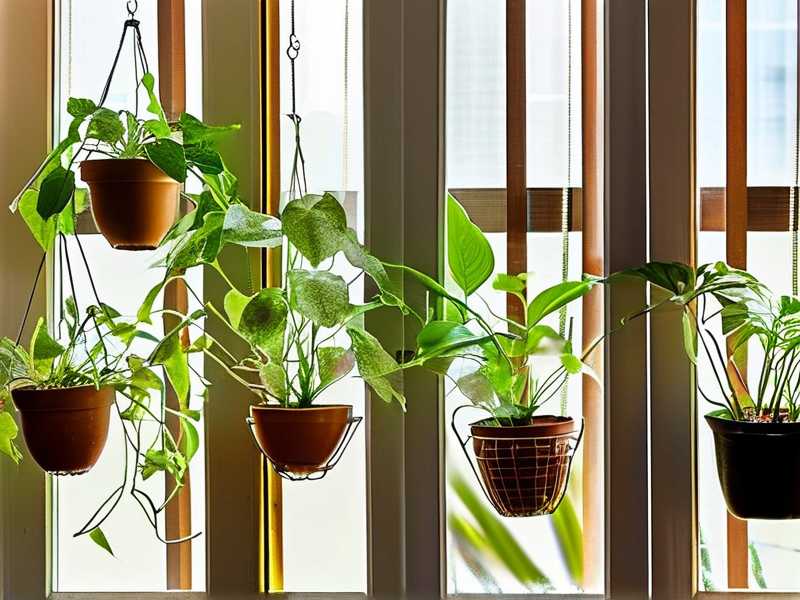
Week 1: The first three days were hot. Temperatures hit 92°F (33°C) in the afternoon. The blinds were tilted at about 45 degrees. That blocked direct overhead sun but let soft light bounce through.
My spider plants did not develop any new scorch marks. The existing damaged leaves stayed the same. No new browning. The soil stayed moist longer because the blinds also reduced evaporation from the pots.
By day five, I noticed something else. The spiderettes (the baby plants on runners) were starting to perk up. They had been slightly limp before I added shade. Now they were firm again.
Week 2: I adjusted the blinds to nearly closed on two especially hot days. Temperatures hit 97°F (36°C). The plants looked fine. No wilting.
I also noticed that the white slats reflected heat away from the wall. The wall behind the plants was noticeably cooler to the touch than a nearby unshaded wall. That helped reduce radiant heat stress.
One thing I did not expect: the blinds collected dust and pollen. By day ten, I wiped them down with a damp cloth. It took two minutes. Not a big deal, but worth knowing.
Mistakes I Made Along the Way
My first attempt at attaching the blinds failed. I tried to hang them using only zip ties to a chain-link fence. The blinds flopped around in the wind. One slat bent. I had to start over.
Lesson learned: You need a rigid frame. Zip ties alone are not enough for anything taller than about a foot.
I also tried using the blinds horizontally like an awning. That worked until a thunderstorm rolled through. The wind caught the slats and ripped two of them out. If you live in a windy area, either secure the blinds tightly or bring them inside during storms.
Another mistake: I originally placed the blinds too low. The bottom edge was only six inches above the pots. That trapped heat and reduced airflow. Spider plants hate stagnant air almost as much as they hate soggy soil. Raising the frame fixed it.
The Three Mistakes That Kill Most Spider Plants (Indoors and Out)
I have made all three of these. More than once. Let me save you the trouble.
Mistake 1: Overwatering
This is the big one. 90% of indoor plants die from overwatering. That is not an exaggeration. It is the single most common cause of plant death in homes across the US, Canada, UK, and Australia.
Spider plants have thick, fleshy roots that store water. They do not want to be wet all the time. When you water too often, those roots rot. The plant collapses.
I used to water my spider plants every three days because the top of the soil looked dry. Big mistake. The top inch of soil can be bone dry while the bottom is still soaked. I was drowning the roots without knowing it.
Now I water only when the top two inches of soil are dry. In summer outdoors with shade, that is about every five to seven days. In winter indoors, every ten to fourteen days. Your climate will vary. Stick your finger in the soil. If it is damp, wait.
For outdoor plants in shaded conditions, you actually need less water than you think. The blinds reduce evaporation. The shaded soil stays moist longer. I made the mistake of watering on my old schedule during week one and one pot got soggy. I skipped the next watering entirely and it recovered.
Mistake 2: Wrong Light
Spider plants are adaptable, but they have limits. Direct sun burns them. Deep shade makes them leggy and pale.
I once put a spider plant in a north-facing window in a dark room. It survived but did not grow. The leaves turned a dull gray-green. No spiderettes. No new growth for months.
Outdoors, the same rule applies. Morning sun is fine. Afternoon sun is not. That is why the blinds work so well. You can adjust the slats to control exactly how much light gets through.
The American Horticultural Society notes that most houseplants, including spider plants, perform best with bright, indirect light. The keyword there is indirect. Outdoors, you have to create that condition yourself.
My advice: start with the blinds mostly closed. Then open them a little every few days. Watch the leaves. If they start to pale or burn, close them more. If growth slows and leaves darken, open them more.
Mistake 3: Wrong Pot
I have used everything from yogurt containers to cracked ceramic pots. Most of them were wrong.
The biggest issue is drainage. Spider plants hate sitting in water. If your pot has no drainage holes, you are asking for root rot. Period.
I killed a beautiful variegated spider plant because I put it in a decorative pot without holes. I thought I could be careful with watering. I was not careful enough. The roots turned to mush in three weeks.
Use pots with drainage holes. Always. Terracotta is great because it breathes and wicks moisture away from the soil. Plastic nursery pots work too, but they hold water longer. If you use plastic, water less often.
For outdoor use, I now use terracotta or fabric grow bags. Both dry out faster than glazed ceramic. That is a good thing for spider plants.
Also, do not oversize the pot. A spider plant in a pot that is too large will sit in wet soil for too long. The roots cannot drink up all that moisture. Size up gradually, only when the roots are crowded.
Other Ways to Reuse Old Blinds for Garden Shade
The mini-blind frame is just one option. I have tried a few other setups.
For a quick and dirty solution, you can lean a set of blinds against a fence or wall at an angle. It looks messy, but it works. I did this for a week before I built the frame.
You can also cut individual slats and weave them into a shade cloth. I have not tried this myself, but a gardening friend in Arizona does it every summer. She says it takes about an hour for a 4x6 foot section.
Another option: use vertical blinds instead of horizontal ones. Vertical blinds are wider and can be hung from a porch beam. You just rotate them to control light direction. I have not tested this personally, but it seems like it would work well for a patio.
If you do not have old blinds, ask around. Neighbors, family, thrift stores, and Buy Nothing groups often have sets sitting unused. People replace blinds all the time. They usually end up in landfills. Reusing them for garden shade keeps them out of the waste stream for a few more years.
Adjusting Your Setup for Different Climates
I live in a region with hot, dry summers. If you are in the UK or Pacific Northwest, your summers are milder. You might not need as much shade.
In the UK, spider plants can often go outside in summer with just a sheer curtain or a spot under a tree. The sun is less intense. But heat waves are becoming more common. A set of blinds gives you flexibility.
In Australia, the sun is brutal. You will want the blinds nearly closed during the day. In Canada, summer sun varies by region. Southern Ontario gets intense afternoon sun. Coastal BC is milder.
The beauty of adjustable blinds is that you can respond to conditions day by day. That is harder to do with shade cloth or a fixed awning.
A Few Extra Tips From My Experience
Keep the blinds clean. Dust and pollen reduce light transmission unevenly. A quick wipe every couple of weeks keeps things consistent.
Check the cords and tilt mechanism. Old blinds can have brittle cords. If a cord snaps, the slats will bunch up. You can still use them, but it is annoying.
Bring the setup inside before winter. Vinyl blinds get brittle in cold weather. They will crack if you leave them outside through freezing temperatures.
Pair the blinds with mulch. A layer of mulch on top of the soil helps retain moisture and keeps roots cool. I use about an inch of shredded bark.
Do not forget airflow. Spider plants need moving air to prevent fungal issues. The blinds should not create a sealed box. Leave gaps on the sides.
Final Thoughts and Common Questions
Reusing old window blinds as temporary shade for outdoor spider plants is one of those simple solutions that actually works. It costs nothing, takes minimal effort, and gives you precise control over light.
Plus, it keeps useful materials out of the trash. That matters to me. I would rather repurpose something than buy another plastic gadget.
If you try this, start conservative. More shade is safer than less when you first move plants outside. You can always open the slats. You cannot undo a sunburned leaf.
Here are three questions I get asked a lot about this setup.
Can I use metal blinds instead of vinyl?
Yes, but metal blinds get hot in direct sun. They can radiate heat down onto the plants. If you use metal, keep them a bit higher above the foliage. Vinyl or wood blinds stay cooler.
How long can spider plants stay outside with this shade?
In my area, from late spring to early fall. I bring them in before the first frost. Spider plants are not frost-tolerant. Even a light frost will damage the leaves.
Do I need to change my watering schedule when I add shade?
Yes. Shade reduces evaporation. You will likely water less often than you did in full sun. Check the soil before watering. If it is still damp two inches down, wait another day or two. Your plants will thank you.
I have been using this blind setup for three summers now. The same blinds. The same spider plants. They are thriving. The mother plant has produced more spiderettes than I know what to do with. I have given away at least fifteen babies to neighbors.
That is the real test. Not just survival. Growth. And this setup delivers both.





